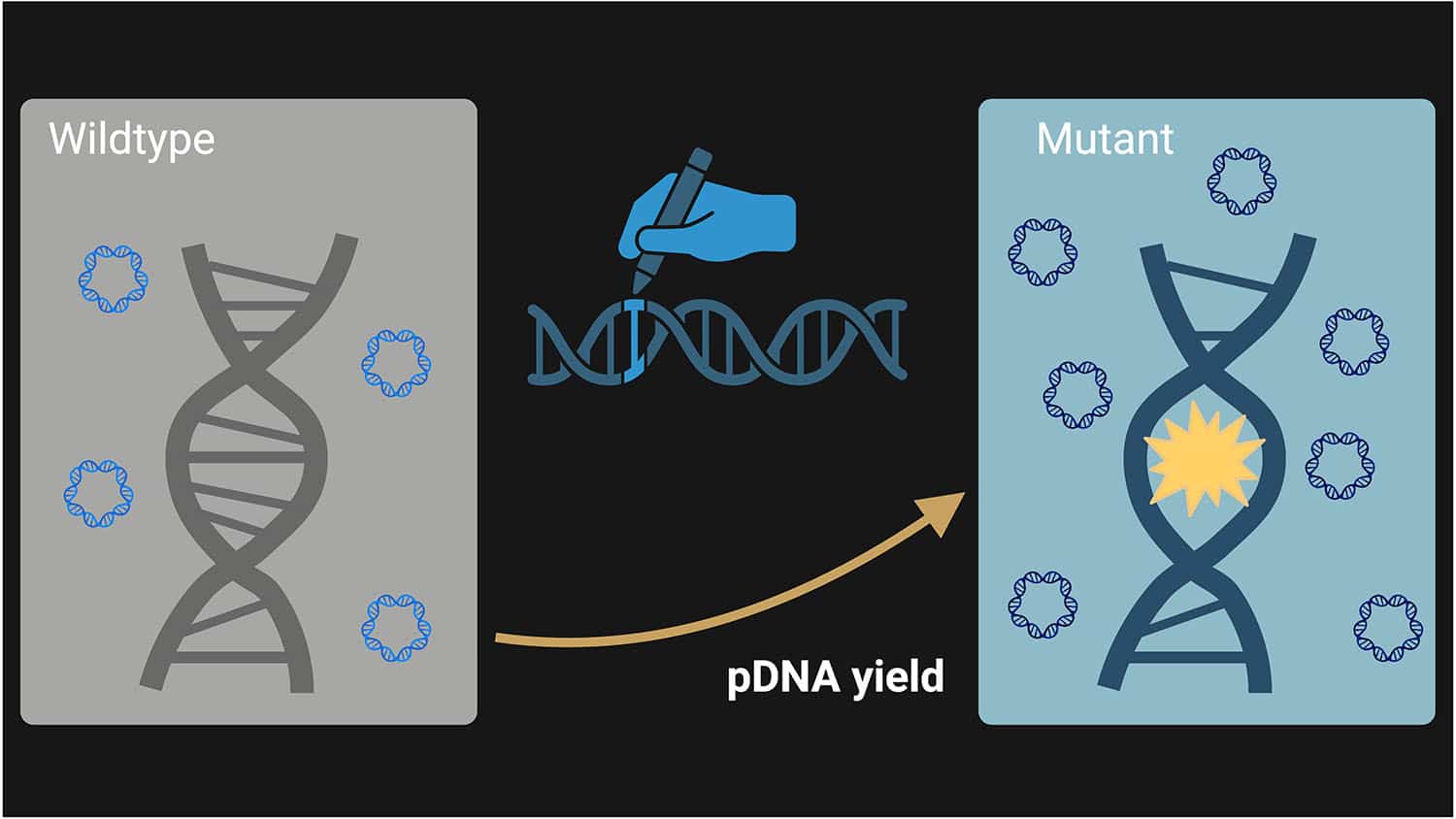
2025-08-13 カリフォルニア大学サンディエゴ校(UCSD)
 The new computational method the team developed does not require specialized instrumentation and offers a range of additional benefits.
<関連情報>
- https://today.ucsd.edu/story/a-new-way-to-study-omega-fatty-acids
- https://www.nature.com/articles/s41467-025-61911-x#Ack1
複雑な脂質中の各脂肪酸C=C位置をルーチンLC-MS/MS脂質組学により計算機的に同定する Computationally unmasking each fatty acyl C=C position in complex lipids by routine LC-MS/MS lipidomics
Leonida M. Lamp,Gosia M. Murawska,Joseph P. Argus,Aaron M. Armando,Radu A. Talmazan,Marlene Pühringer,Evelyn Rampler,Oswald Quehenberger,Edward A. Dennis & Jürgen Hartler
Nature Communications Published11: August 2025
DOI:https://doi.org/10.1038/s41467-025-61911-x
Abstract
Identifying carbon-carbon double bond (C=C) positions in complex lipids is essential for elucidating physiological and pathological processes. Currently, this is impossible in high-throughput analyses of native lipids without specialized instrumentation that compromises ion yields. Here, we demonstrate automated, chain-specific identification of C=C positions in complex lipids based on the retention time derived from routine reverse-phase chromatography tandem mass spectrometry (RPLC-MS/MS). We introduce LC=CL, a computational solution that utilizes a comprehensive database capturing the elution profile of more than 2400 complex lipid species identified in RAW264.7 macrophages, including 1145 newly reported compounds. Using machine learning, LC=CL provides precise and automated C=C position assignments, adaptable to any suitable chromatographic condition. To illustrate the power of LC=CL, we re-evaluated previously published data and discovered new C=C position-dependent specificity of cytosolic phospholipase A2 (cPLA2). Accordingly, C=C position information is now readily accessible for large-scale high-throughput studies with any MS/MS instrumentation and ion activation method.