
2025-06-16 カリフォルニア大学リバーサイド校 (UCR)
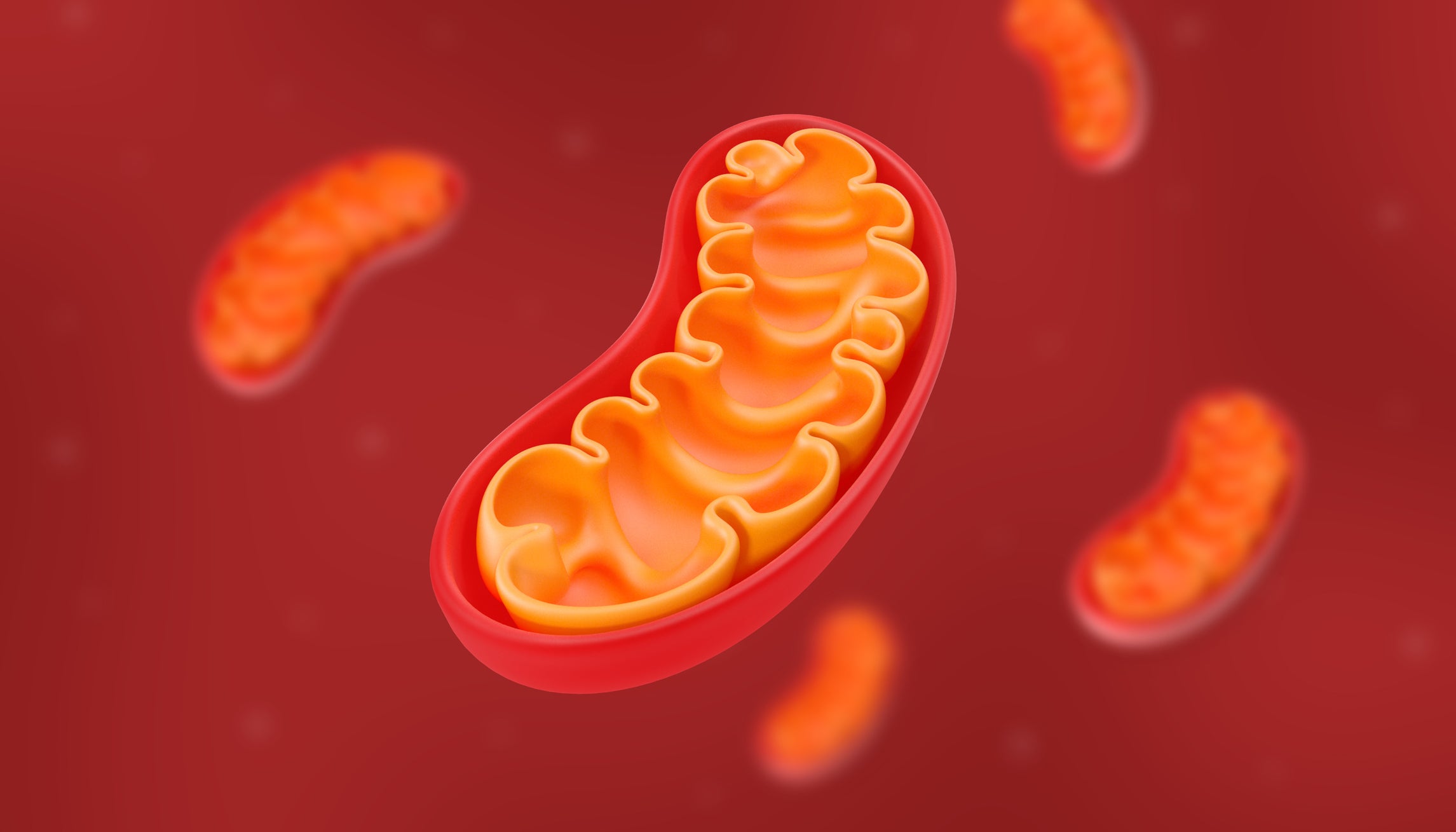 Mitochondria are the energy-producing organelles in a cell. (bymuratdeniz/iStock/Getty Images Plus)
<関連情報>
- https://news.ucr.edu/articles/2025/06/16/link-found-between-mitochondria-and-ms-brain-damage
- https://www.pnas.org/doi/10.1073/pnas.2421806122
進行性多発性硬化症および慢性EAEの脱髄小脳におけるミトコンドリア活性の低下がプルキンエ細胞の損失に寄与する Decreased mitochondrial activity in the demyelinating cerebellum of progressive multiple sclerosis and chronic EAE contributes to Purkinje cell loss
Kelley C. Atkinson, Shane Desfor, Micah Feri, +6 , and Seema K. Tiwari-Woodruff
Proceedings of the National Academy of Sciences Published:June 16, 2025
DOI:https://doi.org/10.1073/pnas.2421806122
Significance
Cerebellar dysfunction in multiple sclerosis (MS) contributes to motor impairment, yet the underlying mechanisms remain unclear. This study demonstrates that mitochondrial dysfunction, linked to inflammatory demyelination, plays a critical role in Purkinje cell loss and axon degeneration in both human MS and the mouse model, experimental autoimmune encephalomyelitis (EAE). The observed reductions in mitochondrial complex IV activity, altered mitochondrial structure, and impaired respiration highlight mitochondrial dysfunction as a key contributor to cerebellar pathology. These findings establish late-stage EAE as a relevant model for MS-related cerebellar degeneration and suggest that targeting mitochondrial function could offer a therapeutic strategy for MS.
Abstract
In multiple sclerosis (MS), cerebellar gray matter atrophy, white matter demyelination, and Purkinje cell (PC) loss have been linked to tremors, impaired motor control, and loss of coordination. Similar pathologies have been observed in the mouse model of MS, experimental autoimmune encephalomyelitis (EAE). This study hypothesized that inflammatory demyelination of the cerebellum alters overall mitochondrial function and is a contributor to axon degeneration and PC loss. Postmortem cerebellar tissue from MS patients, particularly those with secondary progressive MS, showed decreased mitochondrial complex IV (COXIV) activity and significant PC loss. Inflammation, PC axon demyelination, axon degeneration, and parallel fiber loss were also evident. These findings were mirrored in late-stage EAE mice, which also showed increased inflammation and demyelination, reduced PC COXIV activity, and overall PC loss. Further analysis of EAE mice revealed altered mitochondrial structure, modified mitochondrial respiration, and reduced levels of mitochondrial genes involved in energy production. These findings indicate that both human MS and mouse EAE share similar cerebellar changes linked to mitochondrial dysfunction. Thus, late-stage EAE is a valuable model for studying MS-related cerebellar pathology, and mitochondria may be a potential therapeutic target for MS treatment.
00126-9/asset/8169d0d3-5061-4502-98ed-3edc4db113f5/main.assets/gr1_lrg.jpg "2型糖尿病患者の摂食障害症状を改善する減量プログラム(Intensive weight loss programme can improve eating disorder symptoms in people with type 2 diabetes)")
