2025-09-17 中国科学院(CAS)
<関連情報>
- https://english.cas.cn/newsroom/research_news/life/202509/t20250917_1054975.shtml
- https://link.springer.com/article/10.1007/s12311-025-01902-2
報酬処理を調節する小脳刺激:高解像度経頭蓋直流刺激研究 Cerebellar Stimulation Modulates Reward Processing: A High-definition Transcranial Direct Current Stimulation Study
Xuan Wang,Jin-ting Yu,Ling-ling Wang,Jia Huang,Yi Wang,Simon S. Y. Lui & Raymond C. K. Chan
The Cerebellum Published:10 September 2025
DOI:https://doi.org/10.1007/s12311-025-01902-2
Abstract
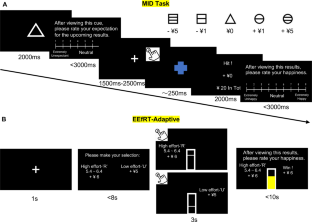
Reward processing involves several components, including reward anticipation, cost-effort computation, reward consumption, reward sensitivity, and reward learning. Recent research has highlighted the cerebellum’s role in reward processing. This study aimed to investigate the effects of cerebellar stimulation on reward processing using high-definition transcranial direct current stimulation (HD-tDCS). In this single-blind, randomized, sham-controlled study, 63 healthy adults received either active (N = 31) or sham (N = 32) 1.7 mA HD-tDCS targeting the right posterior cerebellum for 20 minutes. Reward processing was assessed before and after stimulation using the Monetary Incentive Delay (MID) Task, the Effort-Expenditure for Rewards (EEfRT-Adaptive) Task, and the Probabilistic Stimulus Selection Task (PST). Results showed that the active stimulation group preserved anticipatory and consummatory pleasure in response to high rewards in the MID task, whereas the sham group exhibited a decline in these measures from pre-test to post-test. The active stimulation group had enhanced reward sensitivity in the EEfRT-adaptive task. HD-tDCS appeared to influence the reward learning rate in the PST, although this effect was moderated by participants’ emotional state. Our study provides preliminary evidence that HD-tDCS targeting the cerebellum can effectively modulate multiple facets of reward processing. Cerebellar stimulation may have therapeutic potential for psychiatric patients with impaired reward processing.