
2025-11-19 カリフォルニア大学サンディエゴ校 (UCSD)

Phages attack and kill harmful bacteria and could be used to address the growing problem of deadly antibiotic-resistant infections. Photo credit: iStock
<関連情報>
- https://today.ucsd.edu/story/uc-san-diego-researchers-expand-virus-based-treatment-options-for-antibiotic-resistant-infections
- https://www.nature.com/articles/s41467-025-66062-7
実験的ファージ進化により抗生物質耐性肺炎桿菌分離株に対する宿主域が拡大 Experimental phage evolution results in expanded host ranges against antibiotic resistant Klebsiella pneumoniae isolates
Pooja Ghatbale,Alisha Blanc,Andrew Sue,Jesse Leonard,Monica Bates,Andrew G. Garcia,Joshua Hensley,Danielle Devequi Gomes Nunes,Nicole Hitchcock,Job Shiach,Roberto Bardaró,Govind Sah,Chandrabali Ghose,Katrine L. Whiteson,Robert T. Schooley,Richard Allen White III,Ana G. Cobián Güemes,Justin R. Meyer & David T. Pride
Nature Communications Published:19 November 2025
DOI:https://doi.org/10.1038/s41467-025-66062-7
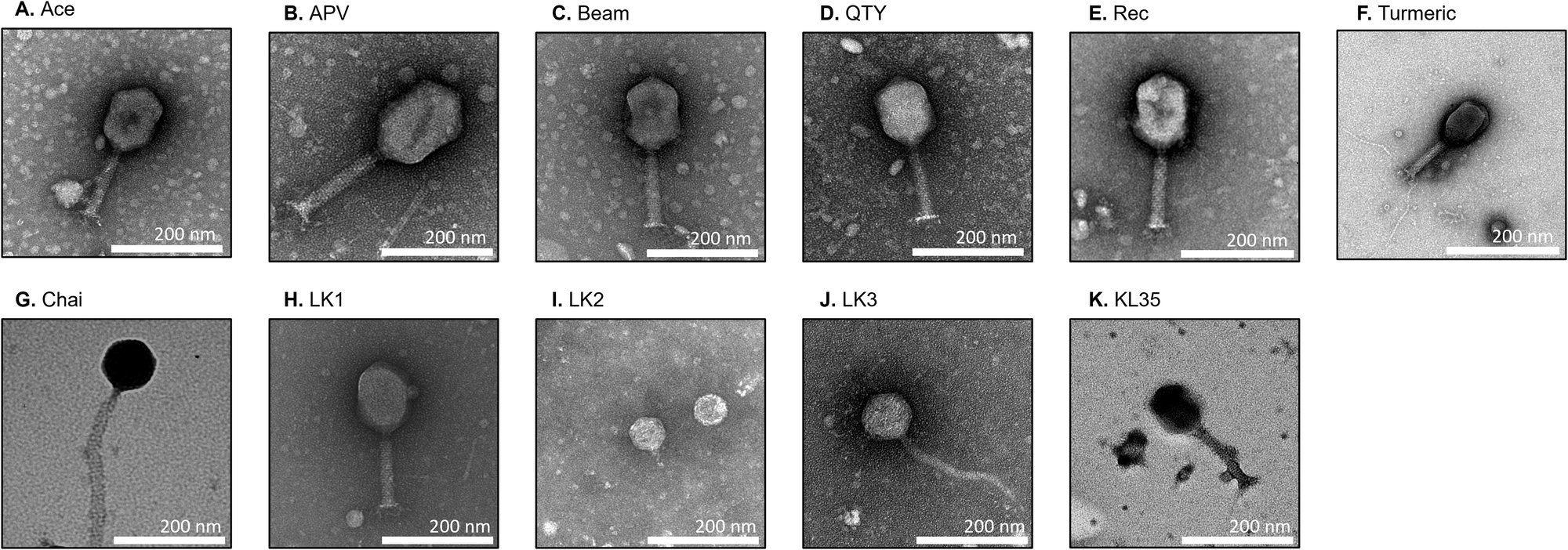
Abstract
Resistance to antibiotics is approaching crisis levels for organisms such as the ESKAPEE pathogens (includes Enterococcus faecium, Staphylococcus aureus, Klebsiella pneumoniae, Acinetobacter baumannii, Pseudomonas aeruginosa, Enterobacter spp., and Escherichia coli) that often are acquired in hospitals. These organisms sometimes have acquired plasmids that confer resistance to most if not all beta-lactam antibiotics. We have been developing alternative means for dealing with antibiotic resistant microbes that cause infections in humans by developing viruses (bacteriophages) that attack and kill them. One of these pathogens, K. pneumoniae, has one of the highest propensities for antimicrobial resistance. We identified many phages that have lytic capacity against limited numbers of clinical isolates, and through experimental evolution over the course of 30 days, were able to vastly expand the host ranges of these phages to kill a broader range of clinical K. pneumoniae isolates including MDR (multi-drug resistant) and XDR (extensively-drug resistant) isolates. Most interestingly, they were capable of inhibiting growth of clinical isolates both on solid and in liquid medium over extended periods. That we were able to extend the host ranges of multiple naïve antibiotic resistant K. pneumoniae through experimental phage evolution suggests that such a technique may be applicable to other antibiotic-resistant organisms to help stem the tide of antibiotic resistance and offer further options for medical treatments.

