2026-01-15 イェール大学
<関連情報>
- https://medicine.yale.edu/news-article/diagnosing-endometriosis-biomarkers-enable-early-noninvasive-detection/
- https://link.springer.com/article/10.1186/s12958-025-01502-z
血清マイクロRNAを思春期および若年成人の子宮内膜症のバイオマーカーとして特定する Identifying serum microRNAs as biomarkers for endometriosis in adolescents and young adults
Alla Vash-Margita,Ramanaiah Mamillapalli,Karthik Pyneni,Davis Morgenstern & Hugh S. Taylor
Reproductive Biology and Endocrinology Published:24 November 2025
DOI:https://doi.org/10.1186/s12958-025-01502-z
Abstract
Background
Endometriosis is a gynecological disorder that affects 190 million reproductive age women worldwide. Laparoscopic surgery is considered the gold standard to diagnose the disease, creating a barrier to diagnosis and leading to long delays in disease recognition. MicroRNAs may be useful in the diagnosis of this disease, however the ability to detect early disease in adolescents may be improved by identifying microRNAs specific to this population.
Methods
This was a prospective clinical study evaluating adolescent patients with pelvic pain undergoing gynecologic surgery in an academic medical center. We enrolled 63 adolescent and young adult patients aged 13–26 years old undergoing gynecologic surgery between 2019 and 2024. Clinically relevant phenotypic and surgical information were recorded as well as evaluation of microRNAs abundance. We assessed microRNAs abundance by extracting total RNA from the serum samples and performed RNA-sequencing (RNAseq).
Results
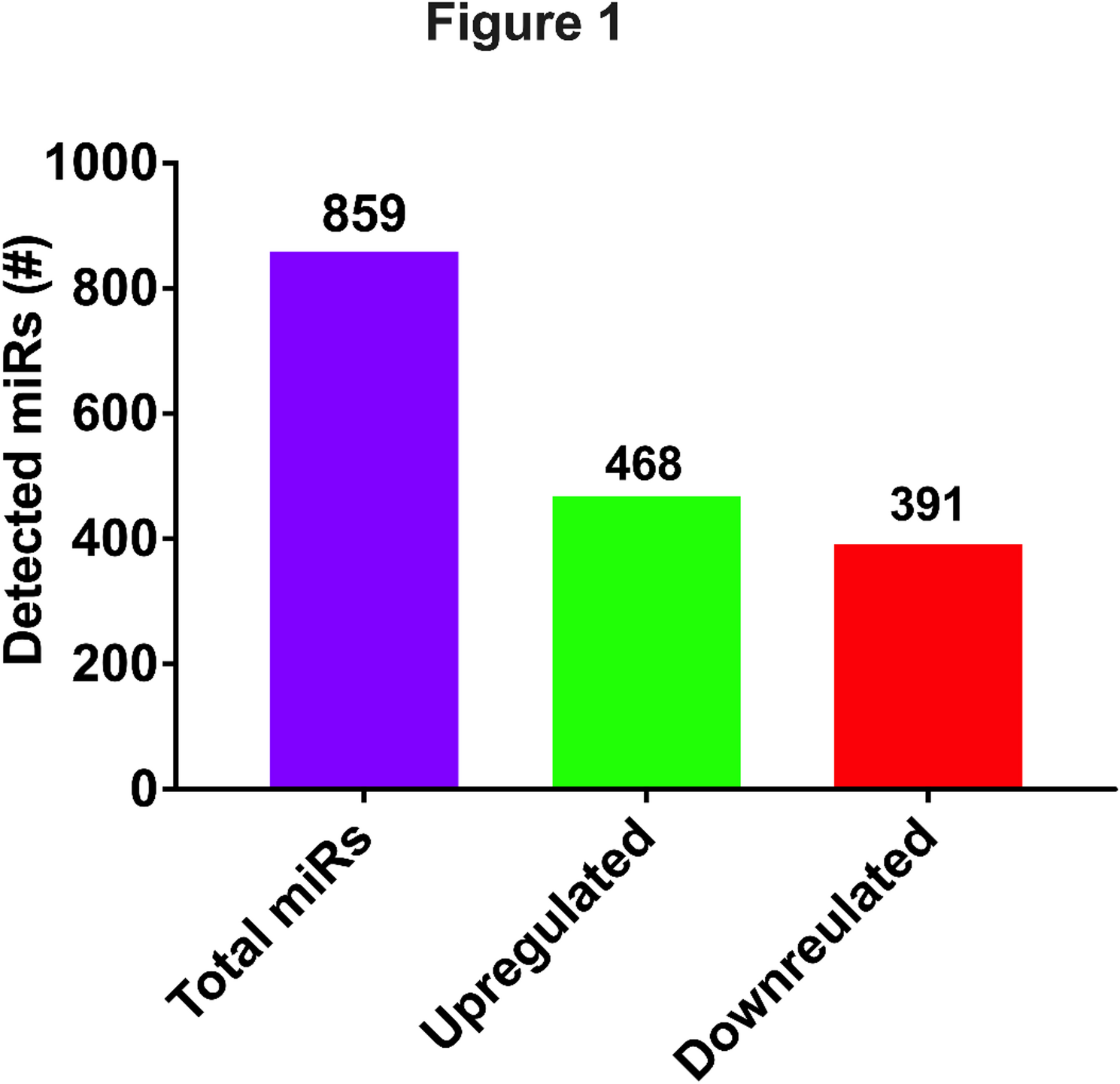
The mean age of adolescent women in the study was 16.3 and 15.9 for the endometriosis (n = 31) and control groups (n = 20), respectively. The mean BMI was 24.5 kg/m2 and 29.0 kg/m2 in the endometriosis and control groups, respectively. RNA-seq data analysis showed differential abundance of 859 microRNAs. Among 859 microRNAs, 488 were increased and 391 were decreased. We next selected those that were most distinct, with little overlap between subjects and controls. Four microRNAs were highly significantly increased while eighteen microRNAs were highly significantly decreased. We defined a signature of microRNAs that best distinguished subjects with endometriosis from controls.
Conclusions
This is the first study to reveal the differential abundance of microRNAs specifically in adolescent patients with endometriosis. There are distinct differences from those identified in adult women with endometriosis. Our findings present a unique signature of microRNA found in the serum of adolescents with endometriosis. This finding may be useful as a noninvasive biomarker to diagnose early disease in adolescents. Non-invasive diagnosis may allow for early diagnosis and prevention of disease progression.