2026-03-04 韓国基礎科学研究院(IBS)
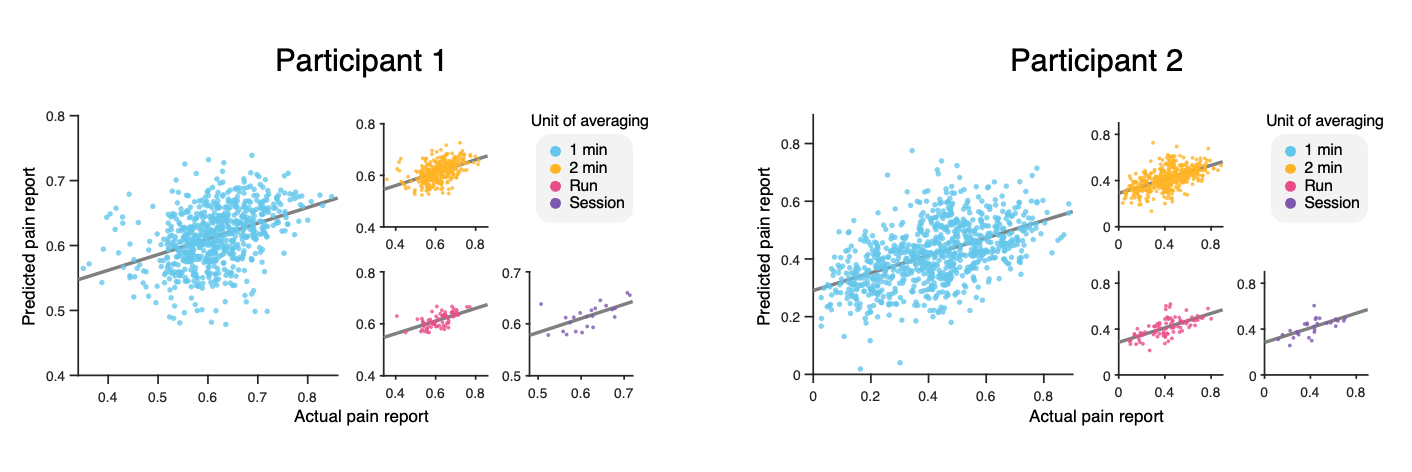
Figure 1. Pain intensity predicted by fMRI-based chronic pain marker
<関連情報>
- https://www.ibs.re.kr/cop/bbs/BBSMSTR_000000000738/selectBoardArticle.do?nttId=26558&pageIndex=1&searchCnd=&searchWrd=
- https://www.nature.com/articles/s41593-026-02221-3
慢性疼痛患者における自発痛の個別脳解読 Personalized brain decoding of spontaneous pain in individuals with chronic pain
Jae-Joong Lee,Seongwoo Jo,Sungkun Cho & Choong-Wan Woo
Nature Neuroscience Published:26 February 2026
DOI:https://doi.org/10.1038/s41593-026-02221-3
Abstract
Spontaneous pain is a hallmark of chronic pain disorders, but its assessment remains limited by the lack of objective biomarkers. Here we used precision functional magnetic resonance imaging data, collected over more than half a year from two individuals with chronic pain, to develop personalized brain-decoding models of spontaneous pain. The personalized decoding models accurately tracked fluctuations in spontaneous pain intensity across sessions, runs and minutes (Participant 1: prediction–outcome correlation, r = 0.40–0.61; Participant 2: r = 0.51–0.65) and effectively discriminated between median-dichotomized high- versus low-pain states (Participant 1: area under the curve = 0.71–0.87; Participant 2: area under the curve = 0.76–0.93). Model performance improved with increased training data, with conventional data quantities failing to achieve significant predictive accuracy. Furthermore, each model relied on individually unique brain features and did not generalize across participants. This study indicates that functional magnetic resonance imaging can assess spontaneous pain, highlighting the need for precise, patient-specific approaches.