2026-03-13 アリゾナ大学
<関連情報>
- https://news.arizona.edu/news/new-u-study-expands-pesticide-risk-window-pregnancy
- https://www.nature.com/articles/s41370-026-00849-8
妊娠前および妊娠中の農業用農薬への曝露に対する居住地の近接性とアプガースコアとの関連性(Az-PEAR研究(2006~2020年)) Residential proximity to agricultural pesticide exposures during preconception and pregnancy and associations with Apgar scores in the Az-PEAR study (2006–2020)
Audrey R. Yang,Kimberly L. Parra,Kimberly C. Paul,Edward J. Bedrick,Beate Ritz,Paloma I. Beamer & Melissa A. Furlong
Journal of Exposure Science & Environmental Epidemiology Published:13 March 2026
DOI:https://doi.org/10.1038/s41370-026-00849-8
Abstract
Background
Pesticide exposures disrupt biological functions in humans, raising concerns about potential effects on newborn health and development.
Objective
To analyze associations of preconception and prenatal exposures to carbamate, organophosphate, and pyrethroid pesticide classes and 25 individual active ingredients with newborn Apgar scores to evaluate the relationship between these exposures and neonatal health.
Methods
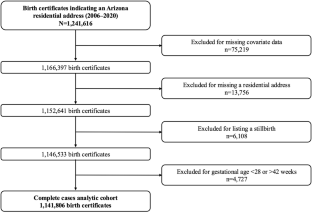
We used pesticide use registry and birth certificate data from 2006 to 2020, linked as part of the Arizona Pregnant Women’s Environmental and Reproductive Outcomes Study (Az-PEARS). Exposures were measured as binary variables and defined as living within 500 m of an agricultural pesticide application during preconception (T0, 90 days before conception) and each trimester (T1–T3). Five-minute Apgar scores (low: <8, high: ≥8) were analyzed using log-binomial regression and a meta-analytic approach to estimate adjusted odds ratios (aOR) and 95% confidence intervals (CI), adjusting for newborn and maternal demographics.
Results
Approximately half of the newborns were male, and the majority were born at ≥38 weeks of gestation. Mothers were predominantly 20–35 years old and non-Hispanic white. Exposure to several pesticide active ingredients at any point during preconception and/or pregnancy were associated with increased odds of low Apgar scores (aOR [95% CI]): the carbamates carbaryl (2.07 [1.45, 2.96]) and formetanate hydrochloride (3.50 [1.55, 7.89]); the organophosphates diazinon (1.67 [1.25, 2.22]) and tribufos (1.39 [1.02, 1.90]); and the pyrethroid cypermethrin (1.49 [1.03, 2.15]). Consistent effect estimates were seen across trimesters. Additional positive associations included ethephon, phorate, and beta-cyfluthrin during T0, methomyl during T1, and esfenvalerate and fenpropathrin during T2.
Significance
Prenatal exposure to certain carbamates, organophosphates, and pyrethroids had increased odds of low Apgar scores. We identified the preconception period as a possible sensitive exposure window for additional ingredients. These findings suggest that interventions aimed at mitigating maternal agricultural pesticide exposures may improve newborn health.
Impact
Few studies have investigated how ambient preconception and prenatal exposures to pesticide active ingredients affect neonatal health, despite the importance of studying sensitive windows of exposure. Using pesticide use registry and birth certificate data from the state of Arizona, we report that residential proximity to agricultural pesticide exposures of several pesticide active ingredients belonging to the carbamate, organophosphate, and pyrethroid classes during the preconception period and throughout pregnancy is associated with low Apgar scores. This research suggests that maternal pesticide exposures may adversely impact newborn health and emphasizes the importance of mitigating these exposures.