2026-01-20 ヒューストン大学(UH)
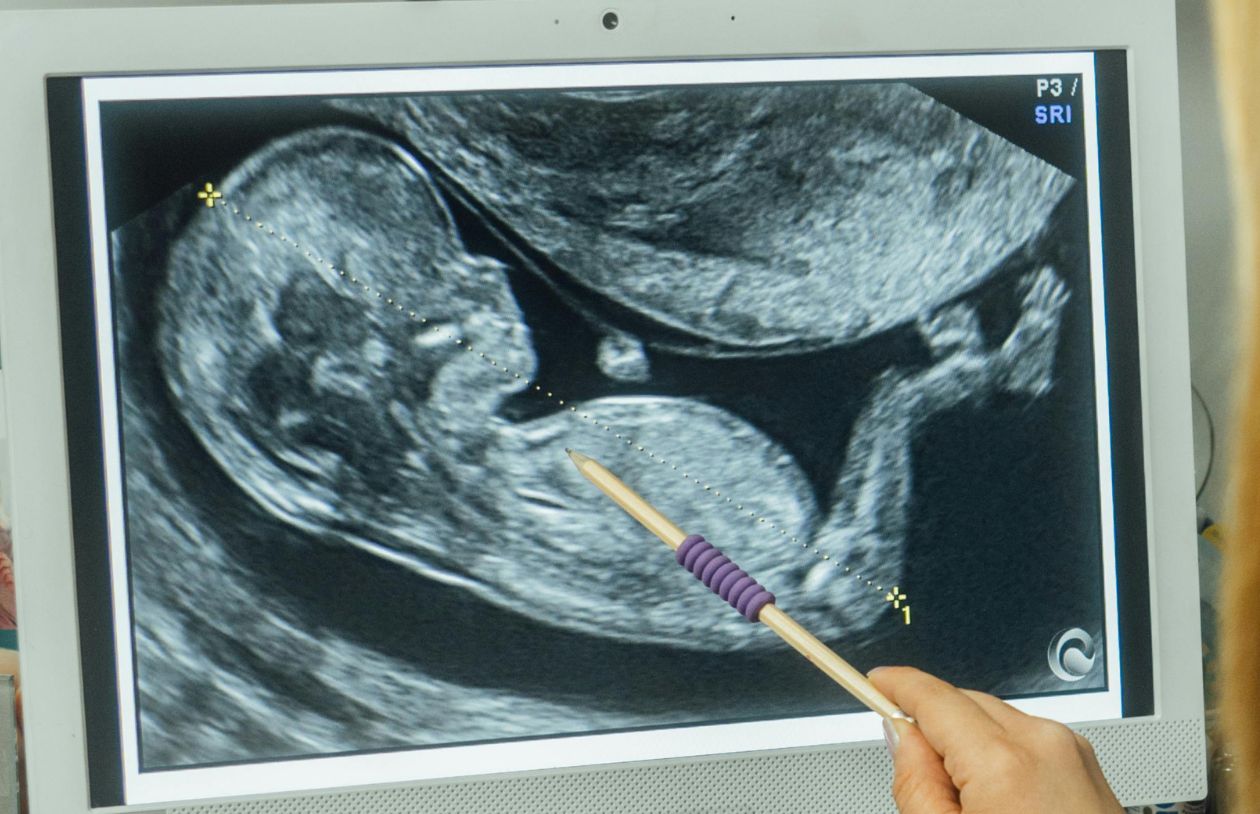
A new therapeutic approach, performed in utero, may prevent babies from being born with a spongy heart — a life-threatening disease which often causes the dire need for a heart transplant.
<関連情報>
- https://www.uh.edu/news-events/stories/2026/january/01202026-wu-spongy-heart-repair.php
- https://www.ahajournals.org/doi/10.1161/CIRCHEARTFAILURE.125.013210
- https://medibio.tiisys.com/128312/
NFP-FGFシグナル伝達を介した心外膜由来細胞の小柱への浸潤が心室緻密化を制御する Invasion of Epicardial-Derived Cells to the Trabeculae Mediated by NFPs-Fgf Signaling Regulates Ventricular Compaction
Anika Nusrat, PhD, Luqi Zhao, MD, Lianjie Miao, PhD, Shiyanth Thevasagayampillai, BS, Xi Lu, PhD, Aaranyah Kandasamy, BS, Md Areeful Haque, PhD, Preethi H. Gunaratne, PhD, Sylvia M. Evans, PhD, and Mingfu Wu, PhD
Circulation: Heart Failure Published 1 January 2026
DOI:https://doi.org/10.1161/CIRCHEARTFAILURE.125.013210
Abstract
BACKGROUND:
Left ventricular noncompaction cardiomyopathy (LVNC; OMIM No. 604169) is anatomically characterized by excess trabeculation and deep intertrabecular recesses. It is the third most prevalent pediatric cardiomyopathy. Despite its clinical significance, the pathogenesis of LVNC remains uncertain.
METHODS:
We examined Numb expression in epicardial cells (EpiCs) and epicardial-derived cells (EPDCs) using a mCherry::Numb knock-in mouse line; used Tbx18Cre/+ and inducible WT1CreERT2/+ to generate epicardium-specific Numb and Numblike double knockouts (epicardial Nb;Nl double knockout [EDKO]) and inducible EpiC-specific Nb;Nl knockout, respectively; monitored EpiCs/EPDCs invasion into the myocardium by lineage tracing; assessed LVNC defects via the ratio of noncompact to compact zone thickness/area; utilized single-nuclei mRNA sequencing and biochemical tools to determine the disrupted molecular mechanisms of EDKOs; and used pharmacological approaches to rescue defects in EDKOs. Cardiac structural and functional changes in adult stages were examined using echocardiography and histochemistry. Sample sizes ranged from 3 to 9 hearts across experiments.
RESULTS:
Numb is enriched in EpiCs and EPDCs. In EDKO hearts, EPDCs displayed abnormal differentiation, and their migration was arrested at the outer compact zone, resulting in the absence of EPDCs in the inner compact zone and trabeculae. The EDKO hearts displayed LVNC, and inducible EpiC-specific Nb;Nl knockouts (induced at embryonic day 10.5) recapitulated the defects. Single-nuclei mRNA sequencing revealed the upregulation of Fgfr1 (fibroblast growth factor receptor 1) in epicardium and the downregulation of Fgf (fibroblast growth factor) ligands in cardiomyocytes in EDKOs. Exogenous Fgf2 supplementation to pregnant females partially rescued epithelial-mesenchymal transition and compaction defects in EDKO hearts. Female EDKOs survived to adulthood and maintained LVNC.
CONCLUSIONS:
Ablation of NFPs (numb family proteins) in EpiCs disrupted the invasion and differentiation of EPDCs and the communication between cardiomyocytes and other cells, and caused LVNC. The epithelial-mesenchymal transition and compaction defects can be partially rescued by exogenous Fgf2 supplementation. Our findings highlight an essential role for the epicardial NFPs–Fgf/Fgfr axis in regulating ventricular compaction.