2026-01-29 カリフォルニア大学サンタバーバラ校(UCSB)
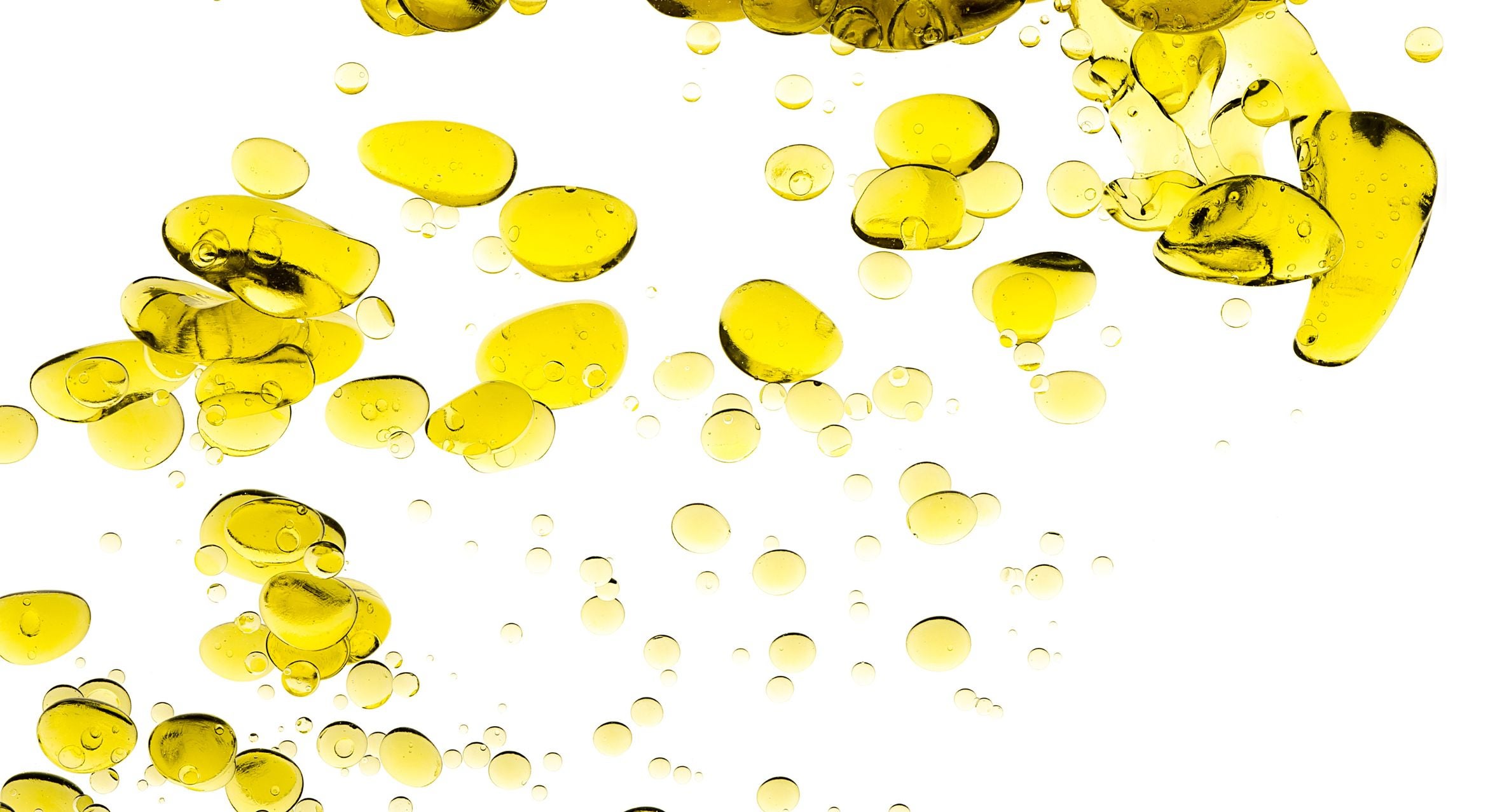
Small, naturally occurring droplets could have accelerated the development of early life.Photo Credit:Carther via iStock
<関連情報>
- https://news.ucsb.edu/2026/022352/electrifying-biology-bubble
- https://www.pnas.org/doi/10.1073/pnas.2521526122
コアセルベート内の酸化還元熱力学シフトの定量化 Quantification of redox thermodynamics shifts within coacervates
Gala Rodriguez, Nicholas B. Watkins, Xagros Faraji, +1 , and Lior Sepunaru
Proceedings of the National Academy of Sciences Published:November 14, 2025
DOI:https://doi.org/10.1073/pnas.2521526122
Significance
The earliest enzymes are thought to have formed through the assembly of macromolecules into disordered, secondary phases known as coacervates. While these phases are believed to have played a role in early catalysis, the underlying mechanisms remain poorly understood. Here, we use temperature-dependent electrochemistry to investigate how confinement within coacervates and the resulting increase in local charge concentration affect the reduction of ferricyanide to ferrocyanide. Our results show a decrease in reaction entropy within the coacervate environment, and Raman spectroscopy reveals an inverse relationship in stabilization energy between the reactant and product states. Together, we provide an analytical quantification of changes in reaction thermodynamics within coacervates and offer insights into the chemistry of early life.
Abstract
Coacervates are suggested to be viable protoenzymes due to their propensity to act as catalytic microreactors for biochemical reactions. However, the mechanism by which they alter reaction thermodynamics remains unclear. While extensive research has been conducted displaying the ability of coacervates to compartmentalize a wide variety of reactants, products, and catalysts, insight into how reactant, transition state, and product energies are altered within the droplet continues to be an active area of research. One promising strategy for investigating the thermodynamics and kinetics within the coacervate phase is temperature-dependent electrochemistry, which enables the extraction of reaction entropy, enthalpy, and Gibbs energy. In this work, we use ferri/ferrocyanide, a well-behaved redox couple that has been proposed to be an essential oxidizing agent in prebiotic Earth, to investigate the microenvironment created by the coacervation of poly-L-lysine and polyuridylic acid. We observe an oxidative shift upon partitioning into the coacervates, which temperature-dependent experiments reveal is due to a 40 J/mol K and an 8 kJ/mol increase in reaction entropy and enthalpy, respectively. We attribute the change in entropy to a highly structured water hydrogen-bonding network within the droplets and, subsequently, around the redox probe. Further, we reveal via in situ Raman measurements that the change in reaction enthalpy is due to the destabilization of the product, ferrocyanide, within the ionic coacervate phase.