2025-07-09 ノースウェスタン大学
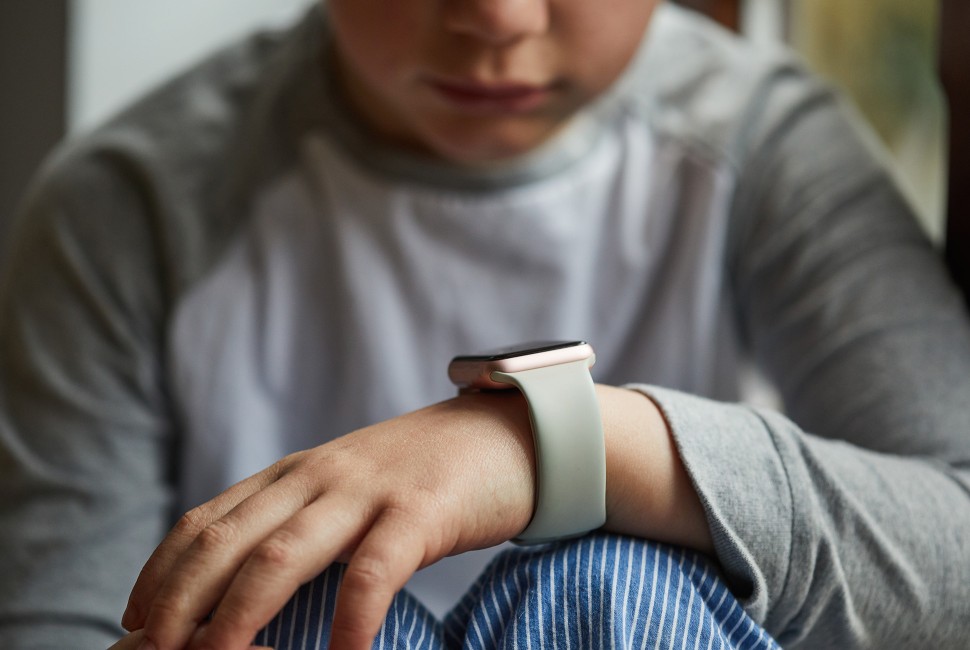
Scientists trained a smartwatch algorithm using metrics related to the circadian rhythms of a child’s activity and heart rate patterns to retrospectively predict postoperative complications. Getty Images
<関連情報>
- https://news.northwestern.edu/stories/2025/07/first-study-to-use-consumer-wearables-to-predict-pediatric-surgery-complications/
- https://www.science.org/doi/10.1126/sciadv.adv2643
消費者向けウェアラブルから得られるバイオリズムが小児の術後合併症を予測する Biorhythms derived from consumer wearables predict postoperative complications in children
Rui Hua, Michela Carter, Megan K. O’Brien, J. Benjamin Pitt, […] , and Arun Jayaraman
Science Advances Published:9 Jul 2025
DOI:https://doi.org/10.1126/sciadv.adv2643
Abstract
Postoperative complications pose substantial health risks to children who undergo surgery, yet timely detection of complications after discharge is challenging due to reliance on subjective symptom reports from children and caregivers. Alternatively, wearable devices can provide objective health measurements for continuous recovery monitoring, potentially enabling earlier complication detection in the hospital or community. This study examined biorhythm-based metrics (circadian and ultradian rhythms, derived from the daily activity and heart rate patterns recorded by a consumer wearable) and their relationship to postoperative recovery in children with and without complications. Wearables were given to 103 children for 21 days immediately after appendectomy, and biorhythm metrics were extracted from per-minute data. A machine-learned model using these metrics retrospectively predicted postoperative complications up to 3 days before formal diagnosis with 91% sensitivity and 74% specificity. Our findings suggest that wearable-derived biorhythms offer a promising, unobtrusive method for evaluating postoperative recovery. This approach has broad clinical implications for pediatric health monitoring across various care settings.