2025-08-29 マウントサイナイ医療システム(MSHS)
<関連情報>
- https://www.mountsinai.org/about/newsroom/2025/mount-sinai-duke-university-study-identifies-dna-variants-that-increase-testosterone-production-in-pcos-patients
- https://www.nature.com/articles/s41467-025-62884-7
多嚢胞性卵巣症候群に関連する遺伝子調節活性が明らかにしたDENND1A依存性テストステロン産生 Gene regulatory activity associated with polycystic ovary syndrome revealed DENND1A-dependent testosterone production
Laavanya Sankaranarayanan,Kelly J. Brewer,Shauna Morrow,Graham D. Johnson,Alejandro Barrera,Revathy Venukuttan,Ryan Sisk,Andrea Dunaif & Timothy E. Reddy
Nature Communications Published:18 August 2025
DOI:https://doi.org/10.1038/s41467-025-62884-7
Abstract
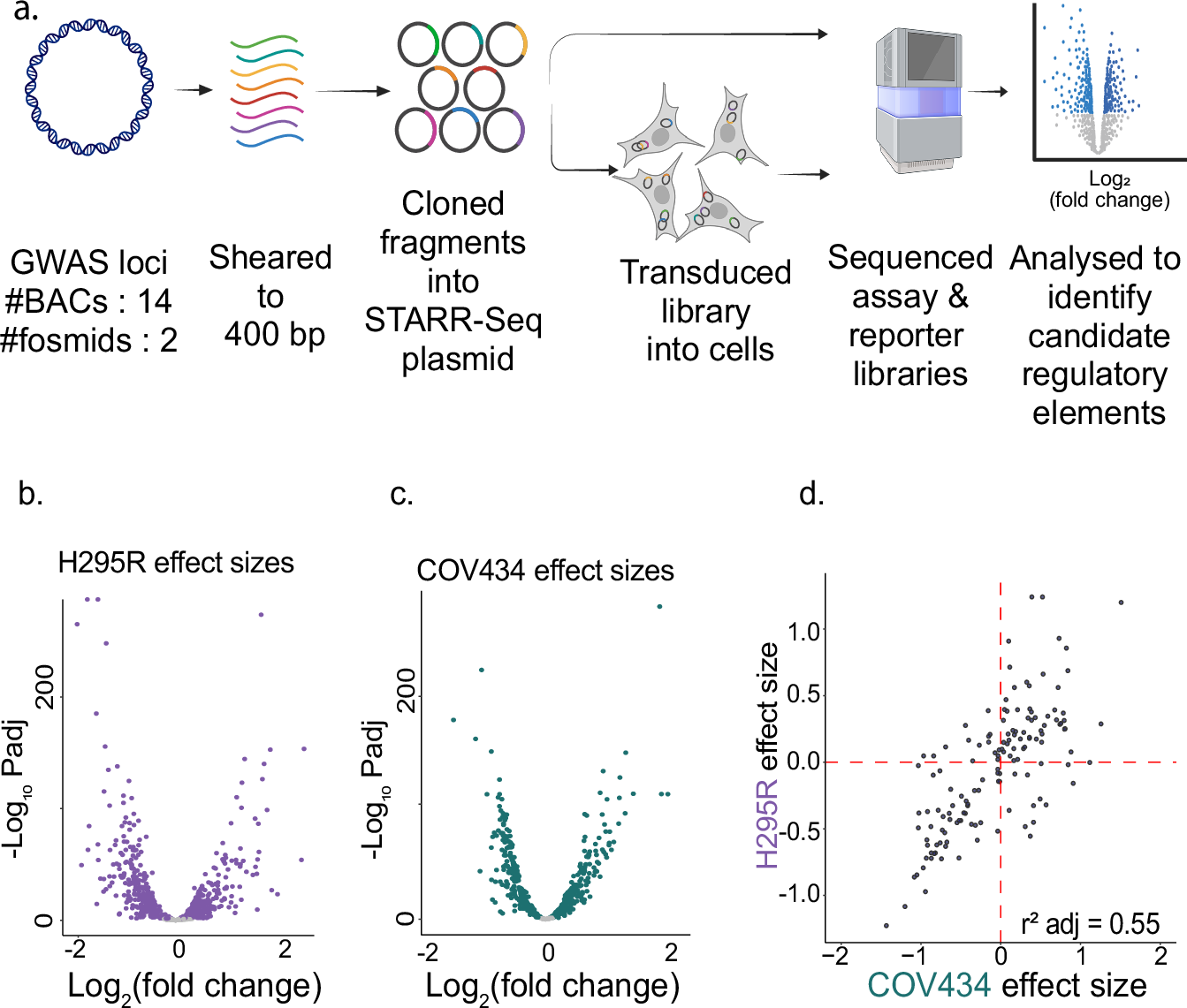
Polycystic ovary syndrome (PCOS) is among the most common disorders affecting up to 15% of the menstruating population globally. It is the leading cause of anovulatory infertility and a major risk factor for type 2 diabetes. Elevated testosterone levels are a core endophenotype. Despite that prevalence, the underlying causes remain unknown. PCOS genome-wide association studies (GWAS) have reproducibly mapped a number of susceptibility loci, including one encompassing a gene regulating androgen biosynthesis, DENND1A. Identifying the causal variants within these loci will provide fundamental insight into the precise biological pathways that are disrupted in PCOS. Here, we report the discovery of gene regulatory mechanisms that help explain genetic association with PCOS in the GATA4, FSHB and DENND1A loci using a combination of high throughput reporter assays, CRISPR-based epigenome editing, and genetic association analysis from PCOS case and control populations. In addition, we find that increasing endogenous DENND1A expression causes elevated testosterone levels in an adrenal cell model, specifically by perturbing candidate regulatory elements. These results further highlight the potential for combining genetic variant analyses with experimental approaches to fine map genetic associations with disease risk.