
2025-11-04 バース大学
<関連情報>
- https://www.bath.ac.uk/announcements/rotten-egg-gas-could-be-the-answer-to-treating-nail-infections-say-scientists/
- https://www.nature.com/articles/s41598-025-22062-7
硫化水素の爪病原菌に対する抗菌効果とメカニズム Antimicrobial effects and mechanisms of hydrogen sulphide against nail pathogens
Fritz Ka-Ho Ho,Alyaa Al-Tabtabai,Sara M. Nasereddin,Osamah S. Malallah,Mark A. Lindsay,Stuart A. Jones & Albert Bolhuis
Scientific Reports Published:31 October 2025
DOI:https://doi.org/10.1038/s41598-025-22062-7
Abstract
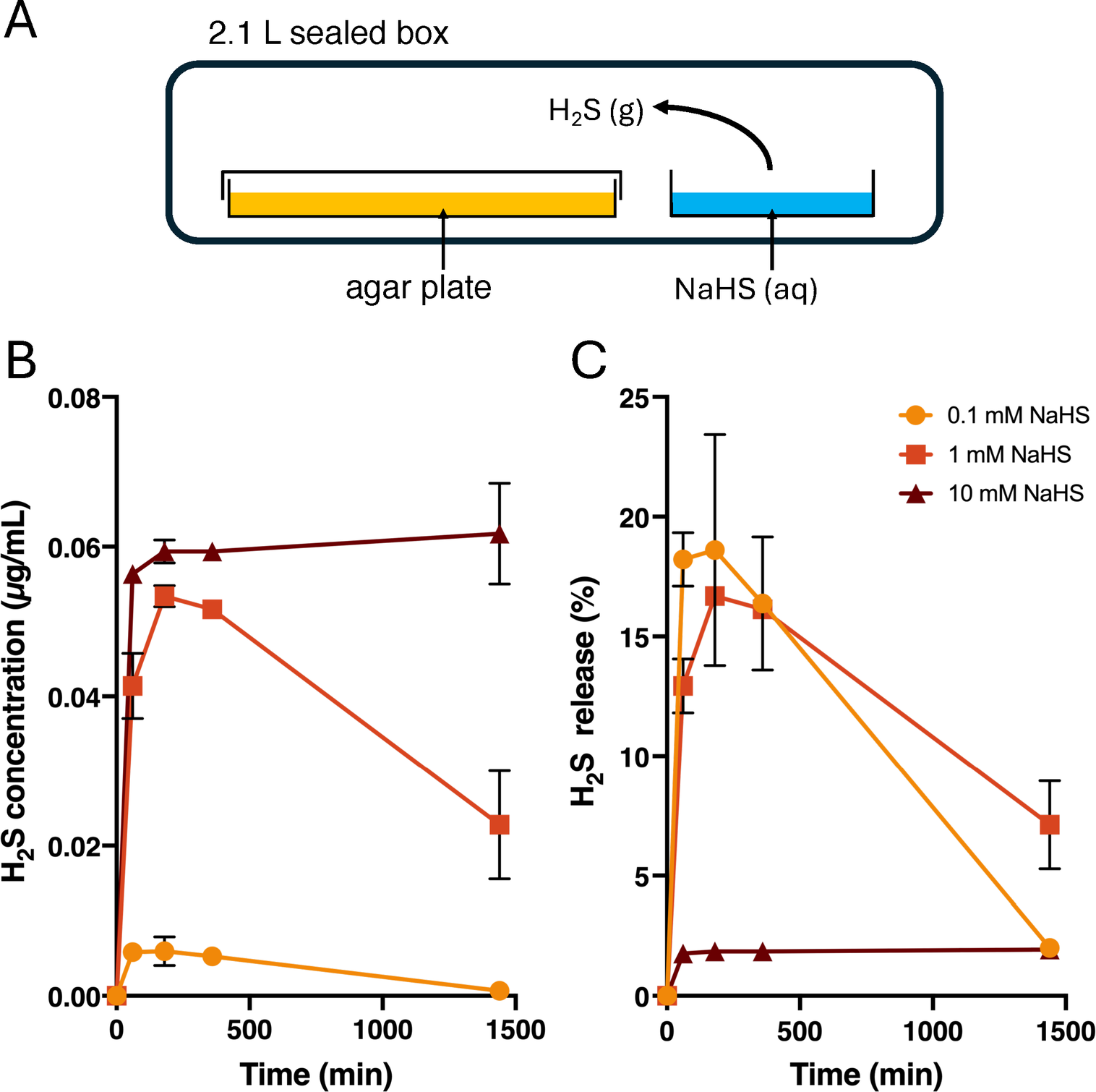
Nail infections are common but challenging to treat. Oral treatments can be effective but may cause adverse effects and drug interactions, while topical treatments only work in about a third of patients due to poor penetration of antifungals into the nail plate. Small polar molecules, such as hydrogen sulphide (H2S), penetrate readily into the nail plate, and previous studies have shown that H2S has antimicrobial properties. Using the donor sodium hydrogen sulphide (NaHS), we found that H2S has potent activity against causative agents of nail infections, including fungi and bacteria. The most active form appeared to be H2S, not the anion HS–, but this was most likely related to the faster cellular uptake of H2S. We showed that H2S inhibits cytochrome C oxidase (COX), a key respiratory enzyme, increases reactive oxygen species and protein S-sulfhydration. Transcriptomic analysis revealed a stress response, with 96 genes upregulated and 117 downregulated, indicating efforts to reduce oxidative stress. COX inhibition likely causes electron leakage, generating ROS and oxidising cysteine residues, which then react with H2S to form S-sulfhydrated proteins. This novel mechanism, along with the ability of H2S to penetrate the nail, suggests topical delivery of an H2S donor is a promising new treatment for onychomycosis.

