2025-11-20 カリフォルニア大学アーバイン校(UCI)
<関連情報>
- https://news.uci.edu/2025/11/20/from-harassment-to-healing/
- https://www.frontiersin.org/journals/psychology/articles/10.3389/fpsyg.2024.1422422/full
オンラインゲームにおけるヘイトスピーチとヘイトに基づく嫌がらせ
Hate speech and hate-based harassment in online games
Garrison Wells,Ágnes Romhányi,Constance Steinkuehler
Frontiers in Psychology Published:19 February 2025
DOI:https://doi.org/10.3389/fpsyg.2024.1422422
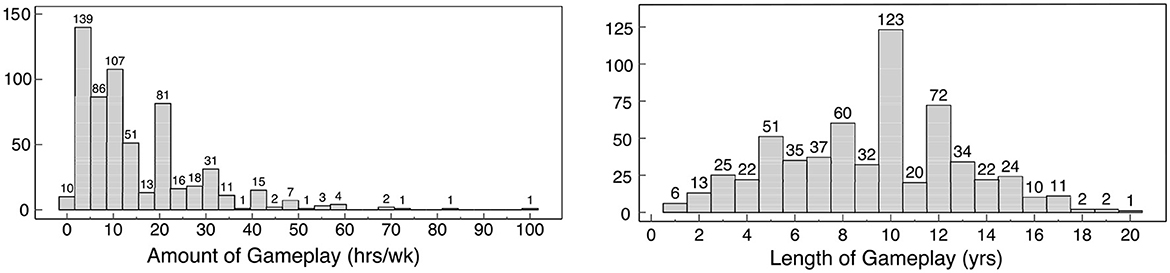
The proliferation of hate speech and hate-based harassment has become a worryingly common trend in online gaming spaces, with researchers fearing that it could lead to the normalization of hateful behaviors on such platforms. However, little research has been done assessing the frequency of such events and how players respond to their occurrence. In this study, we conduct a large-scale survey (n = 602) asking players to reflect on their experiences and responses to hateful conduct in online games. We examine their perspectives when faced with hate speech and harassment from the role of a bystander, a victim, or the perpetrator. We then compare these responses with various demographic factors and personality traits to determine which variables might predict such conduct to occur and persist over time. Our findings suggest that hate speech and harassment are more accepted by those who are not directly targeted, potentially leaving those players as the remaining few to continue inhabiting and shaping online gaming spaces over time.