2025-11-21 ミュンヘン大学(LMU)
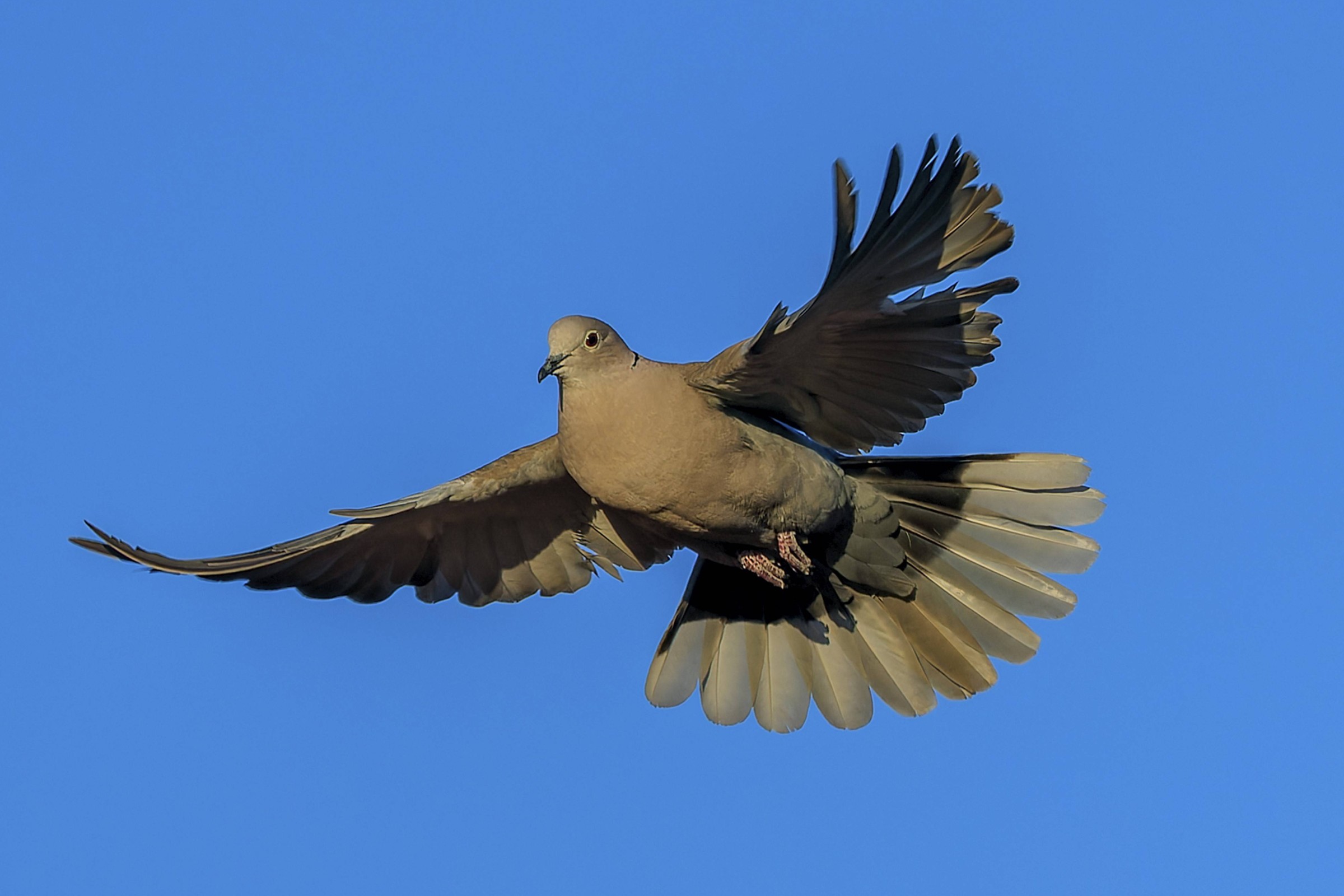
© IMAGO / imagebroker
<関連情報>
- https://www.lmu.de/en/newsroom/news-overview/news/an-electric-discovery-pigeons-detect-magnetic-fields-through-their-inner-ear.html
- https://www.science.org/doi/10.1126/science.aea6425
ハトの脳における磁気誘導神経活動の包括的スクリーニング A global screen for magnetically induced neuronal activity in the pigeon brain
Gregory C. Nordmann, Spencer D. Balay, Thamari N. Kapuruge, Marco Numi, […] , and David A. Keays
Science Published:20 Nov 2025 DOI:https://doi.org/10.1126/science.aea6425
Abstract
How animals detect the Earth’s magnetic field remains a mystery in sensory biology. Despite extensive behavioral evidence, the neural circuitry and molecular mechanisms responsible for magnetic sensing remain elusive. Adopting an unbiased approach we employ whole brain activity mapping, tissue clearing, and light sheet microscopy to identify neuronal populations activated by magnetic stimuli in the pigeon (Columba livia). We demonstrate robust, light-independent bilateral neuronal activation in the medial vestibular nuclei and the caudal mesopallium. Single-cell RNA sequencing of the semicircular cristae revealed specialized type II hair cells that express the molecular machinery necessary for the detection of magnetic stimuli by electromagnetic induction. Our data supports a model whereby electro-magnetic input from the semicircular canals activates a vestibular-mesopallial circuit within the pigeon brain.