2025-11-18 イェール大学

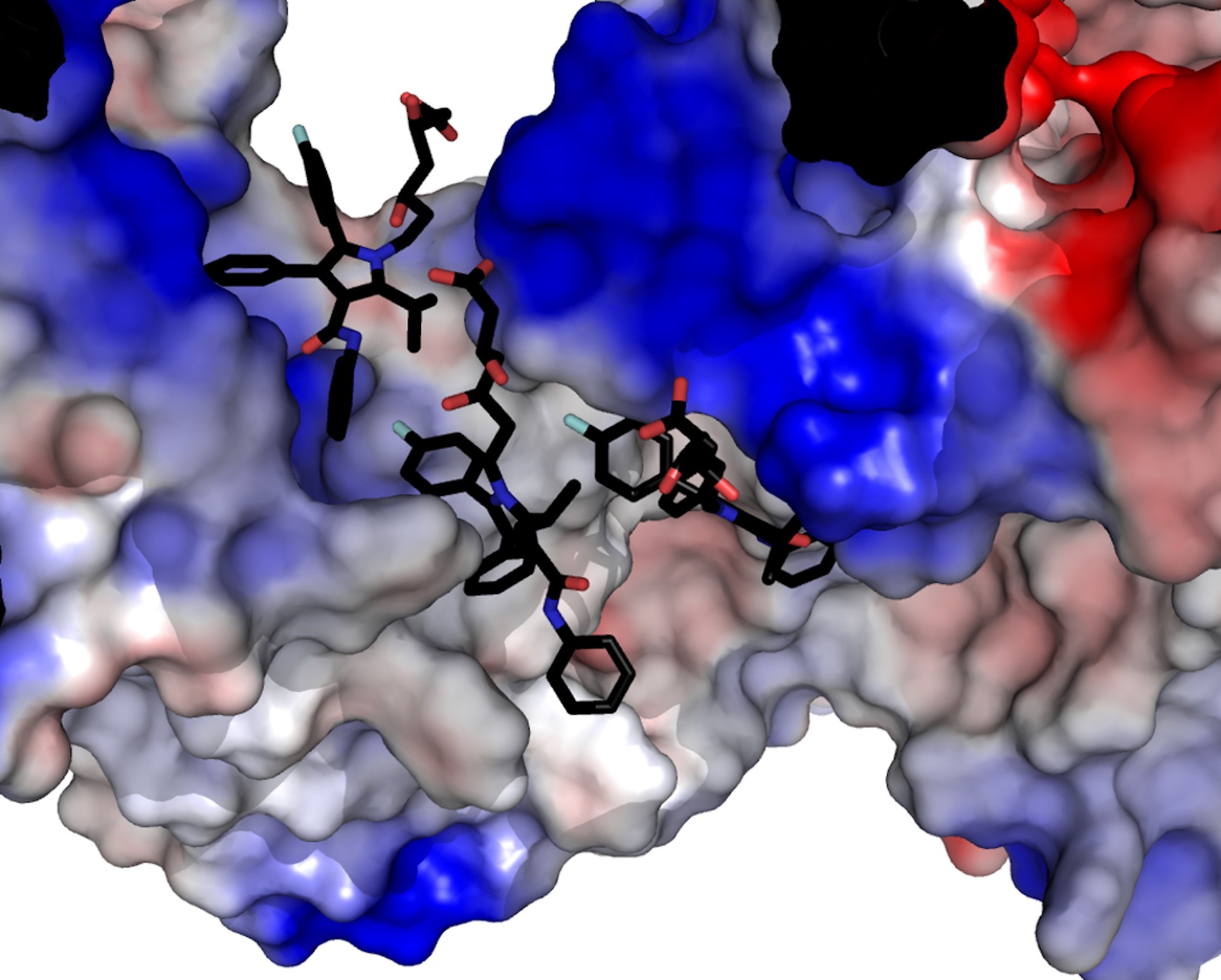
(Illustration by Michael S. Helfenbein)
<関連情報>
- https://news.yale.edu/2025/11/18/uncovering-hidden-cellular-connections-bridge-aging-and-disease
- https://www.pnas.org/doi/10.1073/pnas.2423469122
健康なドナーの組織学的画像に基づく機械学習モデルは、imageQTLを識別し、年齢を予測します Machine-learning models based on histological images from healthy donors identify imageQTLs and predict chronological age
Ran Meng, William Zhu, Christopher J. F. Cameron, +3 , and Mark B. Gerstein
Proceedings of the National Academy of Sciences Published:November 11, 2025
DOI:https://doi.org/10.1073/pnas.2423469122
Significance
This study establishes a comprehensive framework that links histological image features to genotype, transcriptome, and chronological age in large-scale healthy tissue datasets, providing valuable insights into tissue morphology. By identifying 906 significant, interpretable image quantitative trait loci (imageQTLs) and conducting differential expression analysis based on image features, we enhance understanding of genetic and morphological interactions. Additionally, we developed predictive models for both gene expression and chronological age from raw histological images, introducing an approach to studying age-related tissue-specific changes and presenting a model to demonstrate the predictability of age from histological images.
Abstract
Histological images offer a wealth of data. Mining these data holds significant potential for enhancing disease diagnosis and prognosis, though challenges remain, especially in noncancer contexts. In this study, we developed a statistical framework that links raw histological images and their derived features to the genotype, transcriptome, and chronological age of the samples. We first demonstrated an association between image features and genotypes, identifying 906 image quantitative trait loci (imageQTLs) significantly associated with image features. Next, we identified differentially expressed (DE) genes by stratifying samples into image-similar groups based on image features and performing DE comparisons between groups. Additionally, we developed a deep-learning model that accurately predicts gene expression in specific tissues from raw images and their features, highlighting gene sets associated with observed morphological changes. Finally, we constructed another deep-learning model to predict chronological age directly from raw images and their features, revealing relationships between age and tissue morphology, especially aspects derived from nucleus features. Both models are supported by a computational approach that greatly compresses gigapixel whole-slide images and extracts interpretable nucleus features, integrating both large-scale tissue morphology and smaller local structures. We have made all interpretable nucleus features, imageQTLs, DE genes, and deep-learning models available as online resources for further research.