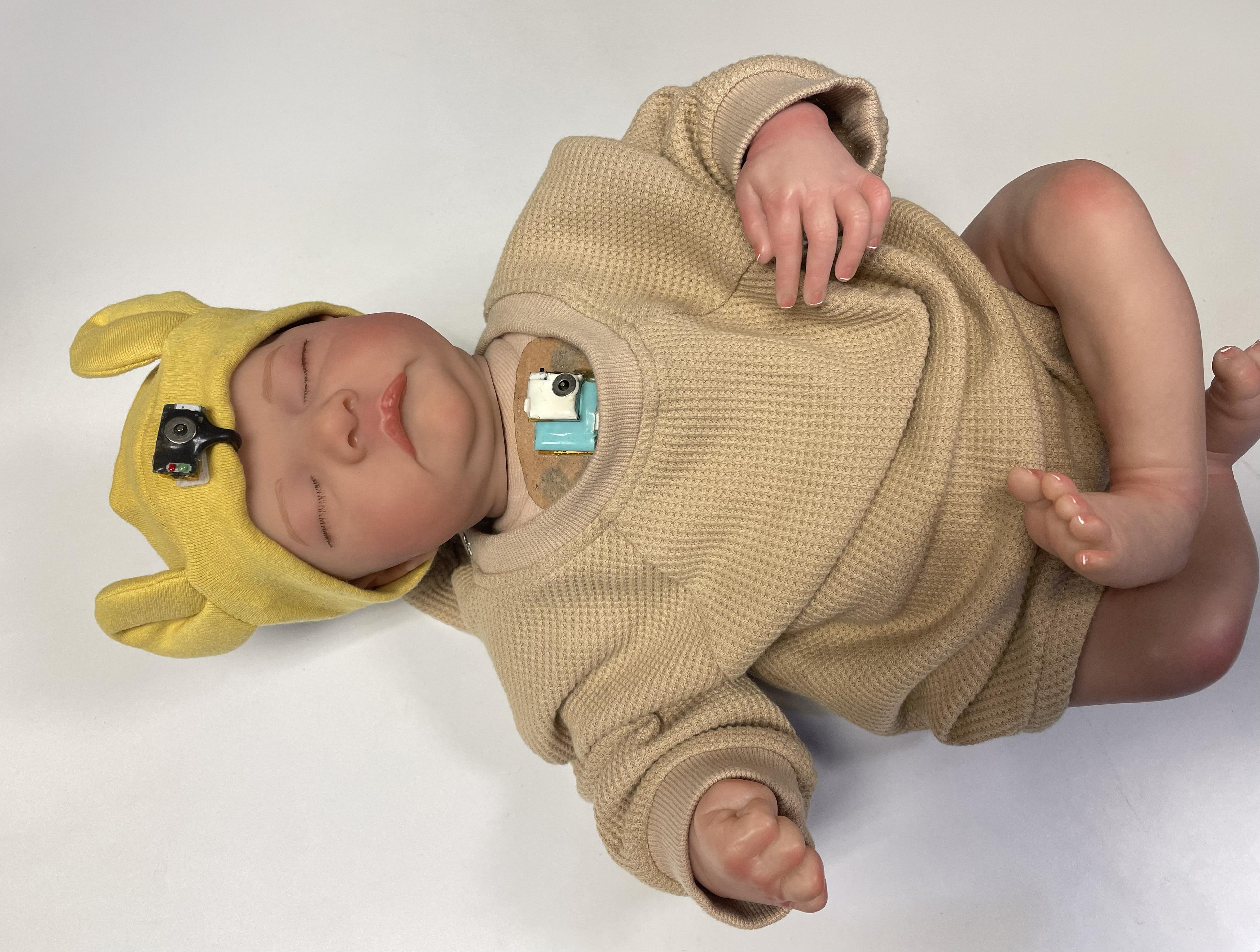
2025-12-10 マサチューセッツ大学アマースト校
<関連情報>
- https://www.umass.edu/news/article/umass-amherst-study-will-seek-interventions-help-older-adults-maintain-mobility
- https://www.sciencedirect.com/science/article/pii/S0531556523000232?via%3Dihub
加齢に伴う歩行バイオメカニクスの変化と歩行の代謝コストへの影響:国立老化研究所ワークショップの報告 Age-related changes in gait biomechanics and their impact on the metabolic cost of walking: Report from a National Institute on Aging workshop
Katherine A. Boyer, Kate L. Hayes, Brian R. Umberger, Peter Gabriel Adamczyk, Jonathan F. Bean, Jennifer S. Brach, Brian C. Clark, David J. Clark, Luigi Ferrucci, James Finley, Jason R. Franz, Yvonne M. Golightly, Tibor Hortobágyi, Sandra Hunter, Marco Narici, Barbara Nicklas, Thomas Roberts, Gregory Sawicki, Eleanor Simonsick, Jane A. Kent
Experimental Gerontology Available online: 21 January 2023
DOI:https://doi.org/10.1016/j.exger.2023.112102

Highlights
- Altered gait, reduced mobility and an accompanying increase in the energy cost of walking are important problems in aging.
- Knowledge of the causes, impacts, and therapeutic interventions for resolving challenges to mobility in aging is incomplete.
- Effective solutions to this problem will require multi-disciplinary, inclusive and innovative research designs.
- The report highlights tools, concepts and study designs that address current limitations to our understanding of the problem.
Abstract
Changes in old age that contribute to the complex issue of an increased metabolic cost of walking (mass-specific energy cost per unit distance traveled) in older adults appear to center at least in part on changes in gait biomechanics. However, age-related changes in energy metabolism, neuromuscular function and connective tissue properties also likely contribute to this problem, of which the consequences are poor mobility and increased risk of inactivity-related disease and disability. The U.S. National Institute on Aging convened a workshop in September 2021 with an interdisciplinary group of scientists to address the gaps in research related to the mechanisms and consequences of changes in mobility in old age. The goal of the workshop was to identify promising ways to move the field forward toward improving gait performance, decreasing energy cost, and enhancing mobility for older adults. This report summarizes the workshop and brings multidisciplinary insight into the known and potential causes and consequences of age-related changes in gait biomechanics. We highlight how gait mechanics and energy cost change with aging, the potential neuromuscular mechanisms and role of connective tissue in these changes, and cutting-edge interventions and technologies that may be used to measure and improve gait and mobility in older adults. Key gaps in the literature that warrant targeted research in the future are identified and discussed.