2026-01-13 カリフォルニア大学リバーサイド校(UCR)
<関連情報>
- https://news.ucr.edu/articles/2026/01/13/getting-grip-aging
- https://www.frontiersin.org/journals/neuroscience/articles/10.3389/fnins.2025.1697908/full
コネクトームに基づく握力予測モデル:身体的虚弱性のマーカー
Connectome-based predictive modeling of grip strength: a marker of physical frailty
Amin Ghaffari,Majd Abouzaki,Yasmine Romero,Andrew Sun,Aaron Seitz,Jason Langley,lana J. Bennett,Xiaoping Hu
Frontiers in Neuroscience Published:04 December 2025
DOI:https://doi.org/10.3389/fnins.2025.1697908
Introduction: Frailty is characterized by a persistent and progressive decline in functional capacity, leading to increased vulnerability to stressors and a heightened risk of adverse health outcomes, both physically and mentally. Despite frailty’s prevalence in older adults, there is limited research on its neural substrates.
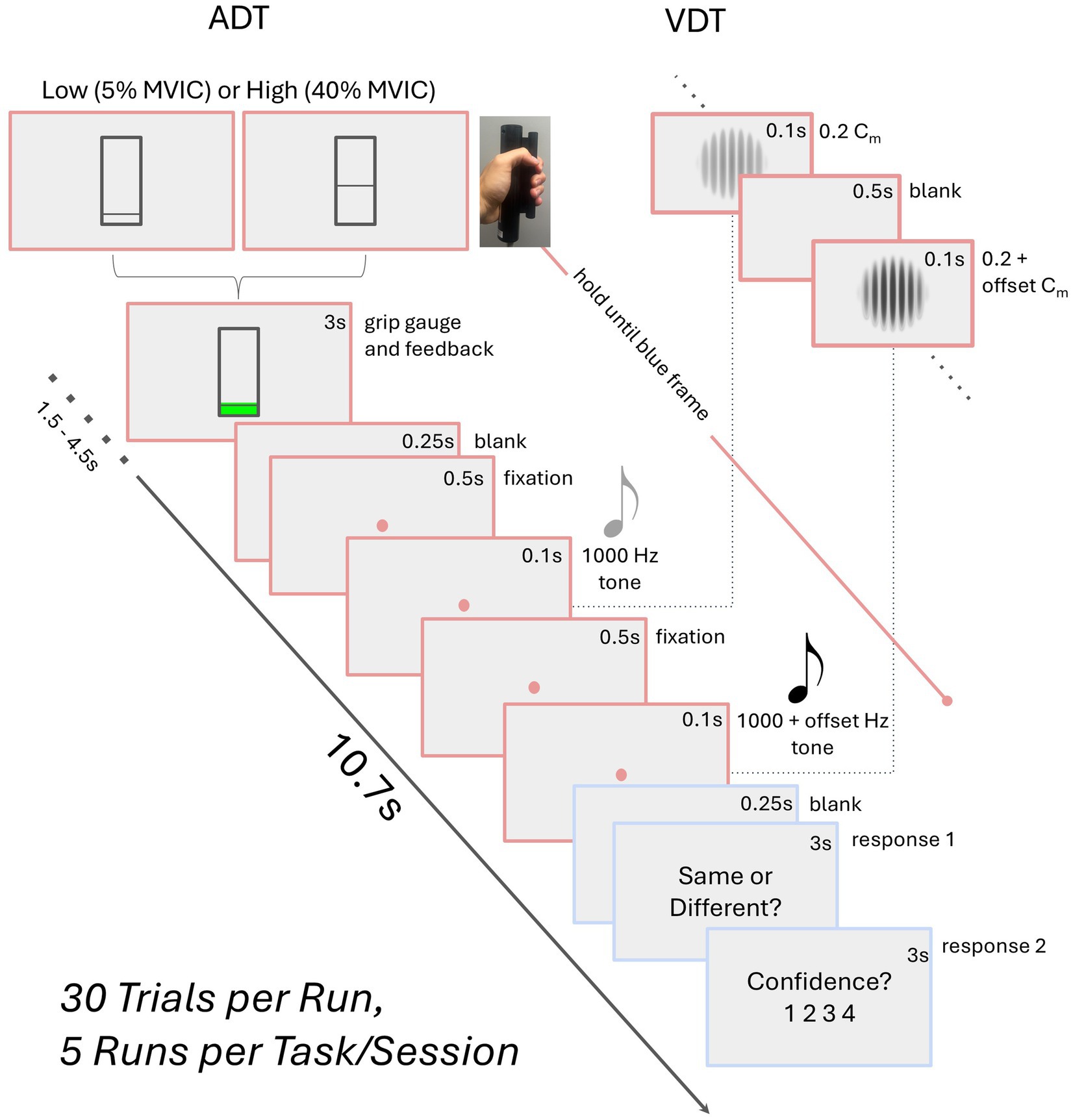
Methods: In this study, we used connectome-based predictive modeling (CPM) to find a linear relationship between task-based connectomes taken from tasks that involved similar handgrip manipulations and a separate measure of physical frailty: the maximum grip strength in older adults.
Results: We observed that the task-based connectomes were able to explain individual differences in grip strength, with the Subcortical and Cerebellum network, particularly the caudate nucleus functional connectivity, being the strongest predictor.
Discussion: These findings demonstrate that task-based functional connectomes can serve as personalized markers for predicting individual behavioral measures, such as handgrip strength, and highlight the role of the caudate nucleus in physical frailty.
00341-4/asset/cb8d6347-fd81-458c-8356-e38b888d8b55/main.assets/gr1.jpg "精神病患者の「比喩的世界」:妄想に関する概念を根本的に転換する新研究(Psychosis patients ‘living in metaphor’ – new study radically shifts ideas about delusions)")