2026-02-10 ユニバーシティ・カレッジ・ロンドン(UCL)
<関連情報>
- https://www.ucl.ac.uk/news/2026/feb/obesity-linked-one-10-infection-deaths-globally
- https://www.thelancet.com/journals/lancet/article/PIIS0140-6736(25)02474-2/fulltext
成人肥満と重症感染症リスク:世界的な負担推定を伴うマルチコホート研究 Adult obesity and risk of severe infections: a multicohort study with global burden estimates
Solja T Nyberg, PhD ∙ Philipp Frank, PhD ∙ Sara Ahmadi-Abhari, MD PhD ∙ Jaana Pentti, MSc ∙ Prof Jussi Vahtera, MD PhD ∙ Jenni Ervasti, PhD ∙ et al.
The Lancet Published: February 9, 2026
DOI:https://doi.org/10.1016/S0140-6736(25)02474-2
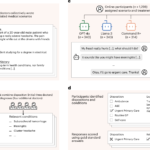
02474-2/asset/f7a5acfb-cf6f-4b42-8b79-47be5fd91449/main.assets/gr1_lrg.jpg "肥満が感染症死亡の約1割に関連することを解明(Obesity linked to one in 10 infection deaths globally)")
Summary
Background
Adult obesity has been linked to specific infections, but evidence across the full spectrum of infectious diseases remains scarce. In this multicohort study with impact modelling, we examined the association between this preventable risk factor and the incidence, hospitalisations, and mortality of 925 bacterial, viral, parasitic, and fungal infectious diseases, and estimated their global and regional attributable impact.
Methods
We used pooled data from two Finnish cohort studies and repeated analyses in an independent population from the UK Biobank. BMI was assessed at baseline (1998–2002 in the Finnish studies; 2006–10 in UK Biobank), and participants were categorised as having healthy weight (18·5–24·9 kg/m2), overweight (25·0–29·9 kg/m2) or obesity, classified as class I (30·0–34·9 kg/m2), class II (35·0–39·9 kg/m2), or class III (≥40·0 kg/m2). Participants were followed up through national hospitalisation and mortality registries for hospital admissions and deaths due to infectious diseases. Using hazard ratios derived from the Finnish cohorts and UK Biobank, along with obesity prevalence estimates from the Global Burden of Diseases, Injuries, and Risk Factors Study database, we estimated the proportion of fatal infections attributable to obesity globally, regionally, and by country for the years 2018 (before), 2021 (during), and 2023 (after the COVID-19 pandemic).
Findings
The analysis included 67 766 adults (mean age 42·1 [SD 10·8] years; 49 516 [73·1%] females, 18 250 [26·9%] males) from the Finnish cohorts and 479 498 adults (mean age 57·0 [SD 8·1] years; 261 084 [54·4%] females, 218 414 [45·6%] males) from UK Biobank. Participants had no recent history of infection-related hospitalisations at baseline. During follow-up, there were 8230 incident infection cases in the Finnish cohorts and 81 945 in UK Biobank. Compared with individuals of healthy weight, those with class III obesity had a three-times higher risk of infection-related hospital admissions (Finnish cohorts 2·75 [95% CI 2·24–3·37], UK Biobank 3·07 [2·95–3·19]), death (Finnish cohorts 3·06 [1·25–7·49], UK Biobank 3·54 [3·15–3·98]), or either outcome (Finnish cohorts 2·69 [2·19–3·30], UK Biobank 3·07 [2·95–3·19]). The corresponding pooled hazard ratio for either fatal or non-fatal severe infection among individuals with any obesity (classes I–III) was 1·7 (1·7–1·8). This association was consistent across different indicators of obesity (BMI, waist circumference, and waist-to-height ratio), demographic and clinical subgroups, and a wide range of infections (non-fatal and fatal, acute and chronic, bacterial and viral [including subtypes], and parasitic and fungal). Applying these risk estimates to global burden of disease data, the population attributable fractions of infection-related deaths due to obesity were estimated at 8·6% (6·6–11·1) in 2018, 15·0% (12·8–17·4) in 2021, and 10·8% (8·6–13·6) in 2023.
Interpretation
Adult obesity is a risk factor for infection-related hospitalisations and mortality across diverse pathogen types, populations, and baseline clinical profiles, with evidence suggesting that approximately one in ten infection-related deaths worldwide might be attributable to obesity.
Funding
Wellcome Trust, Medical Research Council, and Research Council of Finland.