2025-06-23 カナダ・ブリティッシュコロンビア大学 (UBC)
<関連情報>
- https://news.ubc.ca/2025/06/extreme-heat-and-wildfire-smoke-is-a-risky-combination-new-study-finds/
- https://www.nature.com/articles/s44407-025-00014-9
ブリティッシュ・コロンビア州におけるPM2.5と高温が地域住民の死亡率に及ぼす相乗効果 The synergistic effects of PM2.5 and high temperature on community mortality in British Columbia
Eric S. Coker,Stephanie E. Cleland,David McVea,Massimo Stafoggia & Sarah B. Henderson
npj Clean Air Published:11 June 2025
DOI:https://doi.org/10.1038/s44407-025-00014-9
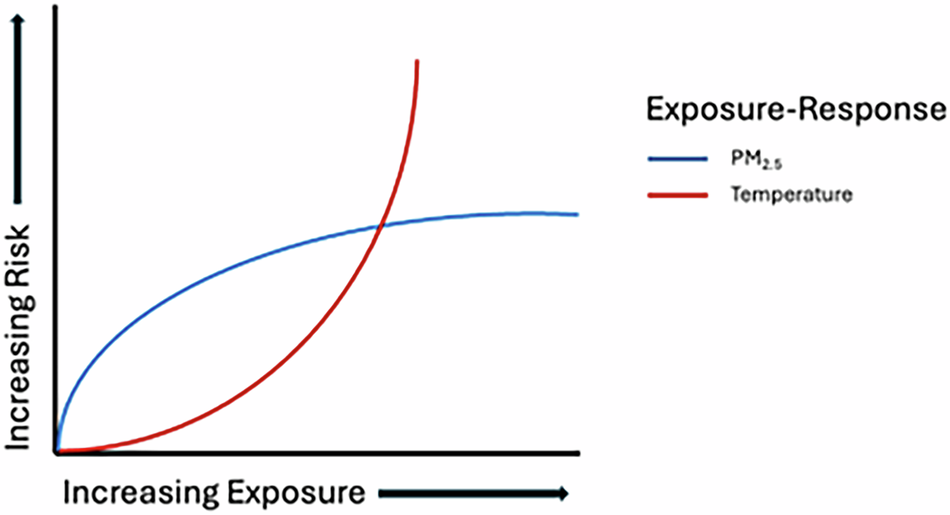
Abstract
Exposure to fine particulate matter (PM2.5), a primary component of wildfire smoke, and exposure to high temperatures both independently increase the risk of mortality, with evidence of synergistic effects. These environmental stressors often co-occur during wildfire season, and their synergistic effects are expected to worsen with climate change. However, the combined health risks of wildfire-related PM2.5 and temperature remain poorly understood, limiting the effectiveness of public health interventions. This study investigated the joint effects of PM2.5 and temperature on community all-cause mortality across 13 wildfire seasons (2010–2022) in southwest British Columbia, Canada. Daily estimates of ambient PM2.5 and temperature exposure were assigned from a machine learning-based prediction model and satellite data, respectively. Using a case-crossover design and conditional logistic regression, we examined non-linear associations between co-exposures and mortality across deciles and absolute exposure ranges. We found significant, non-linear interactions, with the highest mortality risk observed on days with PM2.5 levels of 12–14 µg/m³ and temperatures ≥ 26 °C (OR = 7.31, 95% CI: [5.34, 10.0]). Co-exposures exceeding the 90th percentile showed synergistic effects, contributing an excess mortality risk of 7.9% (95% CI: 6.1, 9.1). Moderate co-exposure levels posed substantial risks, underscoring the need for greater attention to their public health impacts. Our findings highlight the urgent need to understand and address the compounding effects of PM2.5 and temperature to mitigate risks in a changing climate.