2025-09-05 中国科学院(CAS)
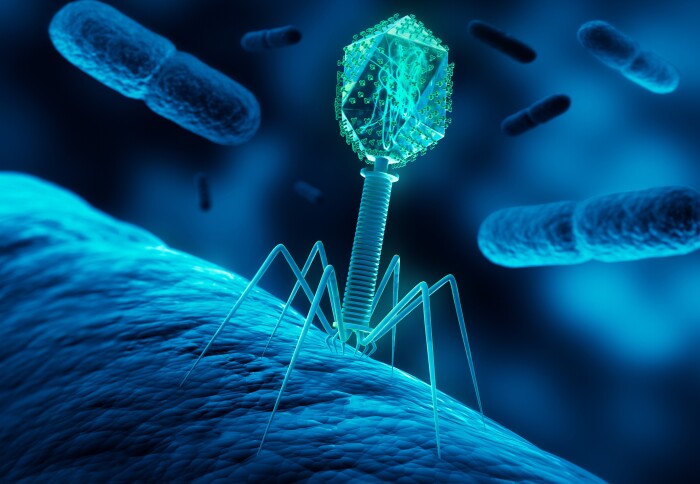
 Proposed working model of the phyB-BP-NCED6/9 cascade in light-initiated seed germination.(Image by Prof. LIU Xuncheng’s team)
<関連情報>
- https://english.cas.cn/newsroom/research_news/life/202509/t20250908_1054160.shtml
- https://www.sciencedirect.com/science/article/pii/S2590346225002792
フィトクロムBはKNOX転写因子BP/KNAT1を安定化させ、シロイヌナズナにおける光誘発種子発芽を促進する Phytochrome B stabilizes the KNOX transcription factor BP/KNAT1 to promote lightinitiated seed germination in Arabidopsis thaliana
Dachuan Gu, Yahan Wang, Minglei Zhao, Hangcong Chen, Suhua Wu, Xia Jin, Ling Deng, Rujun Ji, Jinyan Xu, Feng Zheng, Xuncheng Liu
Plant Communications Available online: 4 September 2025
DOI:https://doi.org/10.1016/j.xplc.2025.101517
Abstract
Seed germination is a critical step in the life cycle of plants. The far-red/red light photoreceptor phytochrome B (phyB) plays a dominant role in promoting seed germination, mainly by modulating the metabolism of gibberellin (GA) and abscisic acid (ABA), although the underlying mechanism remains poorly understood. In this study, we identified BREVIPEDICELLUS (BP)/KNAT1, a KNOX transcription factor that acted downstream of phyB and activated light-initiated seed germination in Arabidopsis thaliana. BP underwent ubiquitination modification and was degraded through the 26S proteasome pathway. PhyB directly interacted with BP in vitro and in vivo and stabilized BP protein by decreasing its ubiquitination in imbibed seeds. A genome-wide transcriptomic analysis revealed that BP and phyB co-regulated the expression of genes related to ABA biosynthesis and signaling transduction, seed dormancy, and cell wall organization. BP repressed the expression of two key ABA biosynthetic genes, NCED6 and NCED9, and decreased ABA levels in imbibed seeds under phyB-activated conditions. BP directly bound to NCED6 and NCED9 and repressed their expression by increasing the levels of H3K27me3, a repressive histone modification marker. Genetic analysis revealed that NCED6/NCED9 acted epistasis of BP in phyB-dependent seed germination. Taken together, this study reveals a transcriptional module consisting of phyB-BP-NCED6/9, which transfers light signals that inhibit ABA biosynthesis, thereby promoting light-induced seed germination.