2026-02-02 京都大学
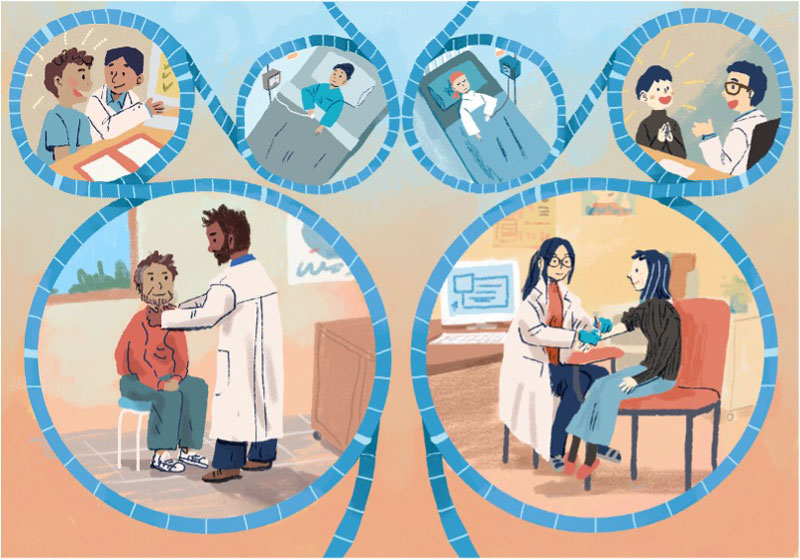
Credits: KyotoU/Robin Hoshino
<関連情報>
- https://www.kyoto-u.ac.jp/ja/research-news/2026-02-02-1
- https://www.kyoto-u.ac.jp/sites/default/files/2026-02/web_2601_Kanda-bd6647fcea618fc752f8af78da6c78f2.pdf
- https://www.sciencedirect.com/science/article/abs/pii/S266663672600062X
日本人とヨーロッパ人における臍帯血移植後の腫瘍発生 Subsequent neoplasms after umbilical cord blood transplantation in the Japanese and European populations
Junya Kanda, Fernanda Volt, Hanadi Rafii, Hideki Nakasone, Annalisa Ruggeri, Nobuharu Fujii, Chantal Kenzey, Naoyuki Uchida, Régis Peffault De La Tour, Hikaru Kobayashi, Graziana Maria Scigliuolo, Koji Kato, Barbara Cappelli, Fumihiko Ishimaru, Tatsuo Ichinohe, Satoshi Takahashi, Vanderson Rocha, Takanori Teshima, Yoshiko Atsuta, Eliane Gluckman
Transplantation and Cellular Therapy Available online: 25 January 2026
DOI:https://doi.org/10.1016/j.jtct.2026.01.027
Highlight
- The incidence and prognosis of subsequent neoplasm in Japan and Europe after UCBT is different.
- Donor-derived acute leukemia after UCBT was more frequently observed in Japan than in Europe.
- Solid tumor types varied: GI cancers more common in Japan; skin, thyroid, soft tissue in Europe.
- OS after PTLD higher in Japan vs Europe; comparable after other malignancies.
Abstract
Background
Subsequent neoplasms (SN) are serious late complications after umbilical cord blood transplantation (UCBT). However, population-based comparisons of the incidence and outcomes of SN between Japan and Europe are lacking.
Objectives
To compare the incidence, types, and outcomes of subsequent neoplasms after unrelated UCBT between Japan and Europe.
Methods
We conducted a retrospective registry-based study using data from the Japanese Society for Transplantation and Cellular Therapy/Japanese Data Center for Hematopoietic Cell Transplantation and Eurocord/European Society for Blood and Marrow Transplantation. Patients who underwent unrelated UCBT between 1998 and 2018 and later developed SN were included in this study. Patients with Fanconi anemia, Diamond-Blackfan anemia, solid tumors as the primary disease, or those who received combined grafts were excluded. Overall survival (OS) was assessed using the Kaplan–Meier method.
Results
Among 16241 (Japan) and 10358 (Europe) UCBT recipients, 527 (3.2%) and 232 (2.2%) developed SN. The incidence of donor-derived acute leukemia/myelodysplastic syndrome (AL/MDS) was higher in Japan (58%) than in Europe (13%). Solid tumor types differed; with upper gastrointestinal cancers being more frequently observed in Japan (20% vs. 5%), while skin (14% vs. 8%), thyroid (14% vs. 4%), and soft tissue tumors (9% vs. 1%) were more common in Europe. Five-year OS after post-transplant lymphoproliferative disorder was significantly higher in Japan than in Europe (48% vs. 23%, P<0.001), whereas after solid tumors and AL/MDS it was comparable between the two groups.
Conclusions
Marked regional differences exist in SN type and prognosis after UCBT. The observed variations in donor-derived leukemia and solid tumor types underscore the importance of tailored region-specific surveillance strategies for long-term post-transplant care.