2025-07-17 インペリアル・カレッジ・ロンドン(ICL)
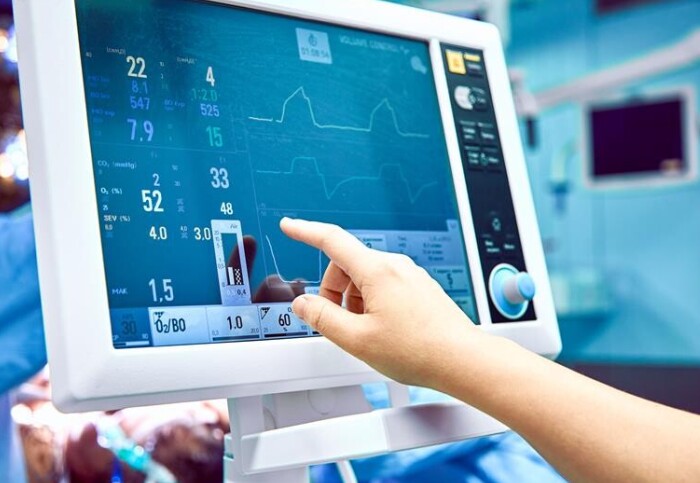
An AI algorithm could help to predict which patients might develop significant heart problems years in advance, just based on ECG readings.
<関連情報>
- https://www.imperial.ac.uk/news/266333/ai-identify-hidden-heart-valve-defects/
- https://academic.oup.com/eurheartj/advance-article/doi/10.1093/eurheartj/ehaf448/8203433
逆流性弁膜症を予測するための人工知能を用いた心電図:国際的研究 Artificial intelligence-enhanced electrocardiography to predict regurgitant valvular heart diseases: an international study
Yixiu Liang , Arunashis Sau , Boroumand Zeidaabadi , Joseph Barker , Konstantinos Patlatzoglou , Libor Pastika , Ewa Sieliwonczyk , Zachary Whinnett , Nicholas S Peters , Ziqing Yu ,…
European Heart Journal Published:16 July 2025
DOI:https://doi.org/10.1093/eurheartj/ehaf448
Abstract
Background and Aims
Valvular heart disease (VHD) is a significant source of morbidity and mortality, though early intervention can improve outcomes. This study aims to develop artificial intelligence-enhanced electrocardiography (AI-ECG) models to diagnose and predict future moderate or severe regurgitant VHDs (rVHDs), including mitral regurgitation (MR), tricuspid regurgitation (TR), and aortic regurgitation (AR).
Methods
The AI-ECG models were developed in a data set of 988 618 ECG and transthoracic echocardiogram pairs from 400 882 patients from Zhongshan Hospital, Shanghai, China. The AI-ECG models used a residual convolutional neural network with a discrete-time survival loss function. External evaluation was performed in outpatients from a secondary care data set from Beth Israel Deaconess Medical Center, Boston, USA, consisting of 34 214 patients with linked echocardiography.
Results
In the internal test set, the AI-ECG models accurately predicted future significant MR [C-index 0.774, 95% confidence interval (CI) 0.753–0.792], AR (0.691, 95% CI 0.657–0.720), and TR (0.793, 95% CI 0.777–0.808). In age- and sex-adjusted Cox models, the highest risk quartile had a hazard ratio (HR) of 7.6 (95% CI 5.8–9.9, P < .0001) for risk of future significant MR, compared with the lowest risk quartile. For future AR and TR, the equivalent HRs were 3.8 (95% CI 2.7–5.5) and 9.9 (95% CI 7.5–13.0), respectively. These findings were confirmed in the transnational external test set. Imaging association analyses demonstrated AI-ECG predictions were associated with subclinical chamber remodelling.
Conclusions
This study developed AI-ECG models to diagnose and predict rVHDs and validated the models in a transnational and ethnically distinct cohort. The AI-ECG models could be utilized to guide surveillance echocardiography in patients at risk of future rVHDs, to facilitate early detection and intervention.