2025-09-10 コロンビア大学

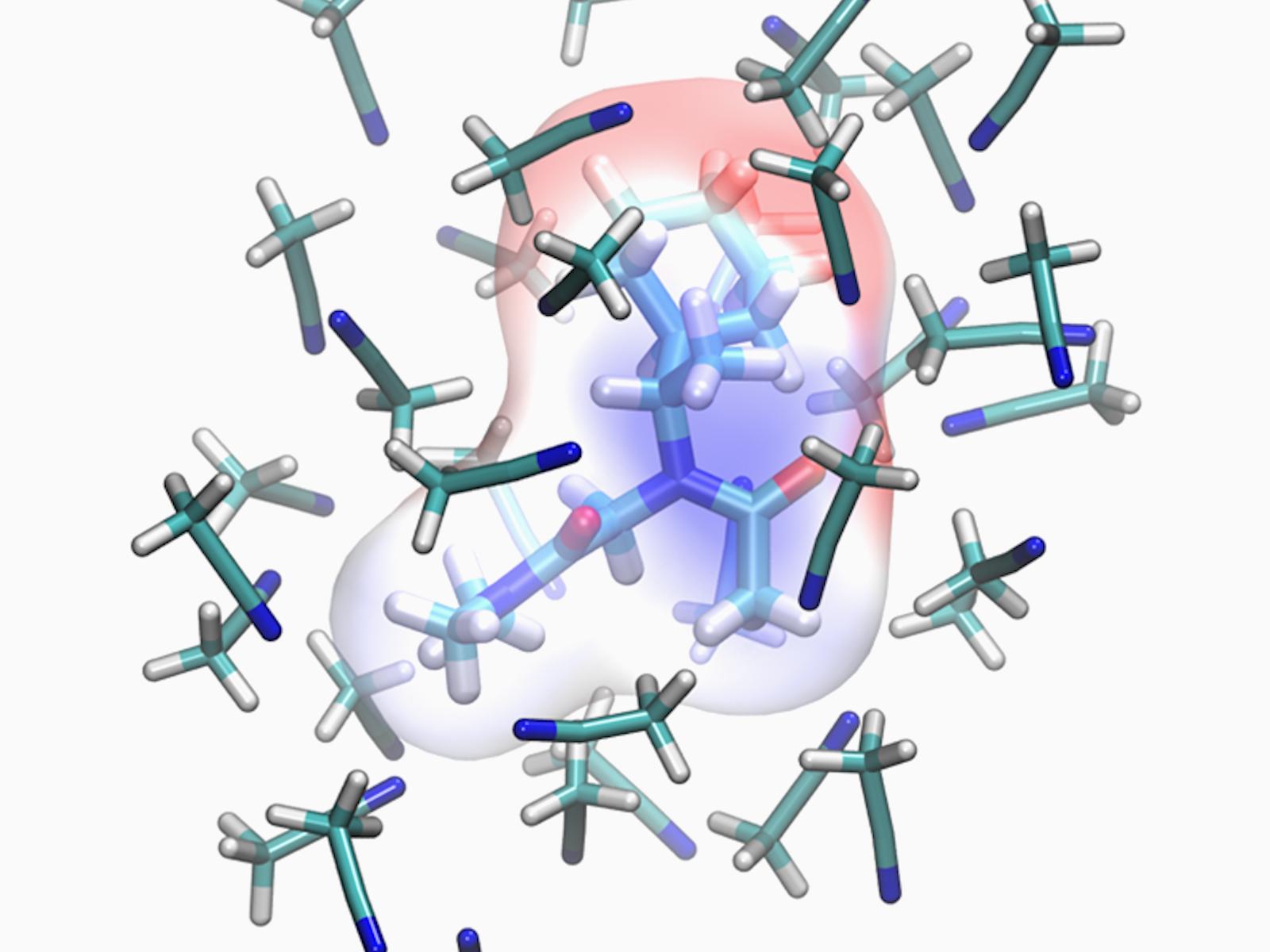
The image shows neurons in the bed nucleus of the stria terminalis that selectively respond to sweet (red) or to sodium (purple) to drive sweet or salt consumption, respectively (Li Wang and José Cánovas / Zuker lab / Columbia’s Zuckerman Institute).
<関連情報>
- https://zuckermaninstitute.columbia.edu/brain-dial-consumption-found-mice
- https://www.cell.com/cell/fulltext/S0092-8674(25)00976-6
消費反応を制御する脳中枢 A brain center that controls consummatory responses
Jose A. Canovas ∙ Li Wang ∙ Ahmed A.M. Mohamed ∙ Larry F. Abbott ∙ Charles S. Zuker
Cell Published:September 10, 2025
DOI:https://doi.org/10.1016/j.cell.2025.08.021
Highlights
- The attraction to sweet stimuli is encoded by specific amygdala neurons
- Sweet signals are translated into consummatory responses in the BNST brain region
- The BNST is a key hub linking sensory and internal-state signals to control consumption
- The BNST is a potential target for bidirectionally controlling body weight
Summary
The innate attraction to sweet mediates appetitive and consummatory responses. Here, we dissected the circuit driving responses to sweet and showed that amygdala neurons tuned to sweet connect to the bed nucleus of the stria-terminalis (BNST) to promote sweet-evoked consumption. Next, we demonstrate that the BNST functions as a central hub, transforming appetitive signals into consumption and linking sensory inputs to the internal state, not only for sweet but also for other stimuli such as salt or food, to flexibly regulate consummatory behaviors. Using single-cell functional imaging, we show that ensemble activity in the BNST encodes stimulus identity and the animal’s internal state. Finally, we demonstrate that manipulating BNST activity can bidirectionally transform consummatory responses. Together, these findings illustrate how the internal state modulates sensory responses, characterize a general brain dial for consumption, and provide fresh insights into sites of action of GLP1R agonists and a strategy to help promote weight gain in pathological states.