
2025-11-17 カリフォルニア大学リバーサイド校(UCR)
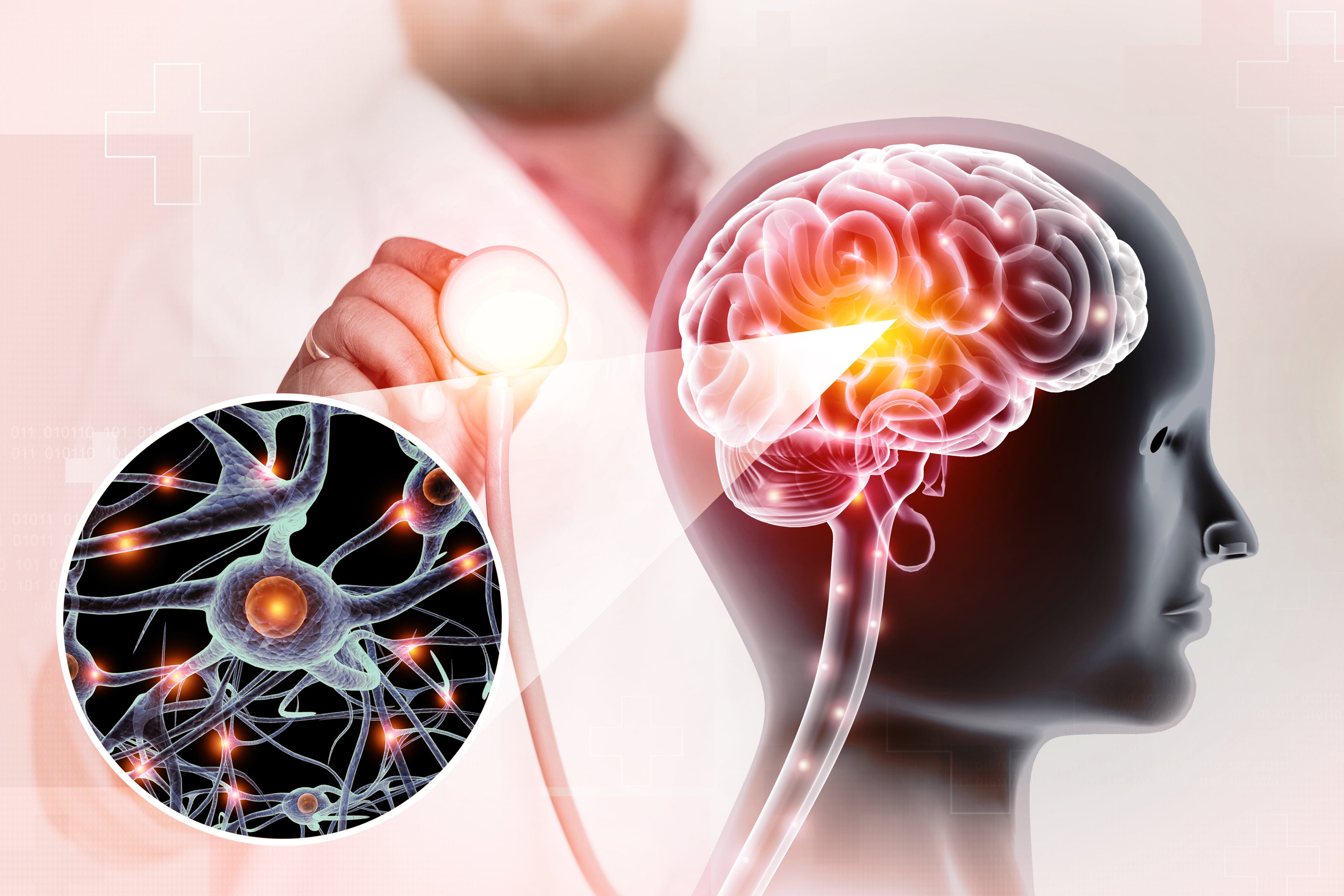
The new brain tissue model could enable significant advancements in neurological research. (Mohammed Haneefa Nizamudeen/iStock/Getty)
<関連情報>
- https://news.ucr.edu/articles/2025/11/17/scientists-engineer-first-fully-synthetic-brain-tissue-model
- https://advanced.onlinelibrary.wiley.com/doi/full/10.1002/adfm.202509452
二連続マイクロアーキテクチャスキャフォールドは神経細胞の行動と成熟を制御する地形的手がかりを提供する Bicontinuous Microarchitected Scaffolds Provide Topographic Cues That Govern Neuronal Behavior and Maturation
Prince D. Okoro, Kevin Dalsania, Shiril B. Iragavarapu, Benjamin Dela Cruz, Aihik Banerjee, Merve Basaranbilek, Martin F. Haase, Bahman Anvari, Iman Noshadi
Advanced Functional Materials Published: 01 October 2025
DOI:https://doi.org/10.1002/adfm.202509452
Abstract
3D tissue-engineered models hold great promise for recreating the intricate architecture and dynamic functions of neural tissues. However, replicating the nuanced structural cues of the brain in vitro remains challenging, as existing platforms often fail to capture the precise architectural motifs that regulate biological responses. Here, a bicontinuous interfacially jammed emulsion gel (bijel)-based fabrication strategy that combines solvent transfer-induced phase separation (STrIPS), microfluidics, and bioprinting to develop a Bijel-Integrated PORous Engineered System (BIPORES) for neural tissue engineering is introduced. This multifaceted approach yields scaffolds featuring interconnected micropores and textured surfaces interspersed with a hyperbolic curvature, seamlessly integrated within macroscale fibrous networks. By leveraging STrIPS of a ternary precursor mixture stabilized by amphiphilic nanoparticles, we synthesized poly(ethylene glycol) diacrylate (PEGDA) BIPORES support neural stem cell adhesion within 30 s without additional biological factors—a first for PEGDA scaffolds. Long-term cultures demonstrate extensive migration, robust proliferation, and differentiation into neuronal and astrocytic lineages, forming 3D networks with enhanced synaptic activity. Collagen encapsulation amplifies 3D cell growth, simulating native neuroanatomical compartmentalization. From a biomimicry standpoint, this multiscale fabrication strategy better approximates native neural tissue dynamics with significant implications for disease modeling, drug screening, and regenerative therapies.

