2025-12-22 ワシントン大学セントルイス校(WUSTL)
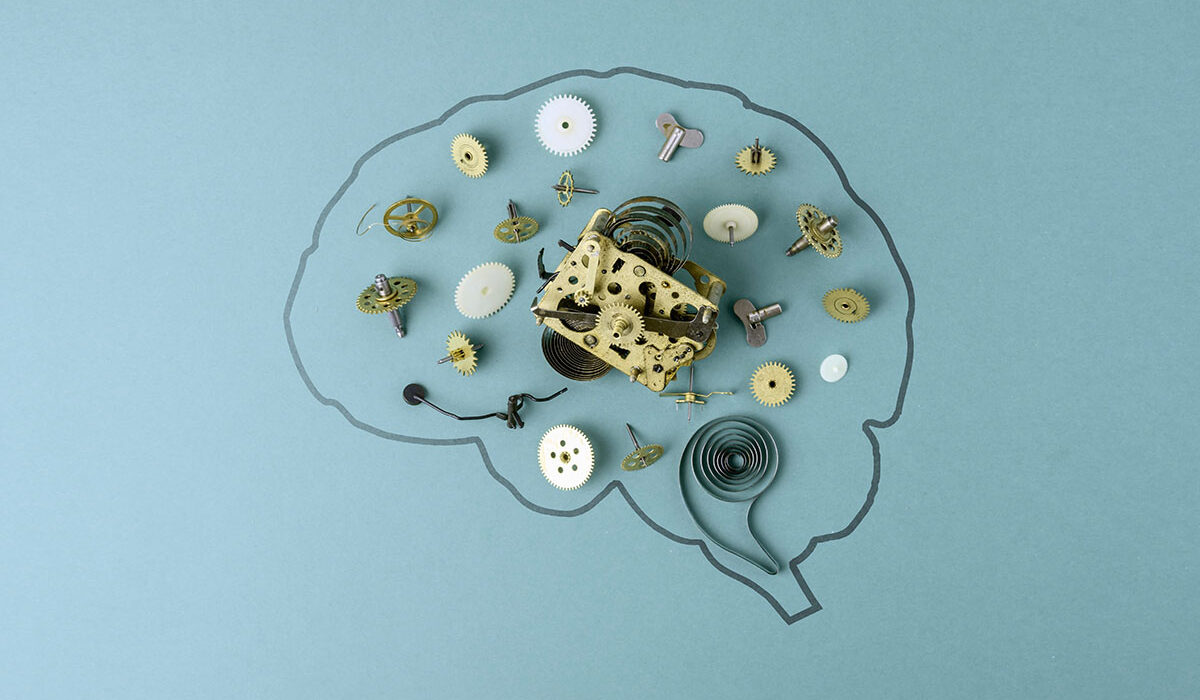
Researchers at WashU are mapping the gears that control circadian rhythms. (Photo: Shutterstock)
<関連情報>
- https://source.washu.edu/2025/12/mapping-the-dance-of-circadian-synchrony/
- https://www.pnas.org/doi/10.1073/pnas.2520674122
マウス視交叉上核における概日リズム同期の基礎となる機能コネクトームの推定 The inferred functional connectome underlying circadian synchronization in the mouse suprachiasmatic nucleus
K. L. Nikhil, Bharat Singhal, Daniel Granados-Fuentes, +2 , and Erik D. Herzog
Proceedings of the National Academy of Sciences Published:December 11, 2025
DOI:https://doi.org/10.1073/pnas.2520674122
Significance
Linking cellular activity to network-level computation remains a major goal in neuroscience. We introduce a robust method to infer directed, functional cell–cell connectivity in large cell populations. Using information theory and live-cell imaging of circadian gene expression, we uncover how the suprachiasmatic nucleus network drives properties such as jetlag and daily dorsal–ventral activity waves. We find that specific, reliable, and sparse connectivity patterns, along with molecular identity, generate and coordinate ensemble behavior. These findings establish a general framework for decoding cell communication and show how network topology shapes computation in distributed cellular systems.
Abstract
Circadian rhythms in mammals arise from the spatiotemporal synchronization of ~20,000 neuronal clocks in the suprachiasmatic nucleus (SCN). Although anatomical, molecular, and genetic approaches have revealed diverse SCN cell types, how network-level wiring enables their synchronization remains unclear. To overcome the challenges of inferring functional connectivity from fixed tissue, we developed Mutual Information & Transfer Entropy (MITE), an information-theoretic framework to infer directed cell–cell connections with high fidelity from long-term live-cell imaging. Recording and analyzing 3,290 h of clock gene expression from 8,261 SCN neurons across 17 mice, we uncovered a highly conserved, sparse SCN network organized into two asymmetrically coupled modules: dorsal and ventral. Connectivity analyses revealed five functional SCN cell types independent of neurochemical identity. Notably, only ~30% of vasoactive intestinal peptide neurons exhibited Hub-like connectivity, classifying them as Generators and Broadcasters of synchrony signals. Other spatially stereotyped cell types consistently identified as Bridges, Receivers, or Sinks. Simulations based on MITE-inferred connectomes recapitulated emergent SCN dynamics, including recovery from desynchrony and the daily dorsal-to-ventral phase wave of gene expression. Together, these results demonstrate that MITE enables precise mapping of cellular network topology, revealing the circuit logic and key cell types that mediate circadian synchrony across space and time in the mammalian SCN.