2026-01-22 トロント大学(U of T)
<関連情報>
- https://www.utoronto.ca/news/researchers-identify-potential-biomarker-linked-ms-progression
- https://www.nature.com/articles/s41590-025-02359-5
リンホトキシン依存性髄膜CXCL13:BAFF比の上昇が灰白質損傷を引き起こす Lymphotoxin-dependent elevated meningeal CXCL13:BAFF ratios drive gray matter injury
Ikbel Naouar,Andrei Pangan,Michelle Zuo,Syed Ali Raza,Kevin Champagne-Jorgensen,Jyot Patel,Angela Wang,Annie Pu,Lesley Ward,Jennifer S. Y. Ahn,Faizah N. Sayeed,Jingwen Zhu,Elisabeth Pössnecker,Shoshana Spring,John G. Sled,Bruno Cenni,Barbara Nuesslein-Hildesheim,Jeffrey L. Browning,Anne-Katrin Pröbstel,Daniel S. Reich,Jennifer L. Gommerman & Valeria Ramaglia
Nature Immunology Published:02 January 2026
DOI:https://doi.org/10.1038/s41590-025-02359-5
Abstract
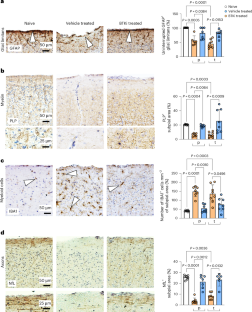
In multiple sclerosis (MS), B cell-rich tertiary lymphoid tissues (TLTs) in the brain leptomeninges associate with cortical gray matter injury. Using a model of Th17 cell-driven experimental autoimmune encephalomyelitis in mice, we found that inhibitors of Bruton’s tyrosine kinase (BTKi) prevented TLT formation and cortical pathology in a B cell activating factor (BAFF)-dependent manner. BTKi reduced expression of lymphotoxin ligands, and cotreatment with a lymphotoxin-β receptor agonist abrogated the benefits of BTKi. TLT and cortical pathology tracked with a high CXCL13:BAFF ratio in the leptomeninges, which was reduced by BTKi. Moreover, we observed high CXCL13:BAFF ratios in post mortem cerebral spinal fluid from patients with MS and pathologically confirmed leptomeningeal inflammation, as well as in living patients with MS and radiologically confirmed paramagnetic rim lesions. In summary, using experimental autoimmune encephalomyelitis, we revealed a molecular circuit that leads to TLT formation and cortical injury with translational relevance for detection of this pathology in patients with MS.