2026-01-29 カリフォルニア大学リバーサイド校(UCR)
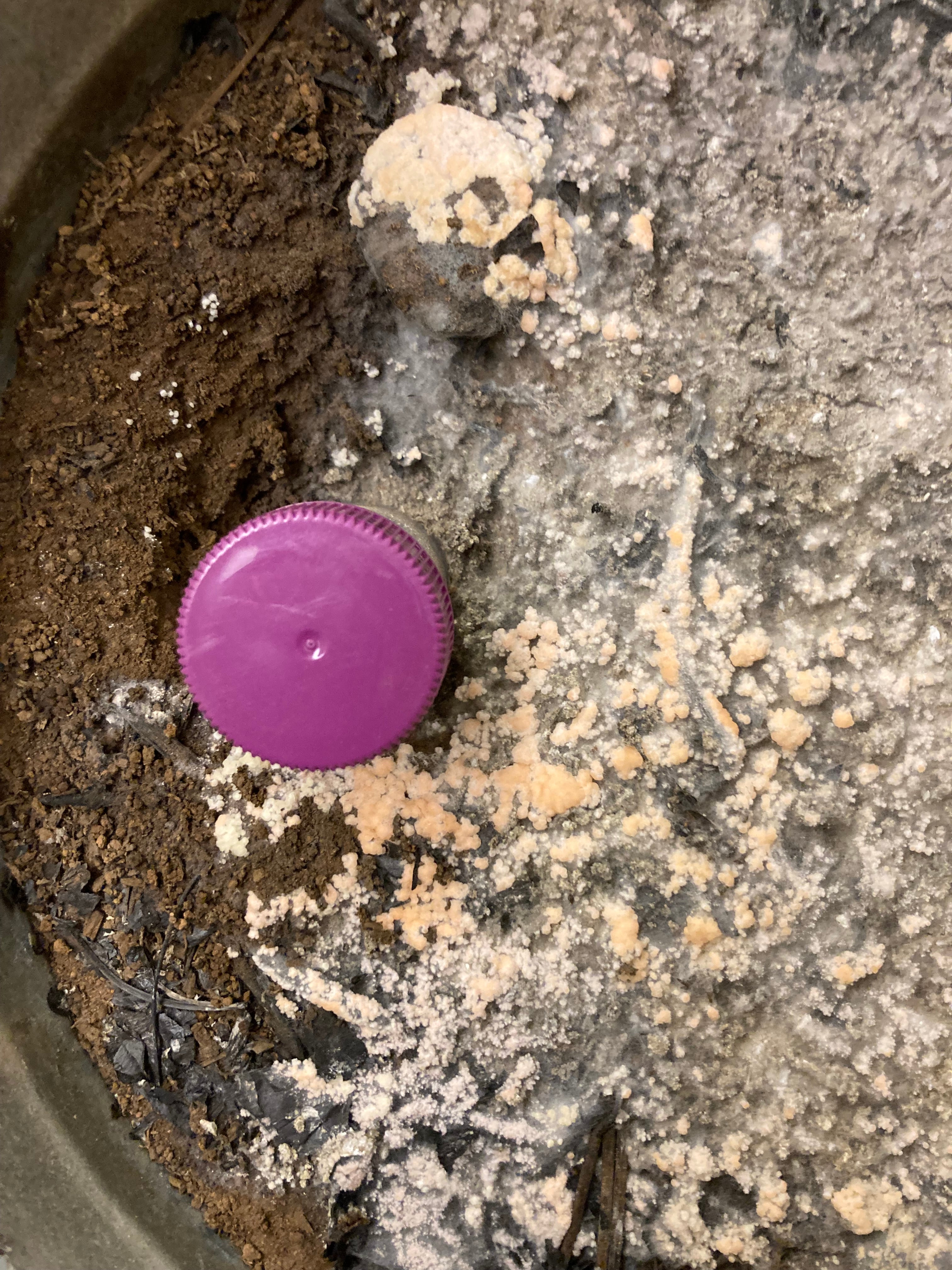
Pyronema mycelium growing over soil and charcoal. (Maria Ordonez/UCR)
<関連情報>
- https://news.ucr.edu/articles/2026/01/29/how-fire-loving-fungi-learned-eat-charcoal
- https://www.pnas.org/doi/10.1073/pnas.2519152123
遺伝子重複、水平遺伝子伝播、および形質トレードオフが好熱菌における火災後の資源獲得の進化を促進する Gene duplication, horizontal gene transfer, and trait trade-offs drive evolution of postfire resource acquisition in pyrophilous fungi
Ehsan Sari, Dylan J. Enright, Maria E. Ordoñez, +3 , and Sydney I. Glassman
Proseedings of the National Academy of Sciences Published:January 2, 2026
DOI:https://doi.org/10.1073/pnas.2519152123
Significance
Wildfires affect large tracts of the terrestrial biosphere, and while much is understood about plant adaptations to fire, here we uncovered genomic adaptations in fungi that can be modeled to predict impacts on global C and N cycling. We tested theorized trait trade-offs, and showed with genomics and bioassays how evolutionary trade-offs, like prioritizing aromatic C degradation at the expense of rapid growth, enable pyrophilous fungi to thrive postfire. Further, we advance fungal genomics, and reveal the importance of mechanisms like gene duplication, sexual reproduction, and cross-kingdom horizontal gene transfer (HGT) for enabling adaptation and evolutionary diversification in fungi. Finally, we identify fungi that may be useful inoculants to enhance recovery of polluted or burned soils.
Abstract
Wildfires significantly alter soil carbon (C) and nitrogen (N), reducing microbial richness and biomass, while selecting for “fire-loving” pyrophilous microbes that drive postfire nutrient cycling. However, the genomic strategies and functional trade-offs (balancing gains in one trait with costs in another) underlying the traits that enable pyrophilous microbes to survive and thrive postfire are virtually unknown. We hypothesized that pyrophilous fungi employ specialized genomic adaptations for C and N cycling, with evolutionary trade-offs between traits governing aromatic C degradation, N acquisition pathways, and rapid growth. To test these hypotheses, we performed complementary comparative genomics, transcriptomics after pyrogenic organic matter amendment, and growth rate bioassays for 18 pyrophilous fungi from five Ascomycota (Eurotiales, Pleosporales, Sordariales, Coniochaetales, and Pezizales) and three Basidiomycota (Agaricales, Holtermanniales, and Geminibasidiales) orders isolated from burned soils. We found a dramatic trait trade-off between fast growth and number of genes responsible for aromatic C degradation, implying burned environments select for metabolically costly genes despite their evolutionary cost. We used the comparative genomics framework to evaluate genomic signatures of evolution and found that either gene duplication and somatic mutation, or recombination via sexual reproduction, were the primary drivers of fungal genomic variation in aromatic C degradation and N acquisition genes. Finally, we identified cross-kingdom bacterial to fungal horizontal gene transfer (HGT) as a secondary strategy producing novel aromatic C degradation genes. Overall, we found that trait trade-offs and genome evolutionary strategies are key drivers that may predict the persistence and contribution of pyrophilous fungi to global C and N cycling.