2025-07-30 中国科学院(CAS)

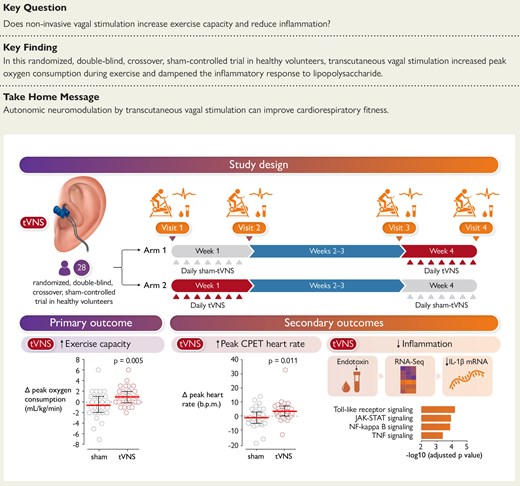
GAS6 rises with age in human aorta: young (left) vs. aged (right) (Image by Profs. LIU Guanghui and ZHANG Weiqi’s labs)
<関連情報>
- https://english.cas.cn/newsroom/research_news/life/202507/t20250729_1048617.shtml
- https://www.cell.com/cell/abstract/S0092-8674(25)00749-4
寿命50年にわたる包括的なヒトプロテオーム・プロファイルから、老化の軌跡と特徴が明らかになった Comprehensive human proteome profiles across a 50-year lifespan reveal aging trajectories and signatures
Yingjie Ding ∙ Yuesheng Zuo,, ∙ Bin Zhang ∙ … ∙ Jing Qu ∙ Weiqi Zhang ∙ Guang-Hui Liu
Cell Published:July 25, 2025
DOI:https://doi.org/10.1016/j.cell.2025.06.047
Highlights
- A proteomic blueprint of human organs across 50-year aging stages
- Transcriptome-proteome decoupling and proteostasis failure mark aged tissues
- Human organ proteomic clocks reveal aging inflection and asynchrony
- Circulating senoproteins contribute to vascular and systemic aging
Summary
Proteins are the cornerstone of life. However, the proteomic blueprint of aging across human tissues remains uncharted. Here, we present a comprehensive proteomic and histological analysis of 516 samples from 13 human tissues spanning five decades. This dynamic atlas reveals widespread transcriptome-proteome decoupling and proteostasis decline, characterized by amyloid accumulation. Based on aging-associated protein changes, we developed tissue-specific proteomic age clocks and characterized organ-level aging trajectories. Temporal analysis revealed an aging inflection around age 50, with blood vessels being a tissue that ages early and is markedly susceptible to aging. We further defined a plasma proteomic signature of aging that matches its tissue origins and identified candidate senoproteins, including GAS6, driving vascular and systemic aging. Together, our findings lay the groundwork for a systems-level understanding of human aging through the lens of proteins.