
2025-08-13 マウントサイナイ医療システム(MSHS)
<関連情報>
- https://www.mountsinai.org/about/newsroom/2025/mount-sinai-study-supports-evidence-that-prenatal-acetaminophen-use-may-be-linked-to-increased-risk-of-autism-and-adhd
- https://ehjournal.biomedcentral.com/articles/10.1186/s12940-025-01208-0
アセトアミノフェンの使用と神経発達障害に関する証拠の評価を、ナビゲーション・ガイド手法を用いて行う Evaluation of the evidence on acetaminophen use and neurodevelopmental disorders using the Navigation Guide methodology
Diddier Prada,Beate Ritz,Ann Z. Bauer & Andrea A. Baccarelli
Environmental Health Published:14 August 2025
DOI:https://doi.org/10.1186/s12940-025-01208-0
Abstract
Background
Acetaminophen is the most commonly used over-the-counter pain and fever medication taken during pregnancy, with > 50% of pregnant women using acetaminophen worldwide. Numerous well-designed studies have indicated that pregnant mothers exposed to acetaminophen have children diagnosed with neurodevelopmental disorders (NDDs), including autism spectrum disorder (ASD) and attention-deficit/hyperactivity disorder (ADHD), at higher rates than children of pregnant mothers who were not exposed to acetaminophen.
Methods
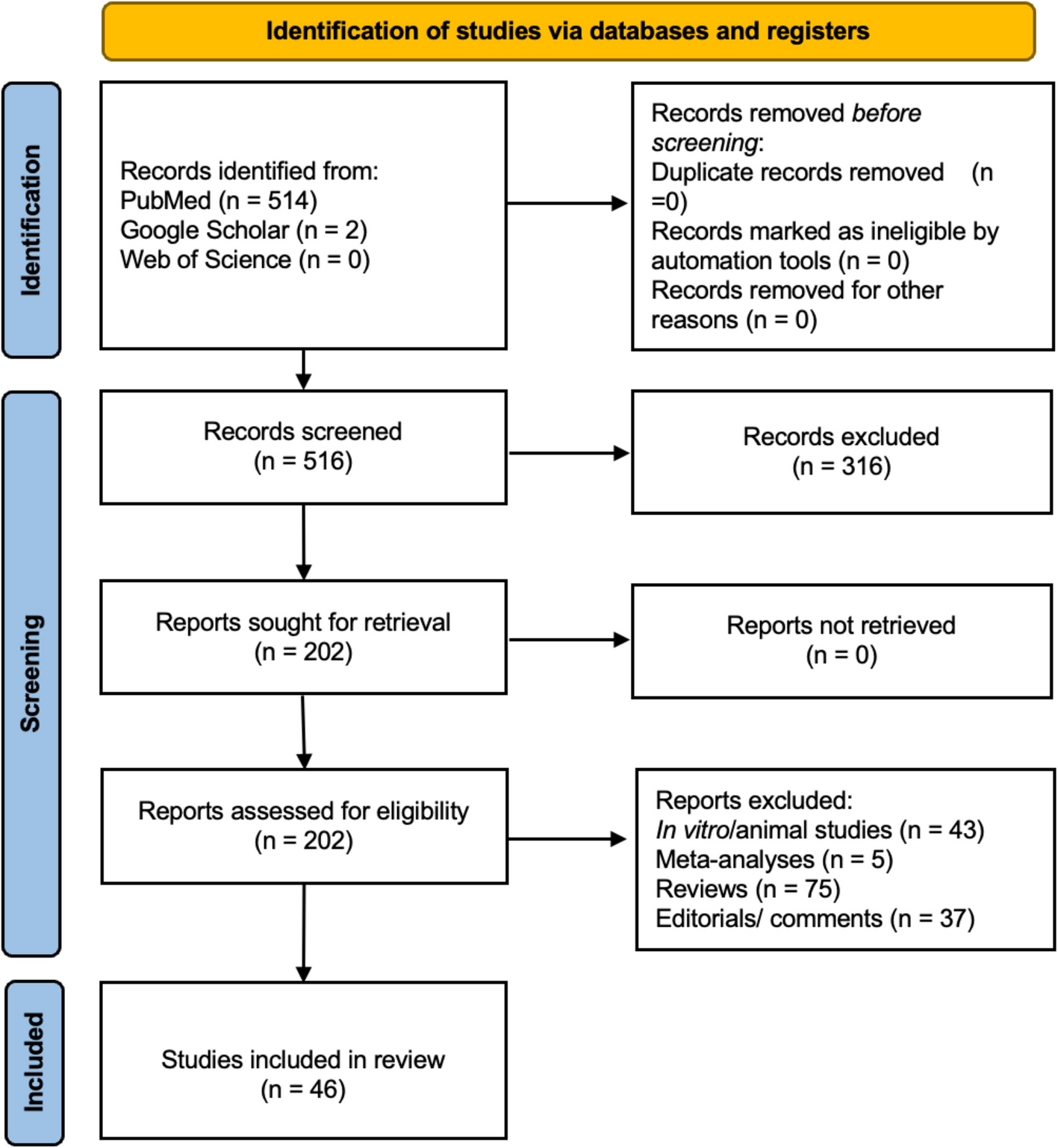
We applied the Navigation Guide methodology to the scientific literature to comprehensively and objectively examine the association between prenatal acetaminophen exposure and NDDs and related symptomology in offspring. We conducted a systematic PubMed search through February 25, 2025, using predefined inclusion criteria and rated studies based on risk of bias and strength of evidence. Due to substantial heterogeneity, we opted for a qualitative synthesis, consistent with the Navigation Guide’s focus on environmental health evidence.
Results
We identified 46 studies for inclusion in our analysis. Of these, 27 studies reported positive associations (significant links to NDDs), 9 showed null associations (no significant link), and 4 indicated negative associations (protective effects). Higher-quality studies were more likely to show positive associations. Overall, the majority of the studies reported positive associations of prenatal acetaminophen use with ADHD, ASD, or NDDs in offspring, with risk-of-bias and strength-of-evidence ratings informing the overall synthesis.
Conclusions
Our analyses using the Navigation Guide thus support evidence consistent with an association between acetaminophen exposure during pregnancy and increased incidence of NDDs. Appropriate and immediate steps should be taken to advise pregnant women to limit acetaminophen consumption to protect their offspring’s neurodevelopment.

