2025-09-18 イェール大学
<関連情報>
- https://medicine.yale.edu/news-article/glp-1-receptor-agonists-protect-the-liver-during-alcohol-consumption/
- https://www.nature.com/articles/s44324-025-00077-y
GLP-1受容体作動薬は肝臓におけるエタノール代謝を減少させる GLP-1 receptor agonism results in reduction in hepatic ethanol metabolism
Frhaan Zahrawi,Arumugam Suyavaran,Bubu A. Banini & Wajahat Z. Mehal
npj Metabolic Health and Disease Published:18 September 2025
DOI:https://doi.org/10.1038/s44324-025-00077-y
Abstract
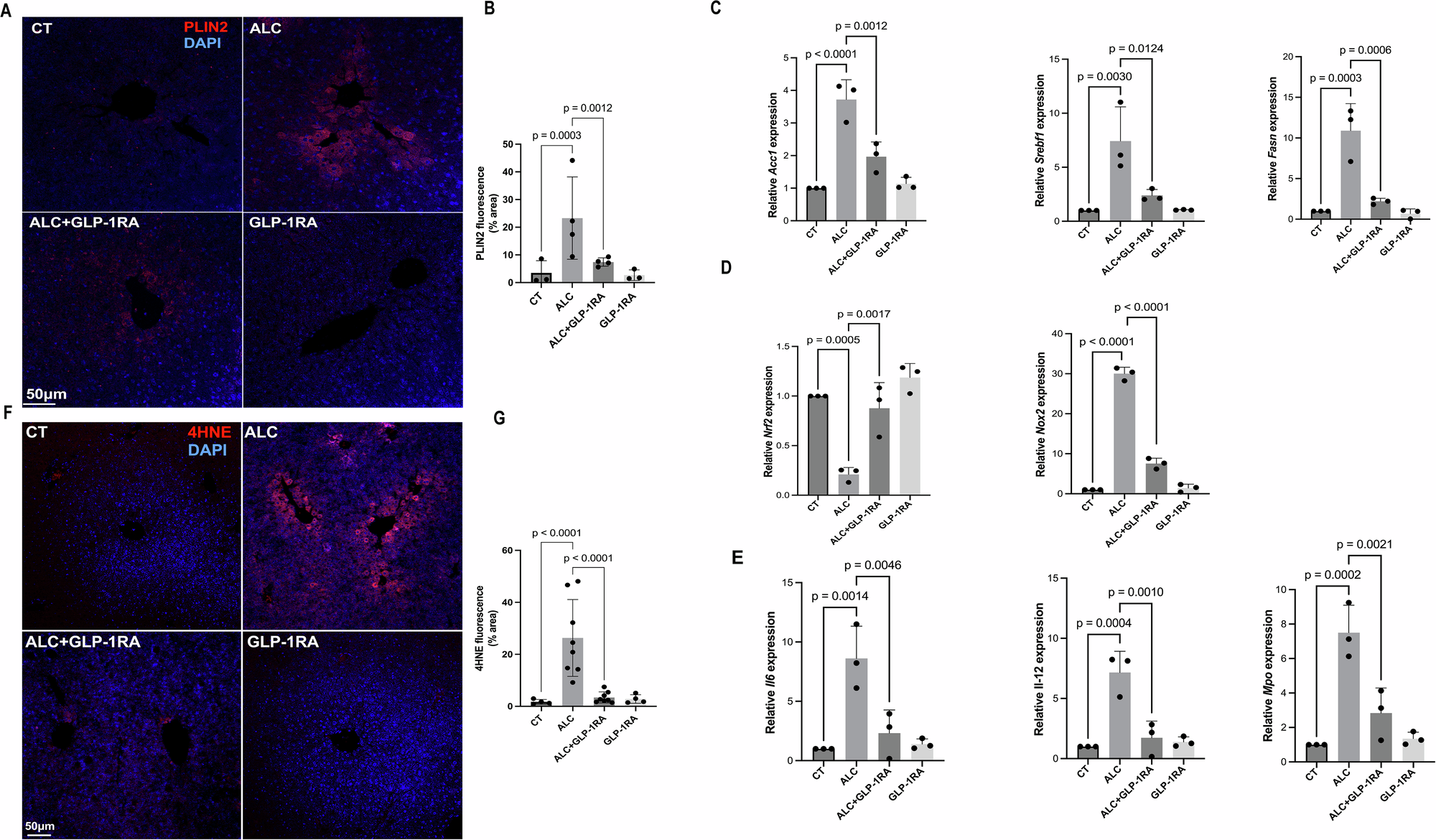
Glucagon-like peptide 1 receptor (GLP-1R) agonists are used along with ethanol consumption, but their interactions are not understood. Our aim was to determine the effects of GLP-1R agonism on the liver in mouse models of high ethanol consumption. We identified that GLP-1R agonism reduced ethanol consumption, mitigated ethanol-induced upregulation of several liver metabolizing enzymes, including Cyp2e1 and also reduced Cyp2e1 independent of ethanol intake. As expected from a reduction in Cyp2e1, GLP-1R agonism resulted in increased blood ethanol levels. This occurred after a single dose of ethanol when given by gavage, and by the intraperitoneal route. This suggests that GLP-1R agonism can reduce ethanol-mediated hepatotoxicity despite continued ethanol consumption and elevate blood alcohol levels.