2025-10-23 カロリンスカ研究所
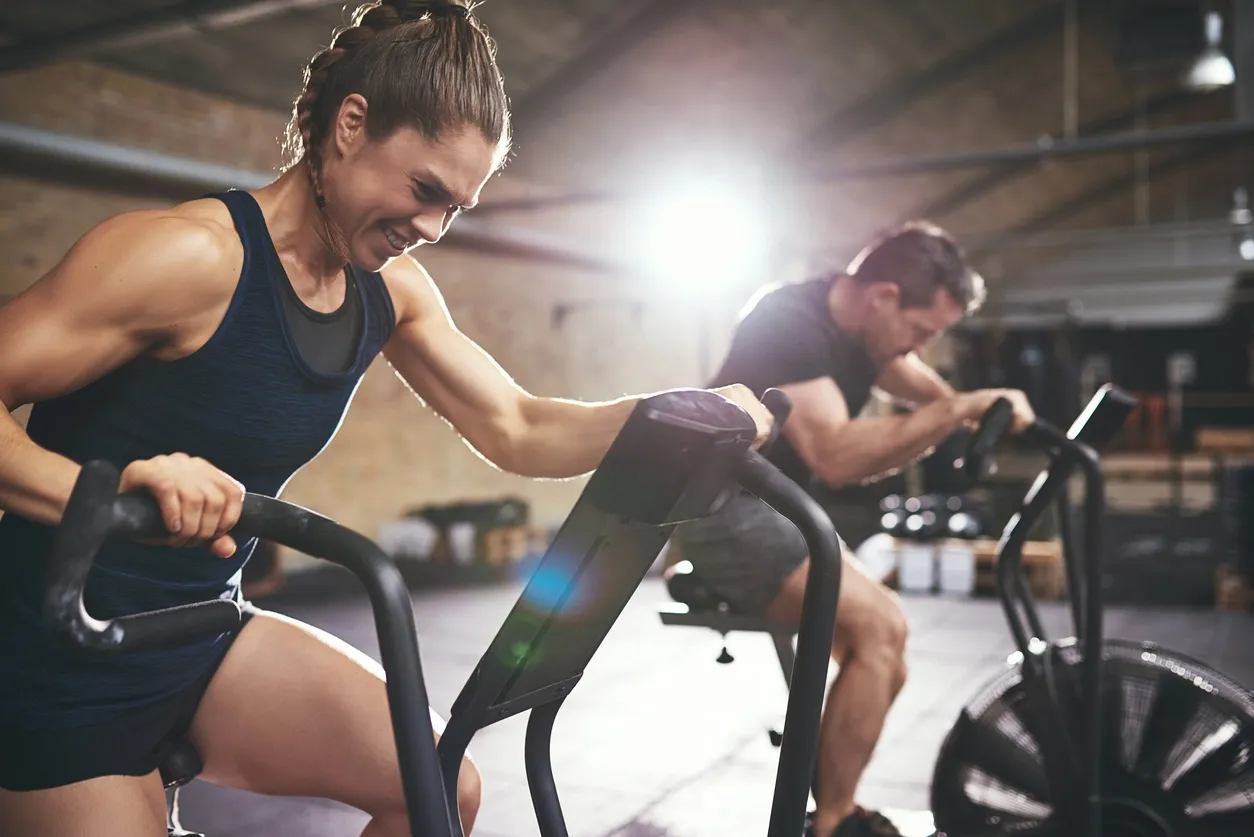
Photo: Istock
<関連情報>
- https://news.ki.se/gender-equality-universally-linked-to-physical-capacity
- https://www.sciencedirect.com/science/article/pii/S2095254625000808
人間開発とジェンダー不平等は心肺機能と関連している:V̇O 2peakの世界的な系統的レビュー Human development and gender inequality are associated with cardiorespiratory fitness: A global systematic review of V̇O2peak
Nicolas J. Pillon, Joaquin Ortiz de Zevallos, Juleen R. Zierath, Barbara E. Ainsworth
Journal of Sport and Health Science Available online 22 October 2025
DOI:https://doi.org/10.1016/j.jshs.2025.101098
Highlights
- A global systematic review of 24 countries identifies independent associations of Human Development Index (HDI) and Gender Inequality Index (GII) with cardiorespiratory fitness across age groups and sexes.
- Peak oxygen uptake (V̇O2peak) values are higher in countries with middle- and high-HDI compared with low-HDI settings.
- Greater gender inequality (higher GII) is associated with lower V̇O2peak in both females and males.
- The largest disparities in V̇O2peak were found in young women between low- and high-GII countries, indicating that improvements in human development particularly benefit young females.
Abstract
Background
Cardiorespiratory fitness (CRF) is a powerful predictor of mortality and chronic disease risk, yet global patterns and determinants of CRF remain poorly defined, particularly in females and underrepresented populations. We conducted a systematic review and quantitative synthesis of directly measured peak oxygen uptake (V̇O2peak) internationally and examined its association with human development and gender inequality.
Methods
Studies were eligible if V̇O2peak was assessed via direct gas analysis during maximal exercise testing, and if the countries had scores for the Human Development Index (HDI) and Gender Inequality Index (GII). Studies were identified through MEDLINE/PubMed, Embase, CINAHL, and Web of Science. Risks of bias were assessed by an adaptation of the Newcastle-Ottawa Scale. Multivariable linear regression models examined associations between V̇O2peak, age, sex, exercise modality, HDI, GII, and study year.
Results
Data included 95 studies from 24 countries with HDI and GII scores, comprising 119,435 adults (42% females) with V̇O2peak assessed via direct gas analysis during maximal exercise testing. The risk of bias was low. V̇O2peak was positively associated with HDI (β = 14.1) and negatively associated with GII (β = –3.6). Slightly stronger associations were observed in females than males (HDI: β = 18.9 vs. β = 13.9, GII: β = –4.6 vs. β = –3.6). Young females in middle-HDI countries had higher V̇O2peak than those in low-HDI countries (31.2 mL/kg/min vs. 28.5 mL/kg/min), with limited additional gains in high-HDI contexts. V̇O2peak decreased with higher gender inequality, with the largest disparities observed in young females between high- and low-GII countries (32.8 mL/kg/min vs. 26.3 mL/kg/min).
Conclusion
Global variation in CRF is tied to national levels of human development and gender equality. These findings support prioritizing structural and policy-level interventions that address social and gender disparities in physical activity access and health promotion. Studies from countries with lower HDI and information on ethnicity and socioeconomic status will bridge crucial gaps in understanding factors involved in global CRF levels.
01375-3/asset/f08959bb-e40b-4e77-9d7b-c079c60074ec/main.assets/gr1.jpg "減量薬が減量量に関係なく心臓に良い効果(‘Weight loss’ drug helps heart regardless of amount of weight lost)")