2025-07-17 カナダ・コンコルディア大学
ChatGPT:
- https://www.concordia.ca/cunews/artsci/2025/07/17/tougher-tree-leaves-dont-always-offer-better-protection-from-insects-says-new-concordia-research.html
- https://cdnsciencepub.com/doi/abs/10.1139/cjfr-2024-0330
葉の物理的形質は昆虫の草食性を予測するか?ケベック州の温帯林に生育する近縁種の2本のカエデにおけるボトムアップ圧力の検証 Do physical leaf traits predict insect herbivory? Testing bottom-up pressures in two closely related maple trees in a temperate forest in Quebec
Mahsa Hakimaraand Emma Despland
Canadian Journal of Forest Research Published:25 June 2025
DOI:https://doi.org/10.1139/cjfr-2024-0330
Abstract
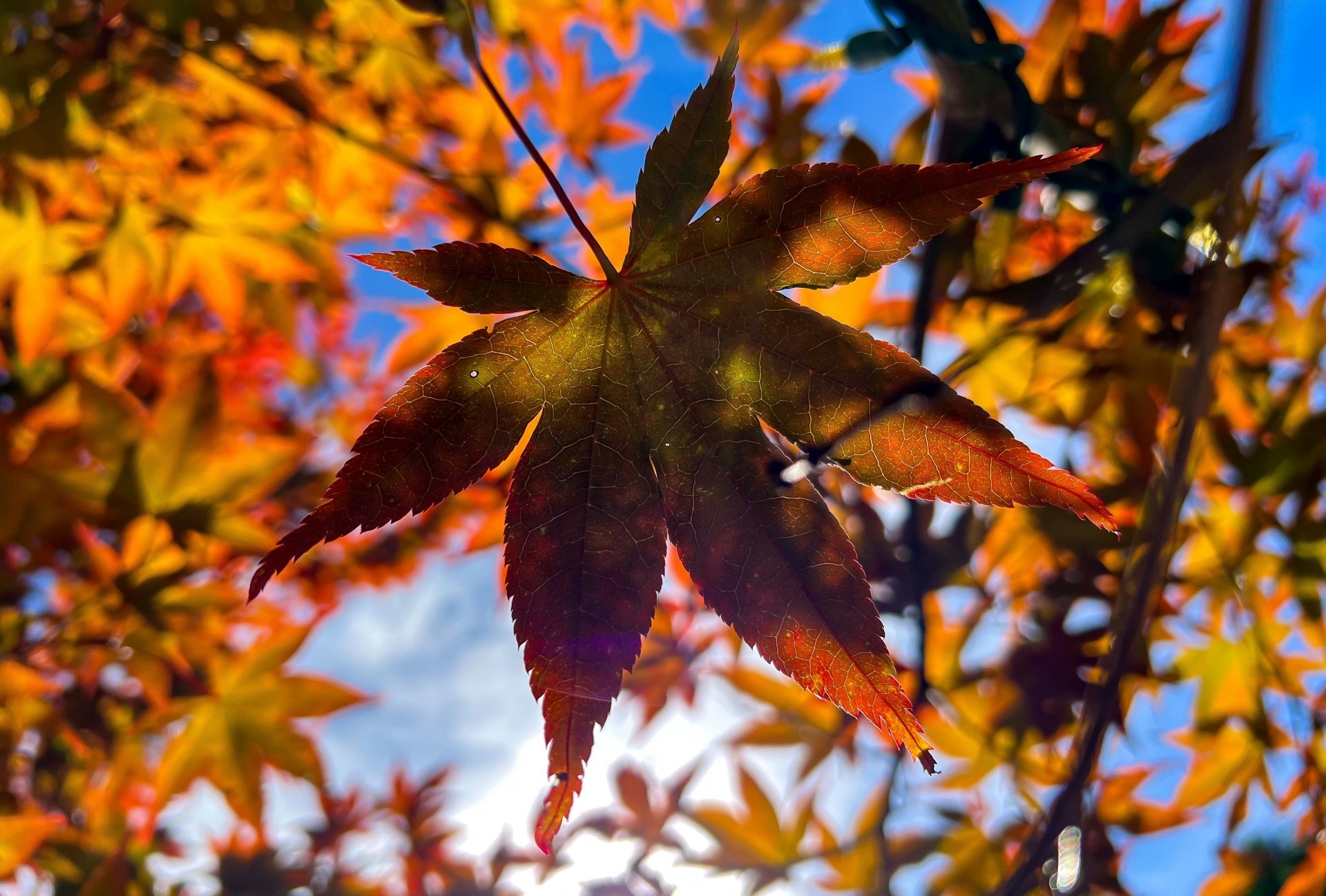
Closely related plant species often share similar leaf traits, experience the same level of insect herbivore damage, and support identical herbivore communities. The sugar maple (Acer saccharum) and black maple (Acer nigrum) provide an ideal system to test hypotheses about drivers of insect herbivory in long-lived forest trees since they are closely related yet differ in leaf physical traits. We tested whether variations in foliar traits such as thickness, toughness, specific leaf area (SLA), and trichome density influence insect herbivore damage, community composition, and feeding behavior on these two closely related trees. Field surveys in two nature reserves over 3 years assessed 10 insect herbivore damage types and measured leaf traits. Results showed consistent differences in leaf traits, with black maples having thicker and tougher leaves with lower SLA and higher trichome density. However, these traits did not significantly correlate with total herbivore damage. The maple species had no significant differences in total herbivore damage or abundance. Laboratory bioassays with two common moth caterpillars revealed no significant differences in preference or survival rate on foliage from either tree species. These findings suggest that while foliar traits differ, they do not offer better defense against insect herbivory in black maples.