2025-09-02 フランス国立科学研究センター(CNRS)
Web要約 の発言:
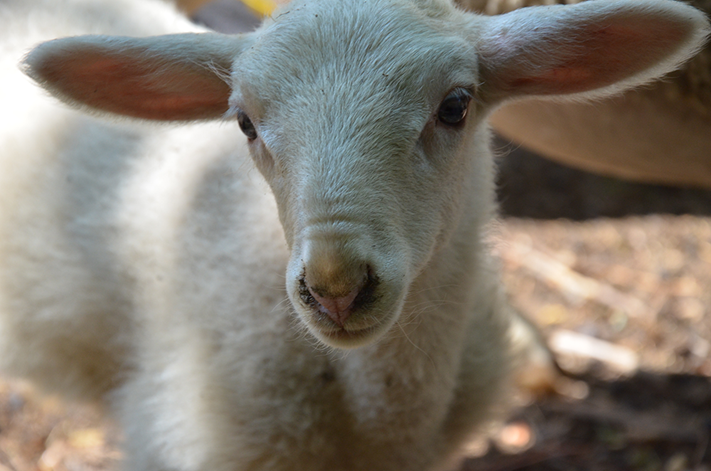
Raïole lamb (a race of sheep from the Cevennes region in France). For 8,000 years in the north-western Mediterranean region, wild and domestic animal size has been shaped by the environment and by human pressure, which has intensified in the last 1,000 years. © Allowen Evin
<関連情報>
- https://www.cnrs.fr/en/press/human-impact-evolution-domestic-and-wild-animal-body-size-has-intensified-last-millennium
- https://www.pnas.org/doi/10.1073/pnas.2503428122
8,000年にわたる野生・家畜動物の体サイズデータが示す長期的な同期性と、人間活動強化による近年の分岐傾向 8,000 years of wild and domestic animal body size data reveal long-term synchrony and recent divergence due to intensified human impact
Cyprien Mureau, Léa d’Oliveira, Odile Peyron, +7 , and Allowen Evin
Proceedings of the National Academy of Sciences Published:September 2, 2025
DOI:https://doi.org/10.1073/pnas.2503428122
Significance
This study explores how human and environmental influences shaped animal morphology over the last 8,000 y. By analyzing body size evolution in wild and domestic animals from the Northwestern Mediterranean, it reveals long-term synchrony in their trajectories until the Middle Ages, suggesting shared ecological constraints. In the last millennium, these trajectories diverged as human influence intensified, promoting unprecedented increases in domestic species body size, while wild species exhibited a trend toward decreased size. These findings underscore the long-term, dynamic interdependence between environmental change, human agency, and animal morphology, highlighting the deep and lasting prevalence of environmental influences on all species and, in the last millennium, the increasing impact of human activities.
Abstract
The long-term evolution of domestic mammal body size in Western Europe since the Early Neolithic is mainly attributed to human selection. However, the relative influence of environmental and anthropogenic factors in animal body size evolution, and the coevolution of wild and domestic species remain poorly understood. In the Northwestern Mediterranean, abundant archaeozoological data from well-contextualized sites and reliable paleoenvironmental reconstructions provide a unique opportunity to explore long-term morphological changes and their drivers over time. This study analyzes 81,211 biometric measurements from 311 archaeological sites in Mediterranean France, spanning the past 8,000 y. It examines body size evolution in key wild (red deer, red fox, brown hare, rabbit) and domestic (sheep, goat, cattle, pig, chicken) species alongside vegetation, climate, and human activity changes. Our analyses reveal a long-standing synchrony between wild and domestic species until the last millennium, both influenced by a complex interplay of environmental and anthropogenic factors. From the Early Neolithic to the Roman period, environmental conditions exerted comparable effects on wild and domestic species, though the magnitude and timing of changes varied, reflecting species-specific interactions with humans. From the Middle Ages onward, evolutionary trajectories diverged. Domestic species experienced intensified human selection, while human activities increasingly impacted wild populations and their habitat. These findings highlight the dynamic and interwoven roles of environmental and anthropogenic factors in shaping animal morphological evolution, emphasizing the importance of environmental factors in the evolution of domestic species, and illustrating the growing impact of human activities on wild populations.