2025-09-03 ペンシルベニア州立大学(PennState)
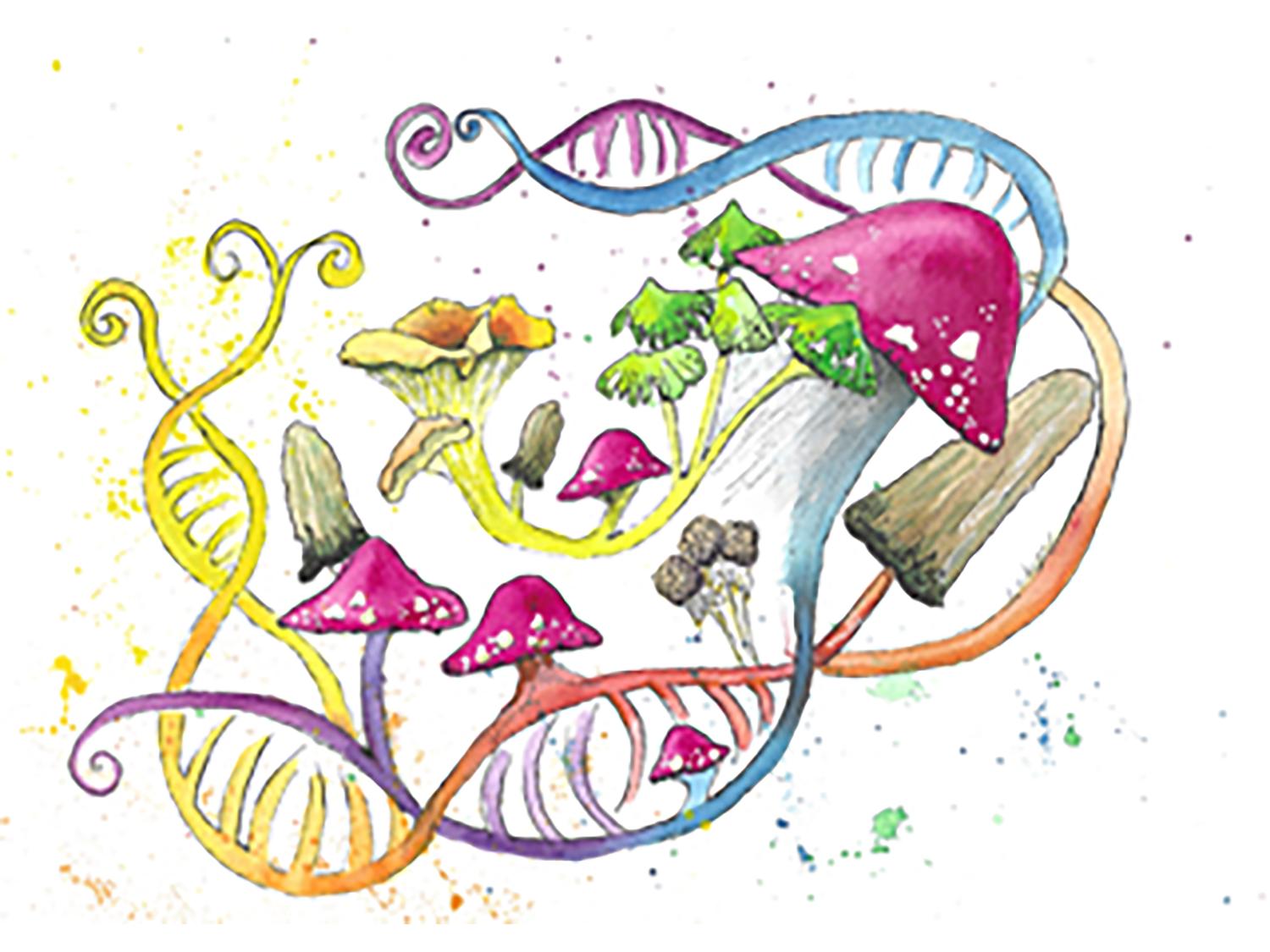 A watercolor artist’s interpretation of the relationship between the human genome and gut mycobiome. A new genome-wide study by researchers at Penn State uncovered evidence of the first three-way relationships between human genetic variation, variation in the fungal component of the human microbiome — known as the mycobiome — and risk of developing chronic disease. Credit: Amy Bean/Creative Commons. All Rights Reserved.
<関連情報>
- https://www.psu.edu/news/eberly-college-science/story/connection-among-gut-fungi-genetics-and-disease-risk-humans-identified
- https://journals.plos.org/plosbiology/article?id=10.1371/journal.pbio.3003339
腸内真菌はヒトの遺伝的変異と疾患リスクに関連している Gut fungi are associated with human genetic variation and disease risk
Emily P. Van Syoc ,Emily R. Davenport,Seth R. Bordenstein
PLOS Biology Published: September 2, 2025
DOI:https://doi.org/10.1371/journal.pbio.3003339
Abstract
Human genetic determinants of the gut mycobiome remain uninvestigated despite decades of research highlighting tripartite relationships between gut bacteria, genetic background, and disease. Here, we present the first genome-wide association study on the number and types of human genetic loci influencing gut fungi relative abundance. We detect 148 fungi-associated variants (FAVs) across 7 chromosomes that statistically associate with 9 fungal taxa. Of these FAVs, several occur in the protein-coding genes PTPRC, ANAPC10, NAV2, and CDH13. Additional FAVs link to tissue-specific gene expression as fungi-associated expression quantitative trait loci. Notably, the relative abundance of gut yeast Kazachstania associates with genetic variation in CDH13 encoding T-cadherin, a protein linked to cardiovascular disease. Kazachstania forms a causal relationship with cardiovascular disease risk in a mendelian two-sample randomization analysis. These findings establish previously unrecognized connections between human genetics, gut fungi, and chronic disease, broadening the paradigm of human-microbe interactions in the gut to the mycobiome.