2025-10-15 バージニア工科大学(Virginia Tech)
<関連情報>
- https://news.vt.edu/articles/2025/10/research_fralinbiomed_difeglp1au.html
- https://www.nature.com/articles/s41598-025-17927-w
肥満者におけるアルコール摂取中のGLP-1受容体作動薬の生理学的および知覚的影響に関する予備研究 A preliminary study of the physiological and perceptual effects of GLP-1 receptor agonists during alcohol consumption in people with obesity
Fatima Quddos,Mary Fowler,Ana Carolina de Lima Bovo,Zacarya Elbash,Allison N. Tegge,Kirstin M. Gatchalian,Anita S. Kablinger,Alexandra G. DiFeliceantonio & Warren K. Bickel
Scientific Reports Published:15 October 2025
DOI:https://doi.org/10.1038/s41598-025-17927-w
Abstract
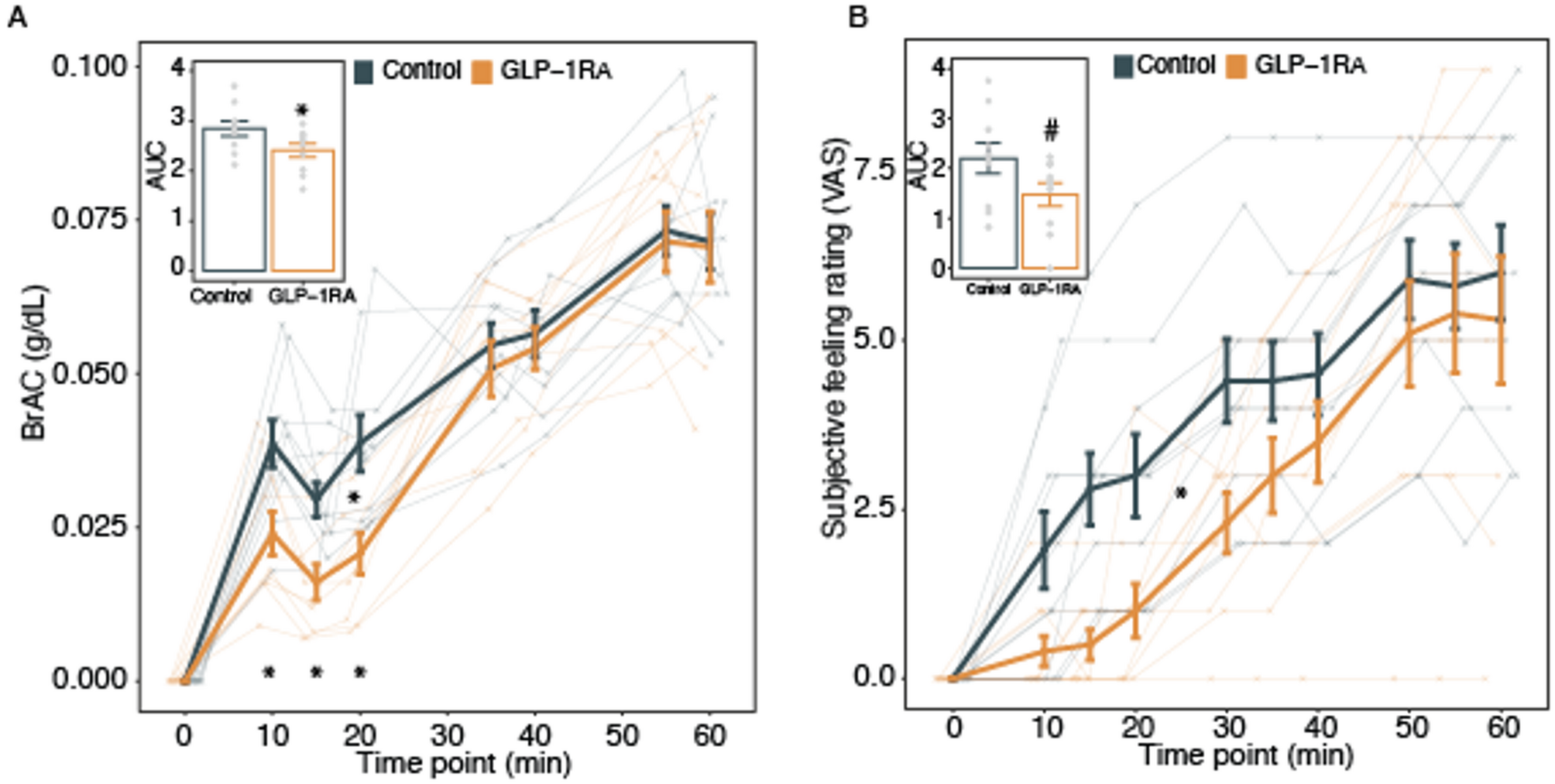
Any increase in alcohol use is associated with an increase in risk of illness and mortality and consequences of chronic alcohol use include cancer, hypertension, heart and liver disease, and Alcohol Use Disorder. Glucagon-like peptide-1 receptor agonists (GLP-1RAs) are effective anti-glycemic and weight-loss medications with a strong safety record. There is substantial preclinical evidence and mounting retrospective and prospective randomized controlled trial evidence that GLP-1RAs could be effective for reducing alcohol consumption. However, the mechanism by which GLP-1RAs reduce alcohol intake remains unclear. While medications that reduce alcohol intake such as naltrexone and acamprosate have central nervous system action, disulfiram reduces alcohol intake through peripheral mechanisms. Here, we test whether GLP-1RAs alter alcohol’s peripheral pharmacokinetics as a potential mechanism of action for their alcohol intake suppressive effects. In this pilot study, 20 (1:1) participants with obesity in the GLP-1RA or control group consumed a challenge dose of alcohol, and we measured breath alcohol (BrAC) and the subjective effects of alcohol. We observed a delayed rise in BrAC and subjective effects in the GLP-1RA group as compared to controls, that was not explained by nausea. These data provide preliminary evidence that GLP-1RAs could act through peripheral mechanisms to suppress alcohol intake.