
2025-10-23 筑波大学
<関連情報>
- https://www.tsukuba.ac.jp/journal/biology-environment/20251023000000.html
- https://www.tsukuba.ac.jp/journal/pdf/p20251023000000.pdf
- https://www.nature.com/articles/s41586-025-09670-z
ショウジョウバエにおいてカルシウム動員を司る神経内分泌機構 Neuroendocrine control of calcium mobilization in the fruit fly
Naoki Okamoto,Yosuke Mizuno,Akira Watanabe,Hiroshi Kohsaka & Ryusuke Niwa
Nature Published:22 October 2025
DOI:https://doi.org/10.1038/s41586-025-09670-z
Abstract
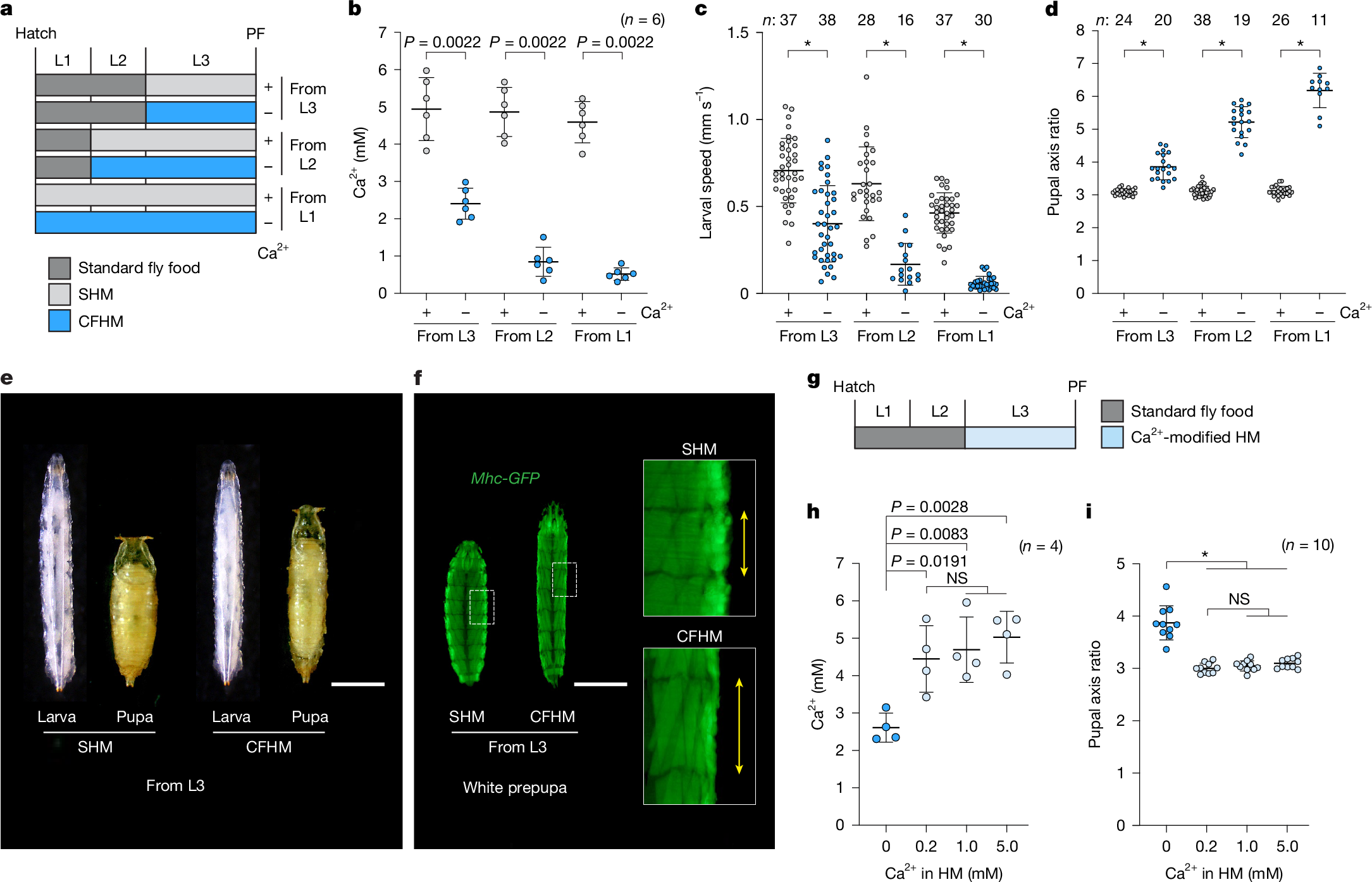
Calcium (Ca2+) is an essential mineral that must be strictly regulated to support numerous physiological activities1,2. Extracellular fluid Ca2+ is regulated in vertebrates through endocrine systems that manage the vast Ca2+ reservoir in the bones3,4,5,6, but the Ca2+ regulatory mechanisms used by invertebrates, which lack bones, remain largely unclear. Here we identified a potent peptide hormone, Capa, which is responsible for regulating extracellular fluid Ca2+ levels in the fruit fly Drosophila melanogaster. Capa-deficient larvae exhibit low haemolymph Ca2+ levels, resulting in reduced locomotion and induced elongated pupae that mimic those of animals reared on a Ca2+-free diet. Capa secreted from specific neurosecretory cells acts on specialized Ca2+ storage compartments in the anterior Malpighian tubules, elevating haemolymph Ca2+. This endocrine mechanism governing Ca2+ regulation in terrestrial invertebrates resembles the parathyroid hormone system in vertebrates.

