2025-10-13 中国科学院(CAS)

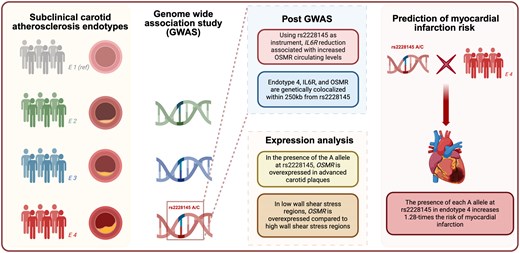
Brg1-imprinted chromatin status controls the effector and memory group 2 innate lymphoid cell metabolism to exacerbate allergic lung inflammation. (Image provided by Dr. QIU Ju’s group)
<関連情報>
- https://english.cas.cn/newsroom/research_news/life/202510/t20251022_1090001.shtml
- https://www.jacionline.org/article/S0091-6749(25)00948-0/fulltext
Brg1インプリントクロマチン状態はエフェクターおよびメモリーグループ2自然リンパ球細胞の代謝を制御し、アレルギー性肺炎症を悪化させる Brg1-imprinted chromatin status controls effector and memory group 2 innate lymphoid cell metabolism to exacerbate allergic lung inflammation
Jupei Tang, PhD ∙ Hanxiao Sun, MD ∙ Huidan Chang, MS ∙ … ∙ Jinxin Qiu, PhD∙ Jun Qin, PhD ∙ Ju Qiu, PhD
The Journal of Allergy and Clinical Immunology Published:September 17, 2025
DOI:https://doi.org/10.1016/j.jaci.2025.08.029
Abstract
Background
The chromatin status fluctuates with effector and memory group 2 innate lymphoid cell (ILC2) responses. How this intricate coordination affects allergic lung inflammation remains unclear.
Objective
We examined how the chromatin remodeler brahma-related gene 1 (Brg1) regulates ILC2s in allergic lung inflammation.
Methods
Acute lung allergic inflammation was induced with papain in wild-type, Il5Cre/+Smarca4flox/flox (Smarca4f/f), Il5Cre/+Hif1af/f, and Il5Cre/+Ldhaf/f mice. Secondary lung inflammation was induced with low-dose IL-33 in papain-primed Il5Cre/+Smarca4f/f mice. ATAC-Seq, RNA sequencing, and Brg1 CUT&Tag analyses were performed on naive ILC2s, effector ILC2s (ILC2eff), memory ILC2s (ILC2mem), IL-33–challenged Brg1-deficient ILC2s, Brg1-deficient ILC2mem, and human ILC2s treated with or without the Brg1 inhibitor Compound 14. ILC2 metabolism was analyzed by 13C glucose isotype tracing and metabolic flux, Seahorse, and SCENITH assays. Compound 14 was used to treat mouse and humanized mouse models of allergic lung inflammation.
Results
Brg1 expression was upregulated in asthma patients’ ILC2s and was induced by IL-33. Brg1 promoted IL-5+ and IL-13+ ILC2 expansion and exacerbated both acute and secondary lung inflammation. Brg1 imprinted the chromatin landscape favoring aerobic glycolysis, the metabolic process reinforced in ILC2eff and ILC2mem. Brg1-augmented Hif1a enhancer accessibility was a sustained epigenetic signature in ILC2mem inherited from ILC2eff, and Hif1α enhanced ILC2eff and ILC2mem responses. Pharmacologic inhibition of Brg1, rather than dexamethasone treatment, in acute phase alleviated secondary lung inflammation.
Conclusion
Brg1 promotes the expansion of pathogenic ILC2eff and ILC2mem and exacerbates allergic lung inflammation. Mechanistically, Brg1 increases the chromatin accessibility and transcription of Hif1a and Ldha, key factors reinforcing ILC2 glycolysis metabolism.