2025-10-29 国立成育医療研究センター
<関連情報>
- https://www.ncchd.go.jp/press/2025/1029.html
- https://www.ncchd.go.jp/press/assets/1029.pdf
- https://www.sciencedirect.com/science/article/abs/pii/S0013935125020079
妊娠中の母体血中金属濃度と子供のBMI Zスコア、過体重、肥満:日本環境子ども調査の調査結果 Maternal blood metal levels during pregnancy and body mass index z-score, overweight, and obesity among children: Findings of the Japan Environment and Children’s Study
Limin Yang, Miori Sato, Mayako Saito-Abe, Yumiko Miyaji, Daisuke Harama, Kei Sakamoto, Minaho Nishizato, Natsuhiko Kumasaka, Hidetoshi Mezawa, Kiwako Yamamoto-Hanada, Yukihiro Ohya, Maki Fukami, Japan Environment and Children’s Study (JECS) Group
Environmental Research Available online: 5 September 2025
DOI:https://doi.org/10.1016/j.envres.2025.122755
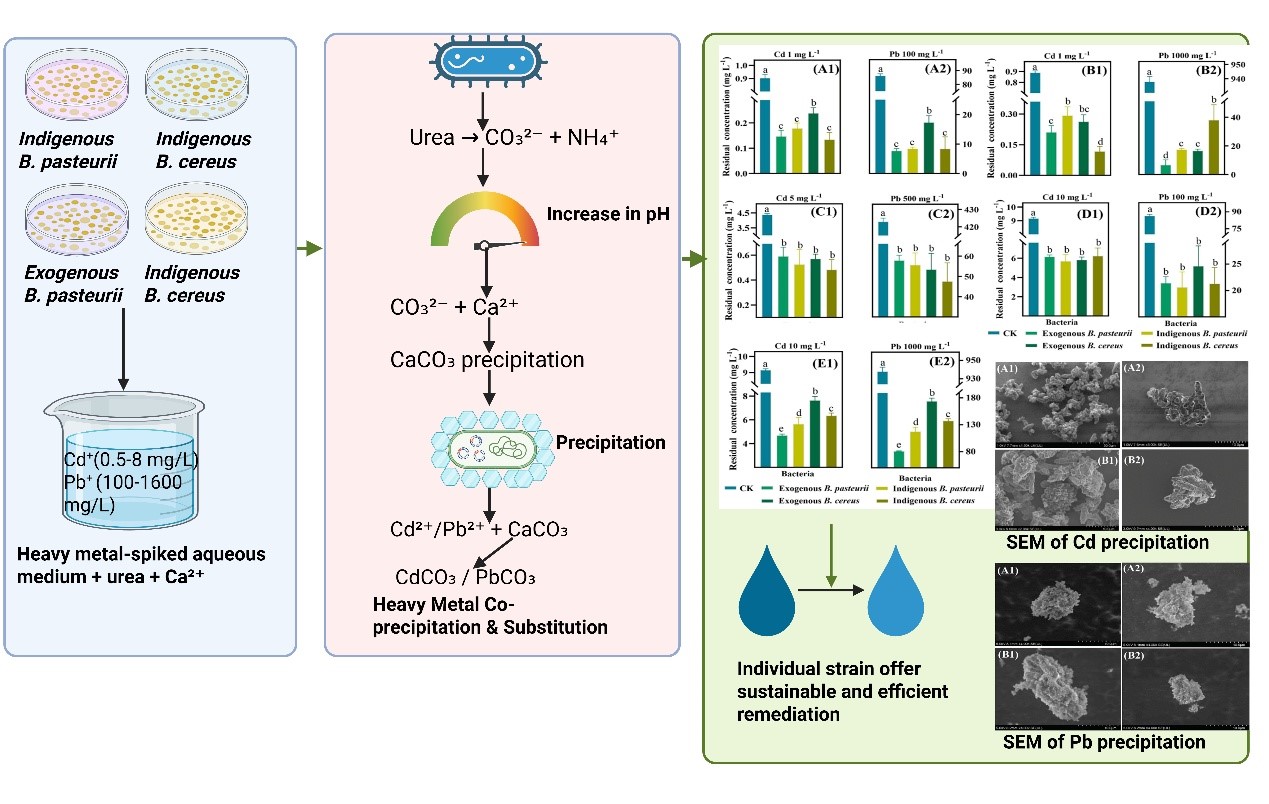
Graphical abstract

Highlights
- Hg, Pb and Cd associated with decreased zBMI.
- Hg associated with decreased odds for being the late-onset or persistent obesity.
- A simultaneous increase in Pb, Cd, Hg, and Mn lead to decreased zBMI at 4 years.
- The associations mentioned above were very weak.
Abstract
This study explored the association between maternal blood lead, cadmium, mercury, and manganese concentrations during pregnancy and body mass index z-scores (zBMI), overweight, and obesity among children aged 0–4 years based on data from the Japan Environment and Children’s Study (JECS). After data selection, 93,782 mother–child pairs were selected for analysis. Associations between prenatal metal exposure and obesity in children were explored using the generalized estimating equation (GEE), latent class growth analysis (LCGA), and quantile g-computation models. After adjusting for confounders, mercury (Hg) showed a very weak opposite association with zBMI, overweight, and obesity according to the GEE model. A one-unit increase in the log2(Hg) was associated with an approximately 3 % reduction in the odds of obesity. Similarly, lead and cadmium were associated with a slight reduction in zBMI. Results from the LCGA model showed that increased mercury exposure was associated with reduced odds of belonging to the late-onset or persistent obesity trajectory groups. The mixture effect from the quantile g-computation model indicated the same direction of association. A one-quartile simultaneous increase in the lead, cadmium, mercury, and manganese concentrations was associated with a 0.024 reduction in zBMI and the risk of overweight and obesity (approximately 4.6 % and 6.4 %, respectively). Extremely weak negative associations were observed between prenatal metal exposure and zBMI, overweight, and obesity during early childhood. However, given the weak effect size, we acknowledge that prenatal metal exposure does not significantly influence childhood obesity from a public health and clinical perspective.