2025-11-03 シンガポール国立大学(NUS)
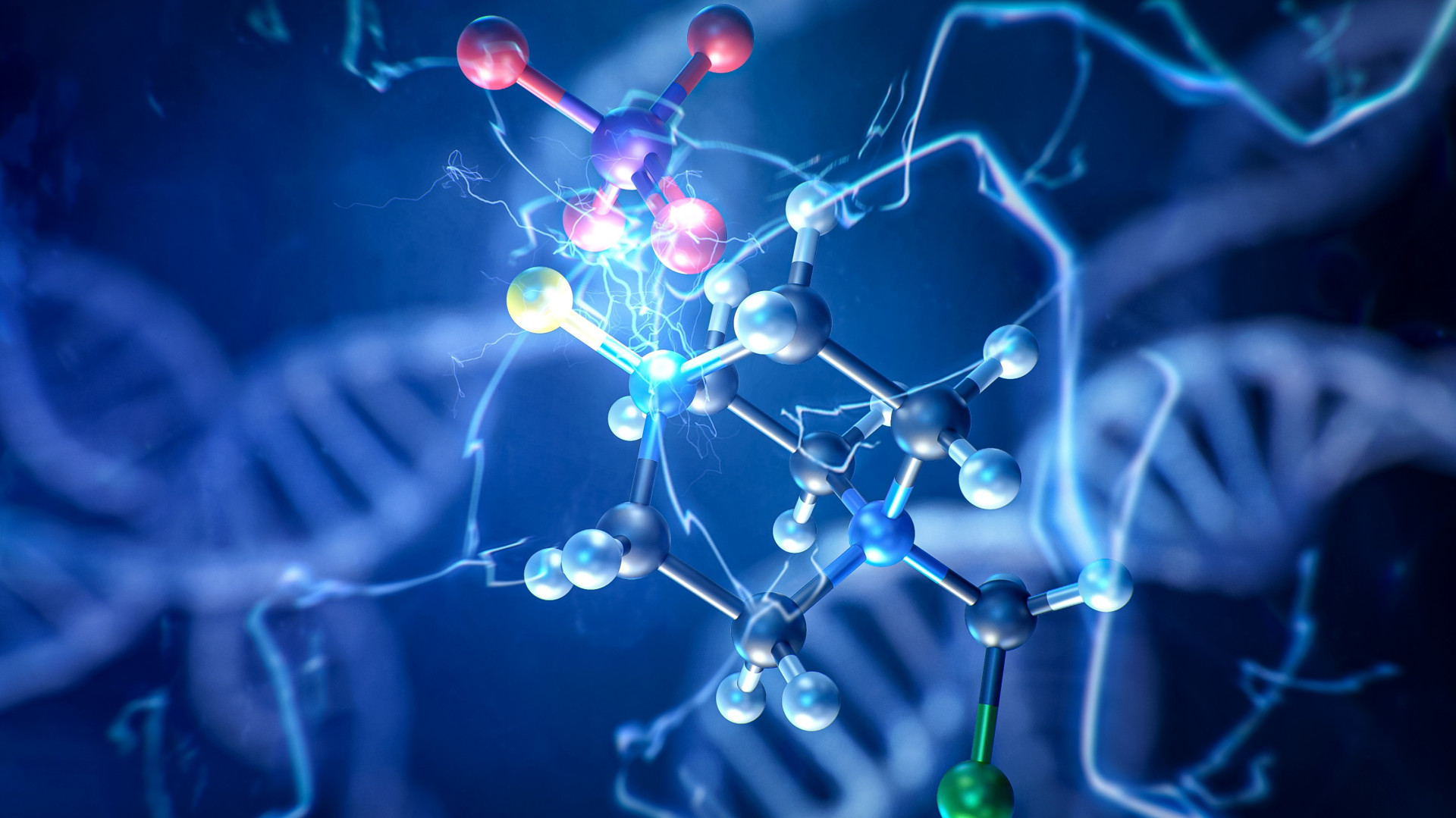 Ionic interactions involving DNA phosphates are ubiquitous and essential across all kingdoms of life. For the first time, their catalytic potential has been demonstrated in a variety of asymmetric transformations through ion-pairing interactions in water. (Credit: National University of Singapore)
<関連情報>
- https://news.nus.edu.sg/biocatalysis-dna-phosphates-chiral-catalysts/
- https://www.nature.com/articles/s41929-025-01437-z
DNAリン酸は水中での不斉イオン対触媒に有効な触媒である DNA phosphates are effective catalysts for asymmetric ion-pairing catalysis in water
Zhaoyang Li,Yang Zheng,Qi Zhao,Yihan Li,Adon Yap,Xinglong Zhang & Ru-Yi Zhu
Nature Catalysis Published:31 October 2025
DOI:https://doi.org/10.1038/s41929-025-01437-z
Abstract
Ionic interactions between DNA phosphates and positively charged amino acid residues in aqueous environments are ubiquitous and essential across all biological systems. Such interactions are readily disrupted by polar solvents according to Coulomb’s law, which accounts for the predominant use of non-polar or weakly polar organic solvents in chiral phosphate-mediated asymmetric organocatalysis. This intriguing discrepancy prompted us to exploit the possibility of conducting asymmetric catalysis in water with intrinsically chiral and abundant DNA phosphates. Here we experimentally and computationally demonstrate that DNA phosphates play a critical role in rate acceleration and stereoinduction through ion-pairing interactions with cationic reagents, featuring a cation-dependent dynamic and adaptive nature of the DNA catalyst rarely seen in highly specific enzymatic systems.