2025-11-20 カリフォルニア大学リバーサイド校(UCR)
<関連情報>
- https://news.ucr.edu/articles/2025/11/20/community-program-boosts-diet-fitness-and-disease-prevention-rural-latino
- https://bmcpublichealth.biomedcentral.com/articles/10.1186/s12889-025-25081-1
¡Coma , Muévase y Viva! : 南カリフォルニア内陸部の農村砂漠地帯におけるラテン系女性に対する食生活とライフスタイルの変化に関する質的調査結果 ¡Coma, Muévase y Viva!: qualitative findings from a dietary and lifestyle change intervention for Latinas in the rural desert region of Inland Southern California
Jacqueline Moreira,Andrea Gonzalez,Jair Chavez,Noah Baltrushes & Ann Marie Cheney
BMC Public Health Published:19 November 2025
DOI:https://doi.org/10.1186/s12889-025-25081-1
Abstract
Background
Racial-ethnic minorities experience inequities that contribute to chronic disease burden. Subpopulations of Latinos such as those living in rural communities have their own unique health needs and barriers to chronic disease management and control. Interventions culturally tailored to the distinct needs of diverse Latinos are ideal to address inequities in health. This study examined the perceptions and experiences of participants engaged in a dietary and lifestyle behavior change curriculum, ¡Coma, Muévase y Viva! a public health intervention tailored for rural Latinx immigrant populations.
Methods
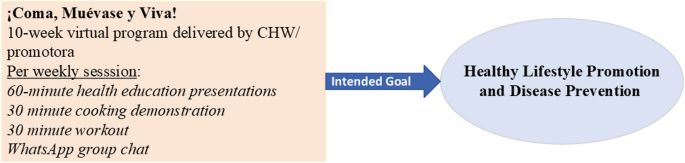
A qualitative evaluation, involving focus groups and observations, of the perceived effects of an adapted version of a dietary and lifestyle curriculum on health outcomes was conducted in fall/winter 2022 in Inland Southern California. The curriculum is a 10-week virtual intervention with weekly 120-minute classes featuring health education, physical activity, and cooking demonstrations.
Results
A total of 20 Latina women (mean age 45 ± 23 years) participated in the study. The majority identified as Latinx/Hispanic: 80% indicated Spanish as their primary language, and 70% were originally from Mexico. Half (50%) had not completed high school, 50% reported household incomes below $25,000, and 40% were uninsured. Most (85%) were concerned about obesity with 70% meeting the criteria for obesity. Participants perceived the curriculum as increasing their knowledge and awareness of chronic disease prevention, which contributed to improvements in dietary behaviors (e.g., increased fruit and vegetable consumption, reduced intake of sugary beverages) and physical activity. These changes, observed following the intervention, resulted in self-reported weight loss as well as enhanced physical agility, confidence, and ability to manage chronic diseases. Participants were highly satisfied with the intervention, suggesting that the curriculum’s accessibility and cultural relevance contributed to its acceptability.
Conclusions
The culturally tailored ¡Coma, Muévase y Viva!, intervention offers a promising curriculum to increase access to public health education and promote chronic disease prevention and management in low-income, rural immigrant populations through changes in diet and lifestyle.