2025-12-02 オックスフォード大学
<関連情報>
- https://www.ox.ac.uk/news/2025-12-02-new-study-warns-creeping-catastrophy-climate-change-drives-global-rise-infectious
- https://www.nature.com/articles/s41598-025-22573-3
拡大の危機にある感染症とその要因に関する世界的な視点 Global perspectives on infectious diseases at risk of escalation and their drivers
Ryan James Walker,Paul Tunde Kingpriest,Jenny Gong,Molly Naisanga,Mir Nabila Ashraf,Javier Roberti & Trudie Lang
Scientific Reports Published:04 November 2025
DOI:https://doi.org/10.1038/s41598-025-22573-3
Abstract
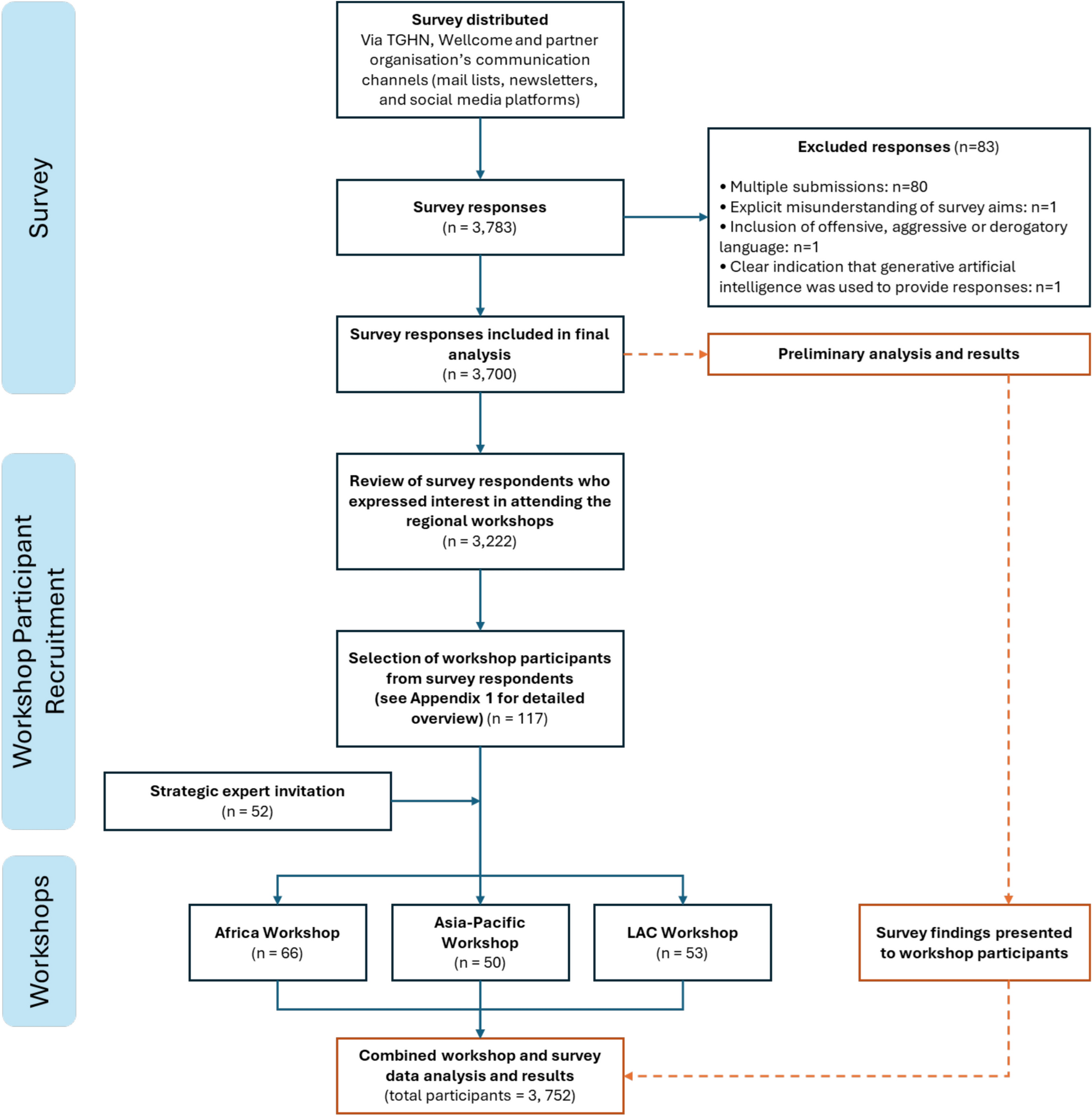
Infectious disease burden is dynamic and devastating across the globe. We need to better understand and predict these threats to mitigate harm from new, re-emergent and endemic pathogens. 3,752 globally diverse participants took part in this two-step, mixed-methods adapted Delphi study. Firstly, an online survey asked health workers and researchers to identify the infectious diseases they considered to be at greatest risk of escalation in their setting, along with the factors driving this. Secondly, structured thematic workshops were hosted in Africa, Asia and Latin America, to allow in-depth exploration of the factors driving the prioritisation of these diseases. Participants considered the primary threat to be the escalation of high burden, endemic diseases, rather than emerging or re-emerging pathogen outbreaks. This was driven by the high prioritisation of vector-borne diseases (primarily malaria and dengue), tuberculosis, and HIV/AIDS. Whilst the main finding from survey responses (n = 3,700) identified growing concern over tuberculosis, participants in the subsequent workshops (n = 169) emphasised the increasing threat of vector-borne diseases. Participants considered the impact of climate change, socioeconomic factors and increasing drug resistance patterns to be driving the escalation of these diseases. This study provides striking new insight into priority infection threats due to the large scale of participation, breadth of stakeholder experience, and wide global representation. These factors allowed us to accurately determine the consensus of a substantial component of the global infectious disease research community and share unprecedented insights from the lived experience of researchers and health workers in low resource settings. We consider these perspectives particularly valuable given the absence of biological data that concurrently assesses all infectious diseases across global regions at a single point in time. Our findings represent an important new evidence-based alarm call; the next pandemic may not be a sudden event, but a slow, ‘creeping catastrophe’, impacting the most impoverished regions and communities. We need to respond now, having heard these important, consistent opinions from these previously unheard and collective voices.