2026-01-21 ジョンズ・ホプキンス大学
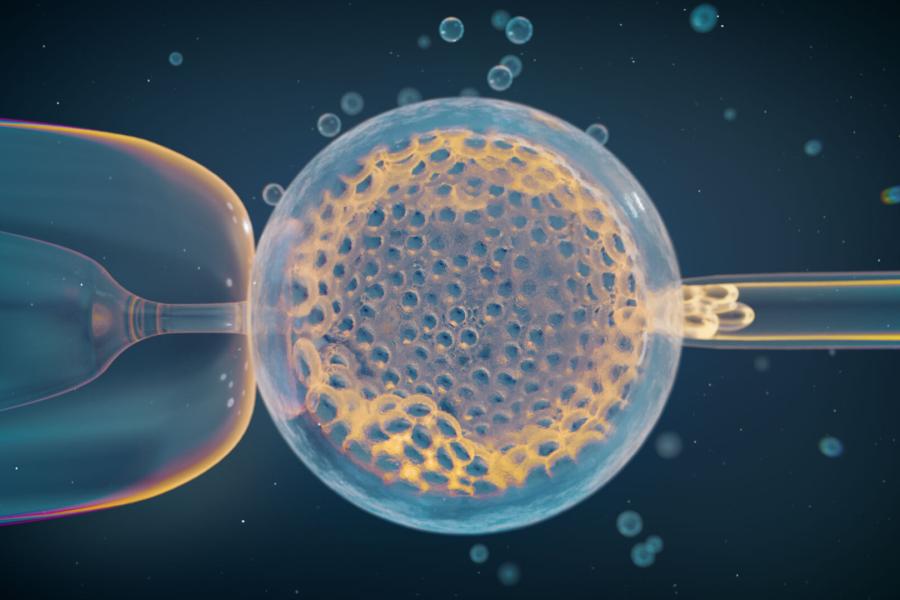
A routine IVF embryo biopsy for clinical genetic testing, which provided the large-scale genetic data analyzed in this study.Credit:Thom Leach / Amoeba Studios
<関連情報>
- https://hub.jhu.edu/2026/01/21/genetic-factors-influencing-pregnancy-loss/
- https://www.nature.com/articles/s41586-025-09964-2
減数分裂遺伝子の共通変異がヒトの組換えと異数性を形作る Common variation in meiosis genes shapes human recombination and aneuploidy
Sara A. Carioscia,Arjun Biddanda,Margaret R. Starostik,Xiaona Tang,Eva R. Hoffmann,Zachary P. Demko & Rajiv C. McCoy
Nature Published:21 January 2026
DOI:https://doi.org/10.1038/s41586-025-09964-2
Abstract
The leading cause of human pregnancy loss is aneuploidy, often tracing to errors in chromosome segregation during female meiosis1,2. Although abnormal crossover recombination is known to confer risk for aneuploidy3,4, limited data have hindered understanding of the potential shared genetic basis of these key molecular phenotypes. To address this gap, we performed retrospective analysis of pre-implantation genetic testing data from 139,416 in vitro fertilized embryos from 22,850 sets of biological parents. By tracing transmission of haplotypes, we identified 3,809,412 crossovers, as well as 92,485 aneuploid chromosomes. Counts of crossovers were lower in aneuploid versus euploid embryos, consistent with their role in chromosome pairing and segregation. Our analyses further revealed that a common haplotype spanning the meiotic cohesin SMC1B is associated significantly with both crossover count and maternal meiotic aneuploidy, with evidence supporting a non-coding cis-regulatory mechanism. Transcriptome- and phenome-wide association tests also implicated variation in the synaptonemal complex component C14orf39 and crossover-regulating ubiquitin ligases CCNB1IP1 and RNF212 in meiotic aneuploidy risk. More broadly, variants associated with aneuploidy often showed secondary associations with recombination, and several also exhibited associations with reproductive ageing traits. Our findings highlight the dual role of recombination in generating genetic diversity, while ensuring meiotic fidelity.