2026-02-18 理化学研究所

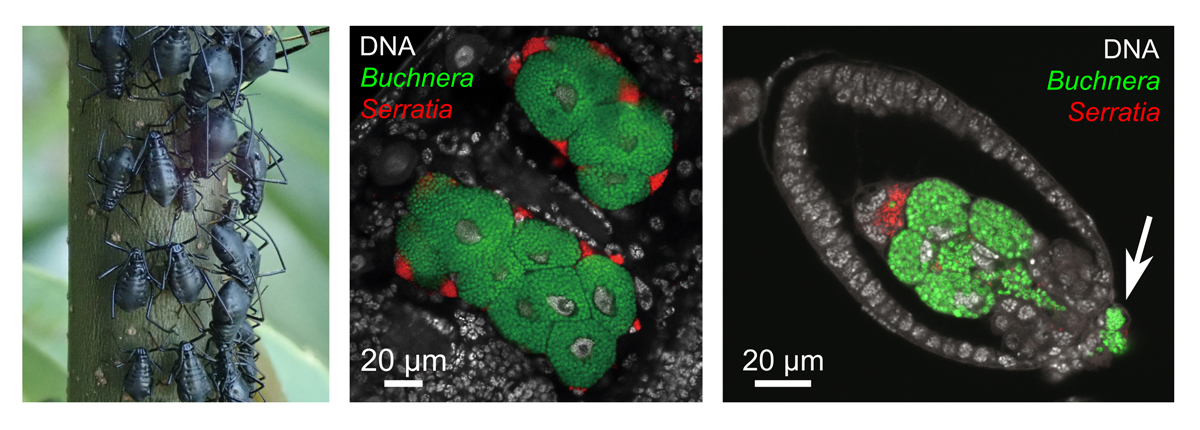
共生細菌(YL27: Muribaculum intestinale)が胃で組織防御に働くメカニズム図
<関連情報>
- https://www.riken.jp/press/2026/20260218_1/index.html
- https://www.mucosalimmunology.org/article/S1933-0219(26)00007-3/fulltext
線維芽細胞は常在菌由来の代謝物を感知し、胃におけるグループ2自然リンパ球依存性防御を制御する Fibroblasts sense commensal-derived metabolites and regulate group 2 innate lymphoid cells-dependent defense in the stomach
Naoko Satoh-Takayama ∙ Yuko Shigeno ∙ Ritsu Nagata ∙ … ∙ Ayumi Ito ∙ Yoshimi Benno ∙ Hiroshi Ohno
Mucosal Immunology Published:February 18, 2026
DOI:https://doi.org/10.1016/j.mucimm.2026.01.007
Abstract
Group 2 innate lymphoid cells (ILC2s) contribute to mucosal homeostasis and initiate immune responses against gastrointestinal pathogens, including those that target the stomach. However, the role of commensal bacteria in promoting stomach immunity is unknown. Here, we report that YL27, a commensal bacterium from the family Muribaculaceae, modulates stomach ILC2s and their associated immune effector functions. Activation of stomach ILC2s was initiated by a subset of IL-33-producing fibroblasts in response to acetate, a metabolite of YL27, via its receptor GPR43. ILC2s-derived IL-13 was required for the induction of Muc1 expression in the epithelium and contributed to protection from H. pylori infection. Thus, these findings demonstrate that ILC2s-mediated immune responses in the stomach are initiated by interactions between commensal bacteria and fibroblasts, and highlight the role of commensals in the innate response to pathogenic bacteria for the first line of mucosal defense.