2026-03-30 ノースウェスタン大学
<関連情報>
- https://news.northwestern.edu/stories/2026/03/gut-bacteria-influence-social-behavior-through-smell
- https://www.cell.com/current-biology/fulltext/S0960-9822(26)00298-8
マイクロバイオーム由来の嗅覚シグナルがマウスの雄間攻撃行動と社会的優位性を制御する A microbiome-derived olfactory signal regulates inter-male aggression and social dominance in mice
Annika Cichy ∙ Adam Dewan ∙ Zhuoling He ∙ … ∙ Jingji Zhang ∙ Paul Feinstein ∙ Thomas Bozza
Current Biology Published:March 30, 2026
DOI:https://doi.org/10.1016/j.cub.2026.03.009
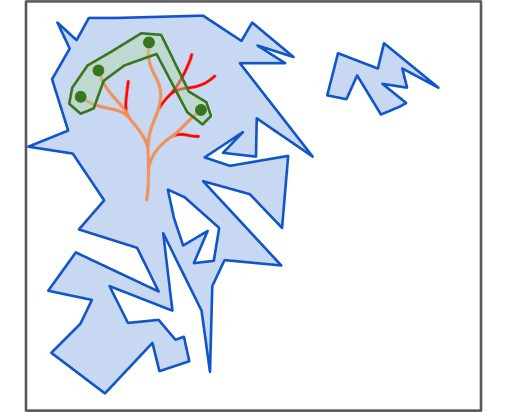
Graphical abstract

Highlights
- TAAR5 deletion alters aggression and social dominance in male mice
- The effect of TAAR5 on social behavior occurs via the main olfactory pathway
- Blocking production of the TAAR5 ligand TMA by gut microbes reduces aggression
- A microbiome-derived chemical cue shapes mammalian social behavior via olfaction
Summary
Many species use microbiome-derived metabolites as chemosensory cues, yet the chemicals involved and the sensory pathways that detect and process them remain poorly understood. Trimethylamine (TMA) is a volatile metabolite that is produced by the gut microbiome and selectively accumulated in the urine of sexually mature male mice. Here, we show that TMA regulates inter-male aggression and social dominance by activating trace amine-associated receptor 5 (TAAR5) in the main olfactory system. In wild-type mice, early aggressive behavior during male-male encounters strongly predicts eventual social status: dominant males initiate more attacks, whereas subordinate males display more defensive behaviors. Deletion of TAAR5 eliminated this asymmetry, with dominant and subordinate mice showing similar levels of aggressive and defensive behaviors. Strikingly, restoring TAAR5 expression in olfactory sensory neurons (OSNs) rescued the behavioral asymmetry, indicating that this effect is mediated by the main olfactory system and arguing against contributions from proposed TAAR5 expression in the brain. Finally, pharmacological suppression of microbial TMA production reduced inter-male aggression, and this effect was reversed by painting treated males with TMA, showing that microbiome-derived TMA is the key volatile ligand for TAAR5 in this context. Taken together, our findings identify TMA as a critical olfactory cue that signals the presence of sexually mature males and facilitates social hierarchy formation. More broadly, our results demonstrate that a microbiome-derived metabolite can shape mammalian social interactions through the main olfactory system and uncover a previously unrecognized role for the TAAR family in regulating social behavior.