2025-08-22 ミネソタ大学

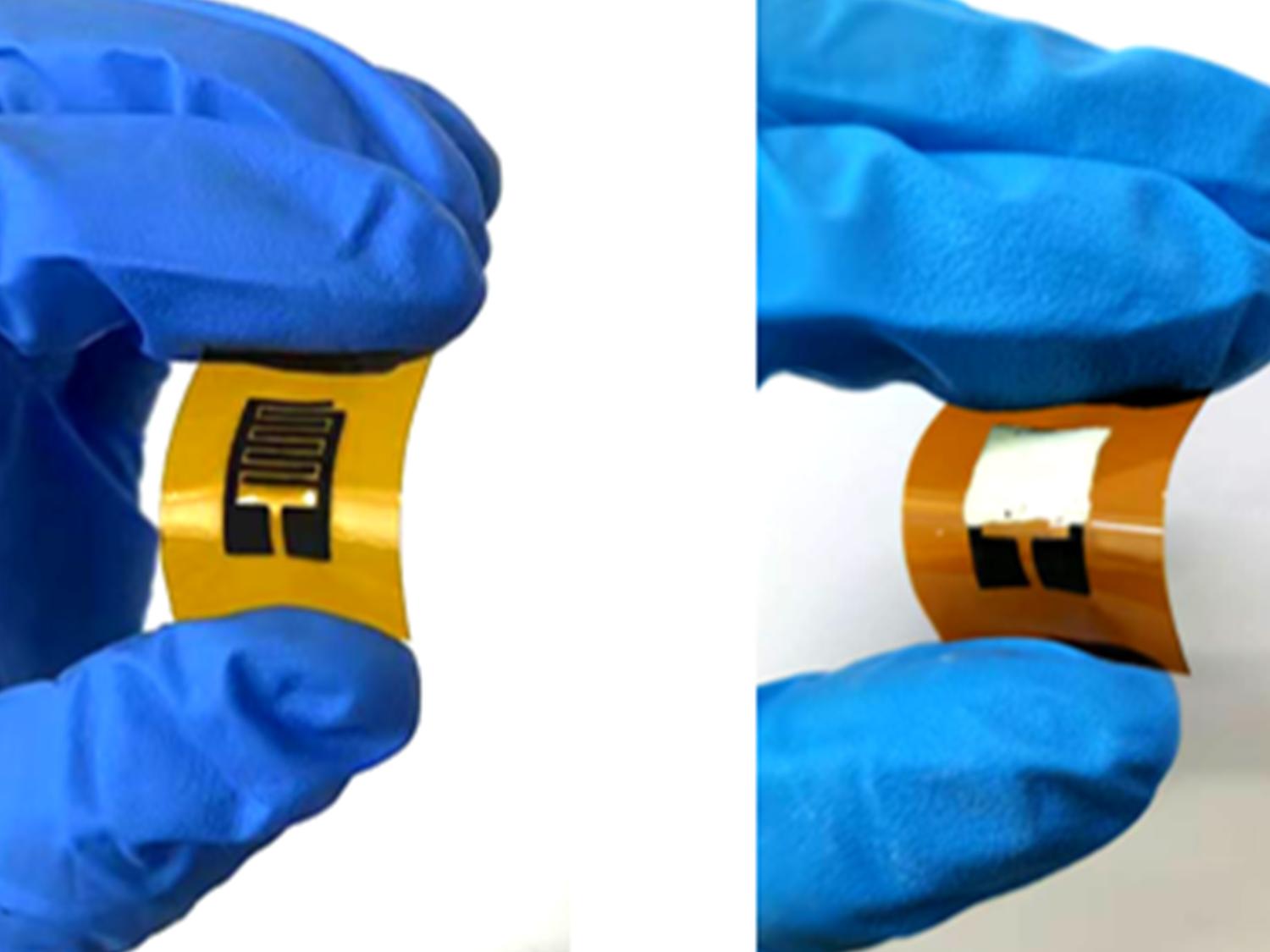
New research combines 3D printing, stem cell biology, and lab-grown tissues for possible treatments of spinal cord injuries. Photo provided by: McAlpine Research Group, University of Minnesota
<関連情報>
- https://cse.umn.edu/college/news/breakthrough-3d-printed-scaffolds-offers-hope-spinal-cord-injury-recovery
- https://advanced.onlinelibrary.wiley.com/doi/10.1002/adhm.202404817
3Dプリントされた足場は脊髄損傷に使用するための強化された脊髄オルガノイドの形成を促進する 3D-Printed Scaffolds Promote Enhanced Spinal Organoid Formation for Use in Spinal Cord Injury Advanced Healthcare Materials Published: 23 July 2025 DOI:https://doi.org/10.1002/adhm.202404817
Abstract
The transplantation of regionally specific spinal neural progenitor cells (sNPCs) has shown promise for functional restoration after spinal cord injury (SCI) by forming connections with host neural circuits. Here, 3D-printed organoid scaffolds for transplantation using clinically relevant human induced pluripotent stem cell-derived regionally specific sNPCs is developed. Scaffolds with microscale channels are printed, and sNPCs are subsequently printed within these channels. The scaffolds direct axonal projections along the channels and guide the cells to simulate in vivo-like conditions, leading to more effective cell maturation and the development of neuronal networks crucial for restoring function after SCI. The scaffolds, with organoids assembled along their lengths, are transplanted into the transected spinal cords of rats. This significantly promotes the functional recovery of the rats. At 12 weeks post-transplantation, the majority of the cells in the scaffolds differentiate into neurons and integrate into the host spinal cord tissue. These results demonstrate their potential to create a relay system along the spinal cord and form synapses in both the rostral and caudal directions relative to the scaffold. It is envisioned that combining sNPCs, organoid assembly, and 3D printing strategies can ultimately lead to a transformative treatment approach for SCI.
Graphical Abstract
3D-printed organoid scaffolds with microscale channels are developed to enhance spinal cord injury recovery by guiding region-specific spinal neural progenitor cells. These scaffolds promote axonal growth, cell maturation, and neuronal network formation. When transplanted into rat spinal cords, they significantly improve functional recovery, showing promise for treating spinal cord injuries by creating a relay system.