2026-09-25 国立循環器病研究センター
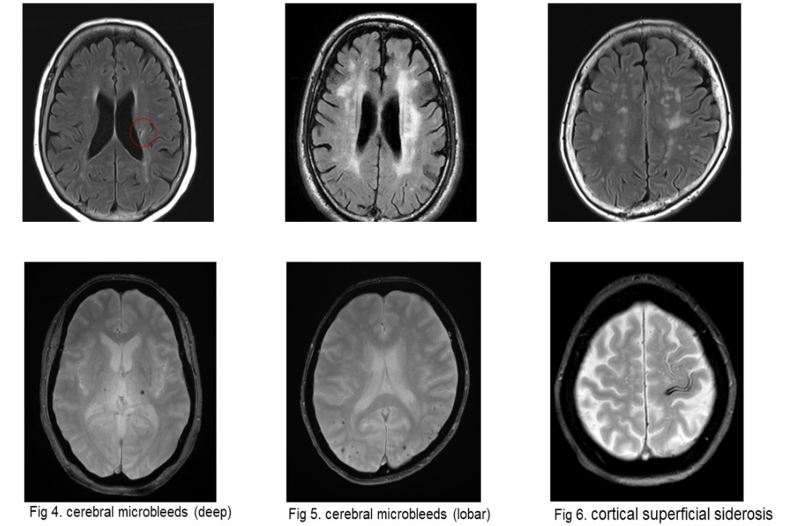
図. 脳小血管病(SVD)の各表現型
<関連情報>
- https://www.ncvc.go.jp/hospital/topics/topics_38086/
- https://journals.sagepub.com/doi/10.1177/0271678X261490344
速報:潜在性脳小血管疾患と自然発生性脳出血後の転帰 EXPRESS: Covert cerebral small vessel disease and outcomes after spontaneous intracerebral hemorrhage
Kaori Miwa, Kazunori Toyoda, […], and Masatoshi Koga
Journal of Cerebral Blood Flow and Metabolism Published:September 10, 2026
DOI:https://doi.org/10.1177/0271678X261490344
Abstract
The prognostic implications of covert cerebral small vessel disease (SVD) in spontaneous intracerebral hemorrhage (ICH) remain unclear. We investigated associations of SVD markers with hematoma severity and functional outcomes in patients with ICH. SVD markers (white matter hyperintensities [WMH], cerebral microbleeds [CMBs], lacunes, and cortical superficial siderosis [cSS]) were assessed. Outcomes included hematoma volume, hematoma expansion, and disability or death (mRS4–6 at 90 days and 1 year). Of 1,660 patients who underwent MRI (mean age:70±13years, 43% female), 397 had lobar (143 CAA-related) and 1,263 had deep ICH. In lobar ICH, confluent WMH (β=−0.29, 95%CI−0.54 to −0.01) and mixed CMB (β=−0.72[−1.02 to −0.42]) were associated with smaller hematoma volume, and cSS was associated with hematoma expansion (OR, 1.97[1.03–3.79]). In deep ICH, confluent WMH (β=−0.25[−0.41 to −0.09]), ≥5mixed CMBs (β=−0.17[−0.34 to −0.01]), and lacune(β=−0.21[−0.34 to −0.06]) were associated with smaller hematoma volume. Confluent WMH and mixed CMBs were also associated with poor functional outcome at 90 days (aOR 1.71[1.16–2.51] and 1.52[1.02–2.24]) and 1 year (aOR, 1.56[1.06–2.23] and 1.42[1.01–1.99]), and incorporating these markers into established risk factors improved discrimination for 1-year functional outcome. Similar findings were observed in ICH etiology. Covert SVD markers are associated with hematoma severity and functional outcomes after ICH.