2025-08-05 東京大学

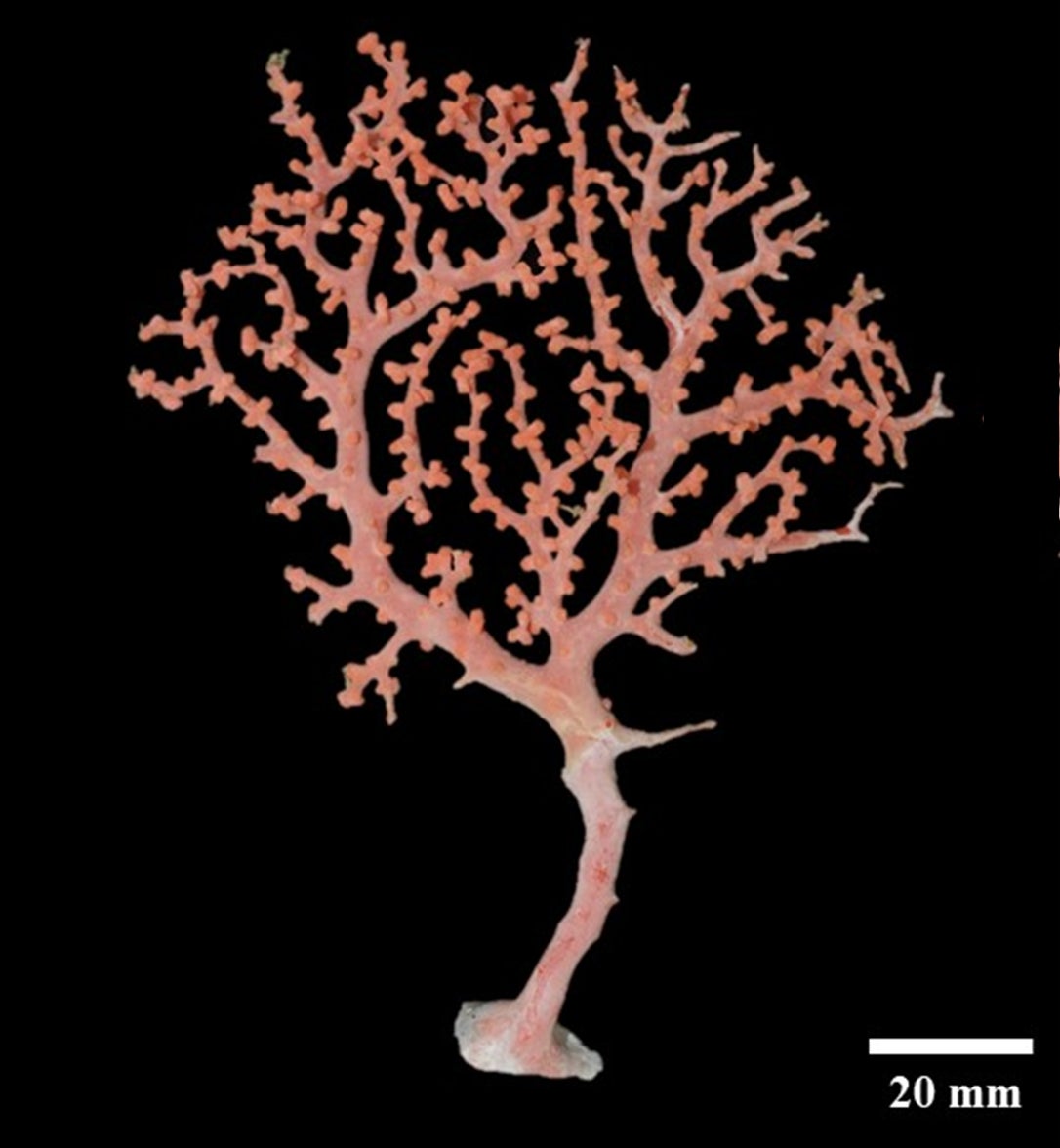
ウスエダミドリイシの産卵の様子。水面に鮮やかなピンク色のバンドル(卵と精子のカプセル)が広がる。
<関連情報>
- https://www.aori.u-tokyo.ac.jp/research/news/2025/20250805.html
- https://www.aori.u-tokyo.ac.jp/research/news/2025/files/20250805_summary.pdf
- https://onlinelibrary.wiley.com/doi/10.1111/mec.70054
アクロポラ・テニウスにおける時系列RNA-Seq解析は、石灰質サンゴの同期大量産卵に至る分子レベルの波動を明らかにした Time-Series RNA-Seq of Acropora tenuis Reveals Molecular Waves Leading to Synchronous Mass Spawning of Scleractinian Corals
Yuki Yoshioka, Go Suzuki, Yuji Fujikura, Satokuni Tashiro, Taiga Uchida, Eiichi Shoguchi, Noriyuki Satoh, Chuya Shinzato
Molecular Ecology Published: 05 August 2025
DOI:https://doi.org/10.1111/mec.70054
ABSTRACT
Although mass, synchronised spawning of scleractinian corals is a well-known phenomenon, its underlying molecular mechanisms, especially those that achieve synchronous release of gametes, are still unknown. In the genus Acropora, the dominant scleractinian coral in shallow reefs, spawning timing is synchronised in any given location, but often varies among locations. Here, we report gene expression cascades potentially driving synchronous mass spawning, revealed through transcriptome monitoring of Acropora tenuis, tracking both daily and monthly dynamics during a year-long experiment that included two spawning events. We identified 236 genes in four waves of molecular events that culminated in spawning. First, receptor function and prostaglandin secretion became active 2 weeks before spawning and gradually decreased, but remained elevated until spawning, suggesting communication of maturation among colonies. Second, 1–2 weeks before spawning, TGF-β signalling and spermiogenesis involving kinases were activated. Third, sperm capacitation and preparation of egg-sperm bundle material commenced a week before spawning. Finally, activation of transcription factor ELF1 triggered a signal cascade that induced spawning. This moonlight-independent system may serve to fine-tune the timing of spawning and may explain the broad geographic distribution and ecological success of Acropora, making it the most diverse and abundant genus of scleractinian corals in reef ecosystems.