2025-12-26 九州大学
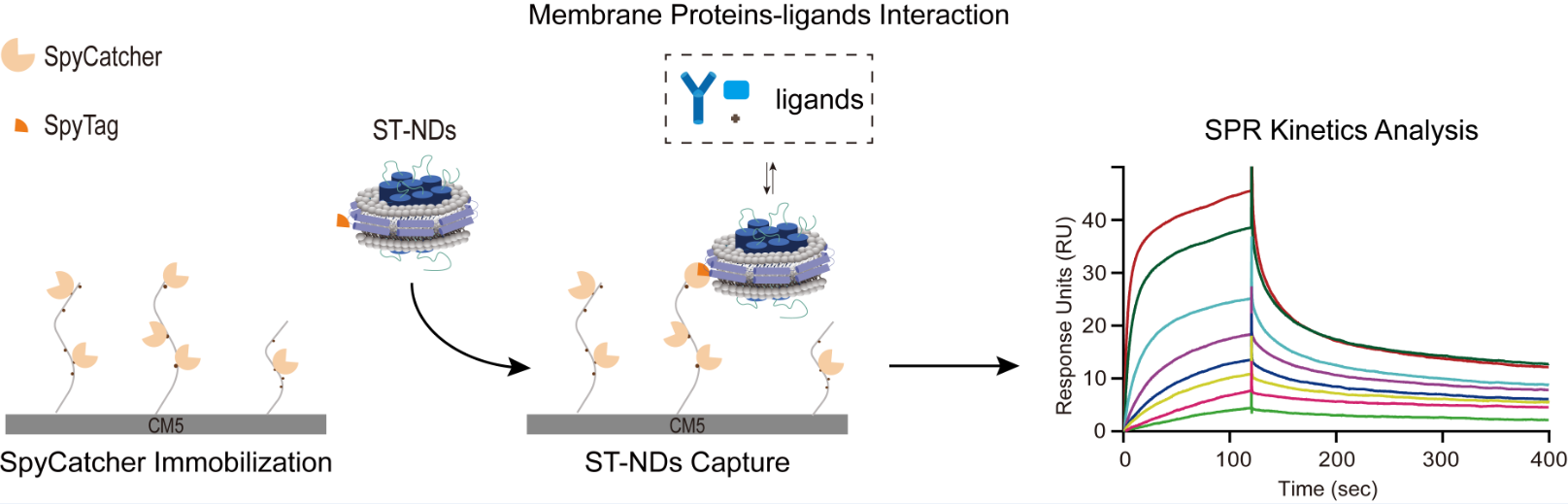
図1 プラズマローゲン生産性細菌とその合成、プラズマローゲンの機能
<関連情報>
- https://www.kyushu-u.ac.jp/ja/researches/view/1388
- https://www.kyushu-u.ac.jp/f/64317/25_1226_01.pdf
- https://journals.asm.org/doi/10.1128/aem.00940-25
通性嫌気性細菌におけるプラズマローゲン生産と嫌気性細菌由来プラズマローゲン合成酵素遺伝子を発現する組み換え大腸菌における好気的合成の特性評価 Characterization of plasmalogen production in facultative anaerobic bacteria and aerobic synthesis in recombinant Escherichia coli expressing anaerobic bacterium-derived plasmalogen synthase genes
Rei Irimajiri, Meimi Kuwabara, Yohei Ishibashi, Sakurako Ano, Yasuhiro Fujino, Masanori Honsho, Katsuya Fukami, Shiro Mawatari, Takehiko Fujino, Katsumi Doi
Applied and Environmental Microbiology Published:22 December 2025
DOI:https://doi.org/10.1128/aem.00940-25
ABSTRACT
Plasmalogens are glycerophospholipids with vital physiological functions, conferring antioxidant properties and contributing to membrane stabilization. While plasmalogen synthase genes plsA and plsR were identified in the obligate anaerobic bacterium Clostridium perfringens, plasmalogen production has not been reported in facultative anaerobes, in which a single gene commonly encodes plsA. To establish a cost-effective microbial plasmalogen production system, we screened 38 lactic acid bacterial strains and identified 11 plasmalogen producers, with Enterococcus faecalis K-4 exhibiting the highest productivity. Optimization of culture conditions, including the substitution of glucose with lactose and the addition of soy-derived peptides, increased plasmalogen production by 1.5-fold. Heterologous expression of plasmalogen synthesis genes from E. faecalis K-4, Lactococcus cremoris ATCC BAA-493, C. perfringens HN13, and Bifidobacterium longum in Escherichia coli BL21(DE3) confirmed plasmalogen biosynthesis in all strains. Recombinant PlsA from facultative anaerobic L. cremoris ATCC BAA-493 exhibited superior oxygen tolerance, enabling high plasmalogen production under aerobic conditions. Structural analysis via liquid chromatography-tandem mass spectrometry revealed consistent plasmalogen species (PE-Pls 16:0/17:0CP, 16:0/19:0CP, and 19:0/17:0CP) across strains and conditions. Plasmalogen-producing E. coli recombinants demonstrated enhanced oxidative and osmotic stress resistance, with plasmalogen-expressing cells exhibiting significantly reduced reactive oxygen species accumulation and improved growth in 1.0 M NaCl. Structural modeling using AlphaFold3 indicated that the C-terminal α-helix of L. cremoris PlsA contributes to its oxygen tolerance. These findings highlight the potential of facultative anaerobic bacteria, particularly L. cremoris ATCC BAA-493, for scalable plasmalogen production and underscore the functional benefits of plasmalogens in enhancing stress resilience.