2026-01-05 ユニバーシティ・カレッジ・ロンドン(UCL)
<関連情報>
- https://www.ucl.ac.uk/news/2026/jan/pint-plate-scientists-brew-new-way-grow-meat
- https://www.frontiersin.org/journals/nutrition/articles/10.3389/fnut.2025.1656960/full
醸造廃棄物由来のバクテリアセルロース足場を培養肉に応用
Bacterial cellulose scaffolds derived from brewing waste for cultivated meat applications
Christian Harrison,Elif Gokoglan,Richard M. Day
Frontiers in Nutrition Published:19 September 2025
DOI:https://doi.org/10.3389/fnut.2025.1656960
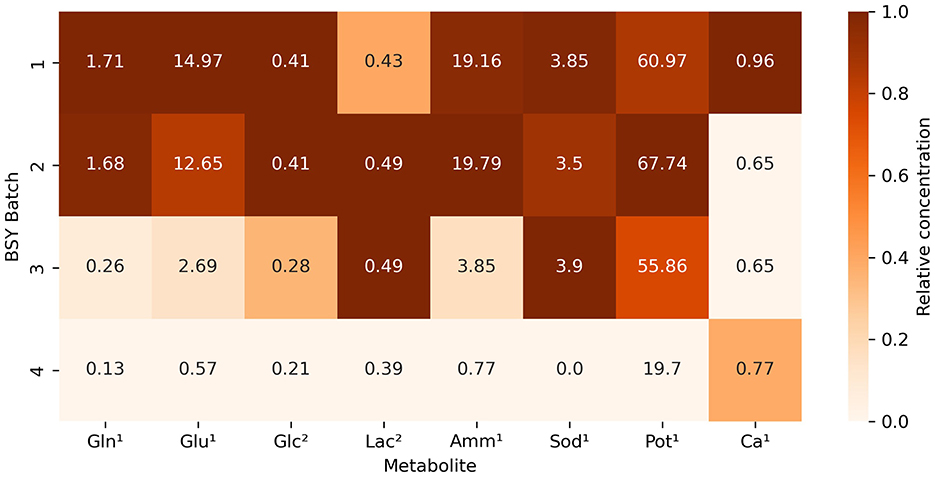
Introduction: The negative externalities of conventional meat production are driving a search for sustainable alternative proteins. Cultivated meat (CM) is one such alternative, but its development is constrained by the need for sustainable, edible, and low-cost cellular scaffolds that can replicate animal tissue texture and structure. Bacterial cellulose (BC) derived from brewer’s spent yeast (BSY) could provide a scalable and affordable scaffold material for structured CM products.
Methods: The composition of BSY and its ability to support BC growth were assessed through metabolic analysis and growth trials. Properties relevant to CM applications of BSY-derived BC were then investigated. Scanning electron microscopy was used to quantify surface porosity. Mechanical properties were measured using texture profile analysis. Thermal and chemical properties were assessed using differential scanning calorimetry and Fourier-transform infrared spectroscopy, and biocompatibility was evaluated through cell attachment assays.
Results: BSY supported BC production, yielding material with structural, thermal, and textural properties comparable to BC grown on conventional media and similar to conventional meat products. BSY-derived BC also supported L929 fibroblasts, with 35.9% ± 2.5% cell attachment after 24 h and evidence of continued proliferation.
Discussion: These findings demonstrate that BSY can be effectively valorized to produce BC scaffolds for CM. This approach offers a cost-effective and sustainable strategy to improve the scalability of cultivated meat, contributing to future sustainable food production.