2026-05-15 イリノイ大学アーバナ・シャンペーン校
<関連情報>
- https://aces.illinois.edu/news/nature-may-benefit-psychological-well-being-disadvantaged-children-more-others
- https://www.frontiersin.org/journals/psychology/articles/10.3389/fpsyg.2026.1731222/full
自然は養育である:子どもの心理的健康に対する等遺伝子介入としての自然体験に関する概観レビュー Nature is nurture: a scoping review of nature exposure as an equigenic intervention on children’s psychological health
Keira I. Denker,Andrea Faber Taylor
Frontiers in Psychology Published:10 April 2026
DOI:https://doi.org/10.3389/fpsyg.2026.1731222
Abstract
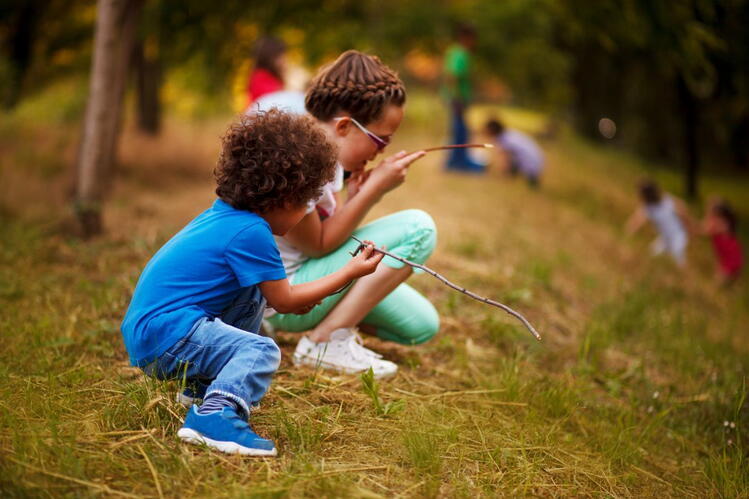
Research indicates that exposure to nature has positive effects on the mental health and psychological development of children. Children from less advantaged groups are in particular need of support in these domains, often experiencing poorer mental health and delays in psychological development. Thus, recent research has begun exploring the potential for nature experiences to have an “equigenic effect” on children’s psychological health, boosting disadvantaged groups to achieve outcomes similar to advantaged groups. This scoping review presents a light review of the literature examining equigenic effects of nature exposure on health in adults and children and a deeper analysis of studies focused on children’s mental health and psychological development. A search was conducted in EBSCO, PubMed, and Scopus, and a total of 123 empirical articles were included in the review after screening. The results reveal a growing body of evidence of an equigenic effect of nature exposure for adults and children; fewer studies, however, have focused on children. Among 24 studies comparing disadvantaged to advantaged children (ages 0–18), 19 of them demonstrated at least one positive finding in support of equigenesis, but there were also mixed findings. Themes in the literature regarding nature exposure and possible mechanisms underlying the potential equigenic relationship between nature exposure and children’s psychological health are explored. Future research suggestions and implications for increasing nature exposure in children’s lives through daily routines, nature-based learning, and improving equitable access are also discussed. This review presents evidence that exposure to nature may be an effective intervention to specifically support children living with disadvantage, promoting greater equity in psychological well-being.